
Last Updated on May 14, 2026 by Michael R. Barthelmess
The best Peru itinerary for first-time visitors usually includes Lima, Cusco, the Sacred Valley, and Machu Picchu. With 7 days, you can experience Peru’s classic highlights. With 10 days, you can travel at a better pace and add more time in Cusco or the Sacred Valley. With 14 days, you can include another major region such as Lake Titicaca, Arequipa, Colca Canyon, the Amazon, or Paracas.
For most travelers, 10 days is the ideal first Peru trip. It gives you enough time to enjoy Lima, acclimate in the Sacred Valley, visit Machu Picchu properly, and explore Cusco without rushing from place to place.
Peru is one of South America’s most rewarding destinations, but it is not a country you should plan only by looking at a map. Altitude, train schedules, domestic flights, Machu Picchu entry times, and regional weather all affect how your trip should be organized. A well-designed itinerary makes the difference between a rushed checklist and a smooth, memorable vacation.
Quick Answer: What Is the Best Peru Itinerary for a First Trip?
For a first-time visitor, the best Peru itinerary is:
Lima → Cusco → Sacred Valley → Machu Picchu → Cusco → Lima
This route works because most international travelers arrive in Lima, then fly to Cusco, continue into the Sacred Valley, visit Machu Picchu by train, and return to Cusco before flying back to Lima.
A more altitude-friendly version is:
Lima → Cusco Airport → Sacred Valley → Machu Picchu → Cusco → Lima
This works especially well because the Sacred Valley is lower than Cusco, making it a more comfortable place to begin your time in the Andes.
Both options are great and fit into the number of days the average traveler expects to spend in Peru. In 7 days you’ll get to see the capital city and experience the culinary wonders it offers. Then you’re off to the highlands to explore Cusco and the Sacred Valley before finally hiking the Machu Picchu ruins.
How Many Days Do You Need for a First Peru Trip?
You need at least 7 days for a first Peru trip if your goal is to see Lima, Cusco, the Sacred Valley, and Machu Picchu. However, 10 days is better because it gives you more time to adjust to altitude, enjoy the Sacred Valley, and experience Cusco without overloading the schedule.
Here is the best way to think about your trip length:
| Trip Length | Best For |
|---|---|
| 7 days | Classic Peru highlights: Lima, Sacred Valley, Machu Picchu, Cusco |
| 10 days | Better-paced first trip with more time in Cusco and the Sacred Valley |
| 14 days | Classic Peru plus Lake Titicaca, Arequipa, Colca Canyon, Amazon, or Paracas |
If you are traveling from the United States, Canada, Europe, or Australia, a 10- to 14-day itinerary is usually worthwhile due to the international flight time and the number of logistics involved. Some travelers take 10-20-hour flights from different parts of the world with various stops before reaching their Peruvian destination. It makes sense to spend 10 – 14 days and see as much as possible if you fall under this category.
Before You Choose an Itinerary: Important Peru Planning Notes
As we all know, not everyone has two weeks to travel. Everyone has different schedules, so before deciding between 7, 10, or 14 days, keep these points in mind.
Machu Picchu Requires Advance Planning
Machu Picchu visits are organized by official circuits and timed entry routes. Peru’s official Machu Picchu site explains that the current system includes 3 circuits and 10 routes, which came into effect on June 1, 2024. The most popular circuit tends to be circuit 2 so if you are looking for the most complete option make sure you are booking your Peru trip at least 4-5 months in advance.
This means you should not treat Machu Picchu like a flexible day trip that can be arranged at the last minute. Your ticket type affects what part of the site you can visit, where you can take photos, and how your guide structures the tour. Official online ticket sales are handled through Peru’s cultural visit platform.
If you want to know what the difference is regarding Machu Picchu circuits, we have a very comprehensive article you can read: Machu Picchu circuits
Altitude Matters
Cusco is high in the Andes, and many travelers feel the altitude when they arrive. A common mistake is flying from Lima to Cusco and immediately scheduling a full day of touring. A better approach is to keep the first day light or continue to the Sacred Valley, which is generally lower and more comfortable for many travelers. This, however, isn’t always possible, so if you do end up staying in Cusco for the first few nights you’ll have to make sure to take it as easy as possible.
Peru Has Several Different Climates
Peru includes coastal desert, high mountains, cloud forest, and Amazon rainforest. You may need a light jacket in Cusco, sun protection in the Sacred Valley, rain gear for Machu Picchu, and warm-weather clothing for the Amazon or Lima depending on the season.
Domestic Flights Save Time
For first-time visitors, domestic flights are usually the best way to connect Lima with Cusco, Arequipa, Juliaca, Puerto Maldonado, or Iquitos. Long-distance buses can be useful for some routes, but they require more time.
7-Day Peru Itinerary for First-Time Visitors
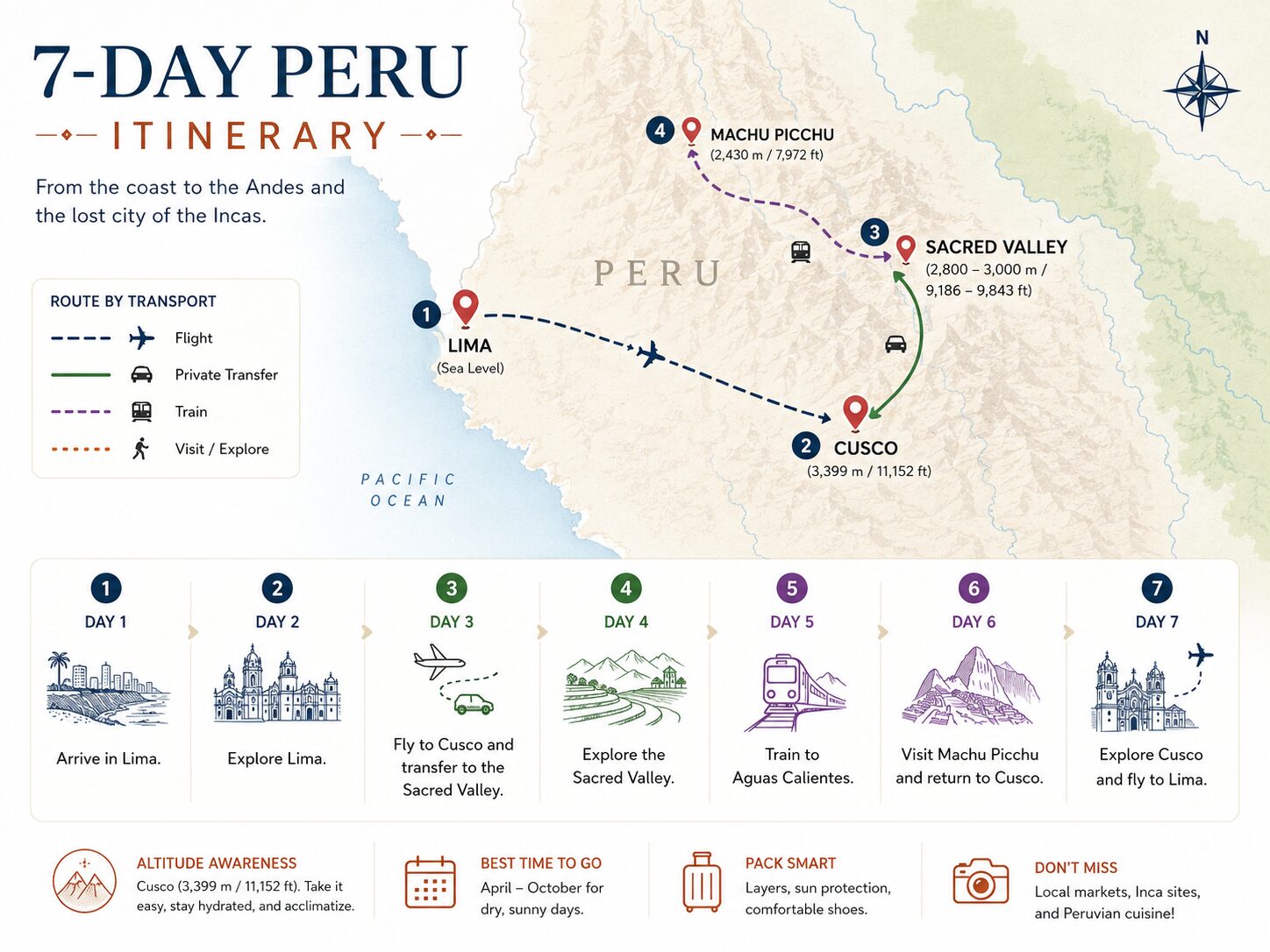
A 7-day Peru itinerary is best for travelers who want the essential highlights: Lima, Cusco, the Sacred Valley, and Machu Picchu. This is the shortest trip length I would recommend for a first visit. There are also 5-day itineraries but I only recommend it if you don’t plan on spending any time in Lima.
This itinerary works well for travelers who want:
- Machu Picchu
- A short time in Lima
- A taste of Cusco and the Sacred Valley
- A manageable one-week vacation
- A focused trip without too many regions
7-Day Peru Itinerary Overview
| Day | Destination | Main Experience |
|---|---|---|
| Day 1 | Lima | Arrival and overnight |
| Day 2 | Lima | City tour, food, museums, or coastal neighborhoods |
| Day 3 | Cusco / Sacred Valley | Fly to Cusco and transfer to the Sacred Valley |
| Day 4 | Sacred Valley | Pisac, Ollantaytambo, Maras, Moray, or Chinchero |
| Day 5 | Machu Picchu Pueblo | Train to Aguas Calientes |
| Day 6 | Machu Picchu / Cusco | Guided Machu Picchu visit and return to Cusco |
| Day 7 | Cusco / Lima | Cusco morning and flight back to Lima |
Day 1: Arrive in Lima
Most international flights arrive in Lima, Peru’s capital. For a first night, stay in Miraflores, Barranco, or San Isidro. These areas are popular with travelers because they offer good hotels, restaurants, ocean views, and easy access to Lima’s main visitor areas.
Keep the first day simple. After a long international flight, you do not need to do much more than check in, take a short walk, and enjoy dinner.
Day 2: Explore Lima
Use your first full day to experience Lima before heading to the Andes. You can visit the historic center, the Larco Museum, Barranco, Miraflores, or the coastal cliffs overlooking the Pacific Ocean.
Lima is also one of the best food cities in Latin America, so this is a good place to include a food tour, ceviche lunch, or a special dinner. If you are looking forward to visiting any of the restaurants on the top 50 list like Central, Maido or Merito restaurant, make sure to secure reservations ahead of time.
Good options for this day include:
- Historic Lima city tour
- Larco Museum
- Barranco walking tour
- Miraflores coastal walk
- Peruvian food experience
Day 3: Fly to Cusco and Transfer to the Sacred Valley
Fly from Lima to Cusco in the morning. Instead of staying in Cusco immediately, many first-time travelers do better by continuing directly to the Sacred Valley.
This route is especially useful because the Sacred Valley is lower than Cusco and gives your body a gentler introduction to the Andes. It also places you closer to Ollantaytambo, where many travelers board the train to Machu Picchu.
Day 4: Explore the Sacred Valley
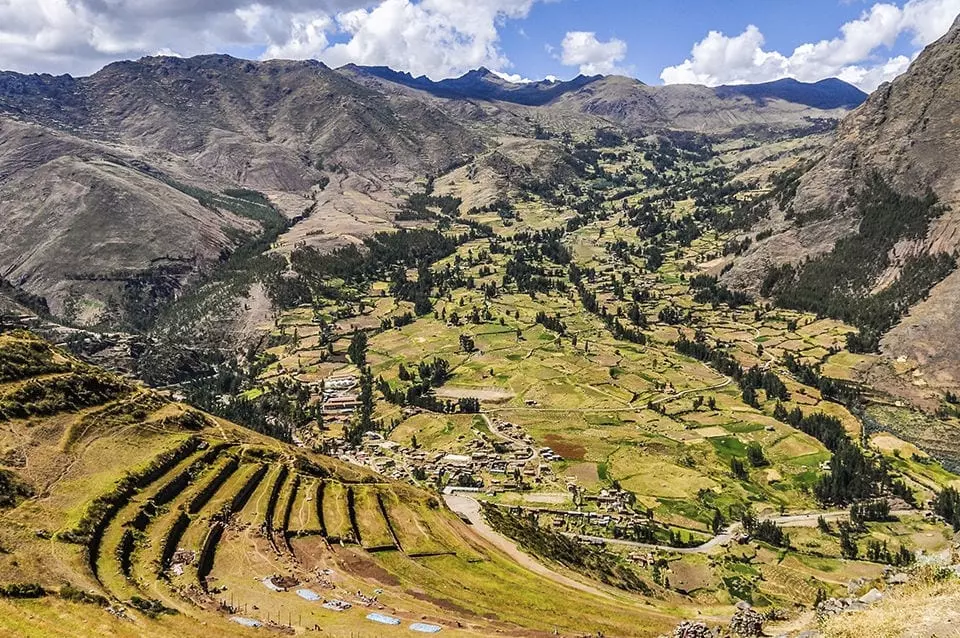
The Sacred Valley is one of the most important regions in a first Peru itinerary. It combines Inca history, mountain scenery, traditional towns, markets, and excellent hotels.
Popular stops include:
- Pisac ruins and market
- Ollantaytambo fortress
- Chinchero
- Maras salt mines
- Moray agricultural terraces
The one-day Sacred Valley tour covers all of these locations in an 8:00 am to 6:00 pm schedule and it can be done in a group or private setting.
Day 5: Train to Machu Picchu Pueblo
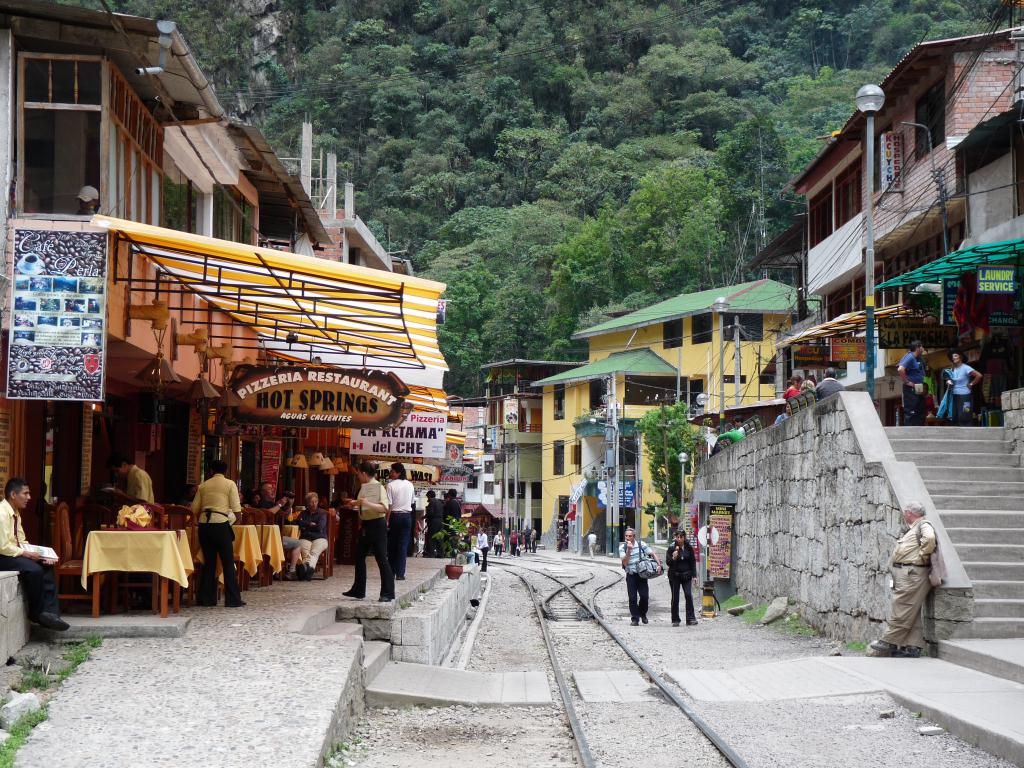
Travel by train from the Sacred Valley to Aguas Calientes, also known as Machu Picchu Pueblo. This small town sits below Machu Picchu and is the main base for visiting the archaeological site.
Depending on ticket availability and your preferred pace, you can either visit Machu Picchu in the afternoon or stay overnight and visit the next morning. For most first-time visitors, staying overnight creates a smoother experience.
Day 6: Visit Machu Picchu and Return to Cusco
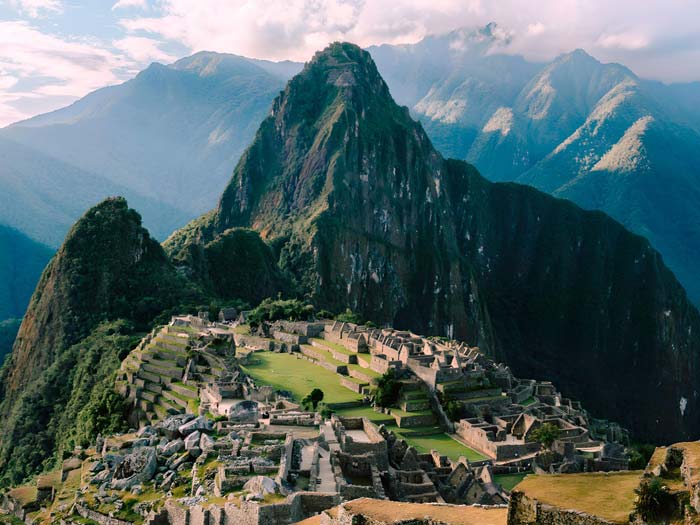
This is the highlight of the itinerary. Visit Machu Picchu with a guide, then return by bus to Aguas Calientes, train back to the Sacred Valley area, and continue to Cusco.
Because Machu Picchu uses timed entry and circuit-based routes, your experience depends on the ticket you book. The current official system includes 3 circuits and 10 routes, so planning ahead is essential if you want a specific view or route.
Day 7: Cusco and Departure
Spend your final morning in Cusco. Depending on your flight time, you can visit the Plaza de Armas, San Pedro Market, Koricancha, San Blas, or nearby ruins.
Then fly back to Lima for your international connection.
Who Is the 7-Day Peru Itinerary Best For?
The 7-day itinerary is best if you have limited vacation time and want to focus on the classic route. It is not ideal if you want to add Lake Titicaca, the Amazon, Arequipa, Colca Canyon, or Paracas since each of those destinations would add 2-3 days to the program.
Choose this itinerary if:
- You only have one week to spend in Peru
- Machu Picchu is your main priority
- You want a simple first Peru trip
- You prefer fewer hotel changes
- You do not mind a fairly active pace
10-Day Peru Itinerary for First-Time Visitors
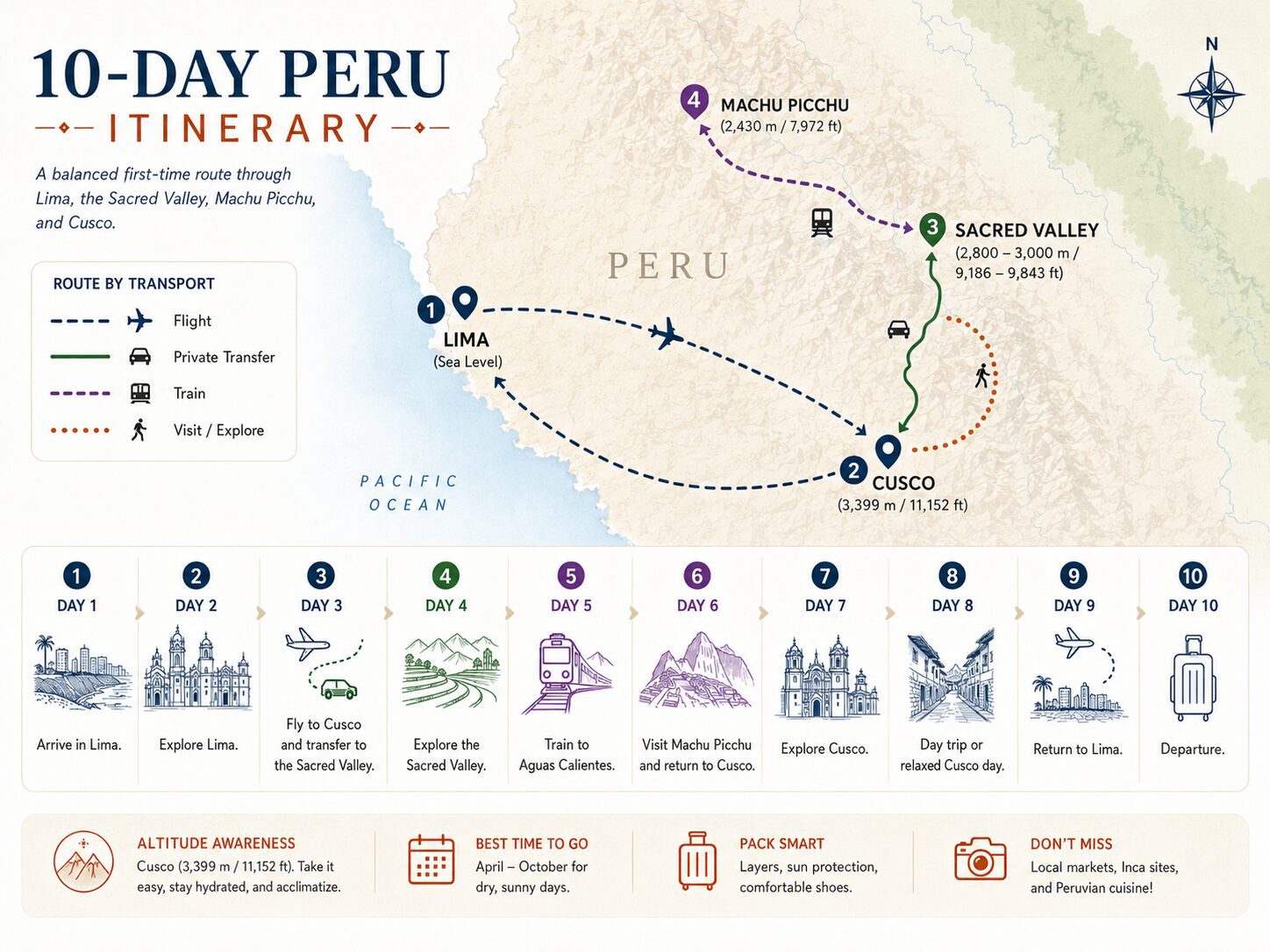
A 10-day Peru itinerary is the best option for most first-time travelers. It includes the classic highlights but gives you more breathing room.
With 10 days, you can spend more time in Cusco, add another Sacred Valley experience, include Rainbow Mountain or Humantay Lake, or simply travel at a more comfortable pace.
10-Day Peru Itinerary Overview
| Day | Destination | Main Experience |
|---|---|---|
| Day 1 | Lima | Arrival |
| Day 2 | Lima | City, food, museums, or coastal neighborhoods |
| Day 3 | Cusco / Sacred Valley | Fly to Cusco and transfer to Sacred Valley |
| Day 4 | Sacred Valley | Full-day Sacred Valley tour |
| Day 5 | Machu Picchu Pueblo | Train to Aguas Calientes |
| Day 6 | Machu Picchu / Cusco | Machu Picchu guided visit and return to Cusco |
| Day 7 | Cusco | Cusco city and nearby ruins |
| Day 8 | Cusco | Rainbow Mountain, Humantay Lake, or relaxed cultural day |
| Day 9 | Cusco or Lima | Extra Cusco day or return to Lima |
| Day 10 | Lima | Departure |
Day 1: Arrive in Lima
Arrive in Lima and settle into your hotel. If your flight arrives early, enjoy a relaxed dinner in Miraflores, Barranco, or San Isidro.
Day 2: Lima City and Food Experience
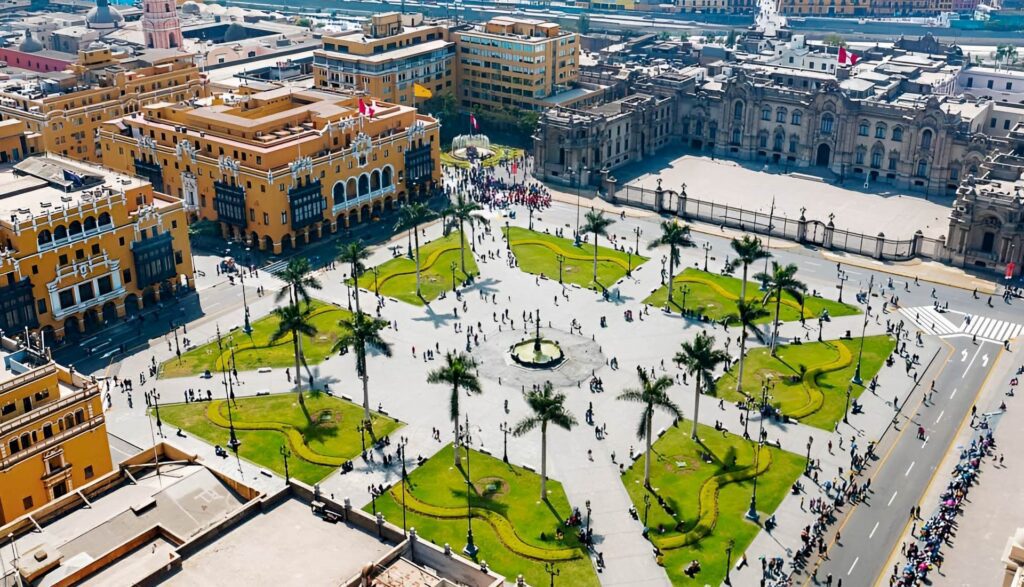
Use your first full day to see Lima properly. A good Lima day might include the historic center, Larco Museum, Barranco, and a food-focused experience.
For travelers who enjoy gastronomy, Lima is not just a transit stop. It is an important part of the Peru experience.
Day 3: Fly to Cusco and Continue to the Sacred Valley
Fly to Cusco and transfer to the Sacred Valley. Keep the day light so you can adjust to the altitude accordingly. If your objective is to get out and explore than I suggest staying in Cusco instead of heading to the valley.
Day 4: Full-Day Sacred Valley Tour
With 10 days, you can give the Sacred Valley the time it deserves. Visit Ollantaytambo, Pisac, Maras, Moray, or Chinchero.
This is also a good day for travelers interested in photography, textiles, local markets, and Inca engineering.
Day 5: Train to Machu Picchu Pueblo
Take the train toward Machu Picchu. If you want a more relaxed experience, arrive in Aguas Calientes in the afternoon and stay overnight before visiting Machu Picchu the next morning.
This helps avoid an extremely long day and gives you more flexibility around train schedules.
Day 6: Visit Machu Picchu and Return to Cusco
Visit Machu Picchu with a private or shared guide, then return to Cusco.
For many travelers, the best ticket choice is the one that provides the classic experience of the citadel. However, ticket availability and route rules change, so this should be planned carefully before confirming the final itinerary. Peru’s official Machu Picchu information explains the current circuit structure and route options.
Day 7: Explore Cusco
Spend the day exploring Cusco. This is one of Peru’s most atmospheric cities, with Inca walls, colonial churches, markets, museums, restaurants, and nearby archaeological sites.
Recommended experiences include:
- Plaza de Armas
- Koricancha
- San Pedro Market
- San Blas
- Sacsayhuaman
- Qenqo, Puka Pukara, and Tambomachay
This day is important because many rushed itineraries do not give Cusco enough time.
Day 8: Choose a Day Trip or Cultural Experience
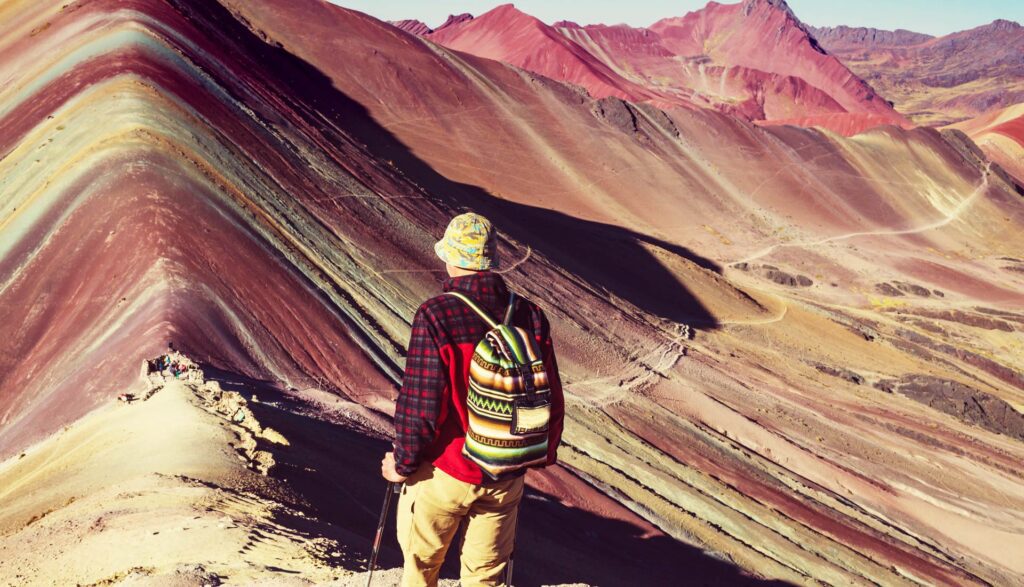
On Day 8, choose the experience that best matches your travel style.
Option 1: Rainbow Mountain
Rainbow Mountain is popular but high altitude and physically demanding for some travelers. It is best scheduled after you have already spent time acclimatizing in Cusco and the Sacred Valley.
Option 2: Humantay Lake
Humantay Lake is another scenic high-altitude day trip. It is beautiful, but it also requires an early start and a hike.
Option 3: Relaxed Cusco Day
For many travelers, a slower day in Cusco is the better choice. You can visit museums, take a cooking class, explore San Blas, or enjoy a private walking tour.
Option 4: South Valley
The South Valley is less crowded than the Sacred Valley and includes places such as Tipon, Pikillacta, and Andahuaylillas.
Day 9: Extra Cusco Day or Return to Lima
Use this day based on your flight schedule and interests. You can spend another night in Cusco or return to Lima for a final evening before your international flight.
If your international flight leaves early the next day, returning to Lima on Day 9 is usually safer.
Day 10: Departure from Lima
Depart Peru, or continue with an extension to the Amazon, Lake Titicaca, Arequipa, Colca Canyon, or another South America destination.
Who Is the 10-Day Peru Itinerary Best For?
The 10-day itinerary is the best choice for most first-time visitors.
Choose this itinerary if:
- You want the classic Peru highlights
- You do not want to feel rushed
- You want more time to acclimate
- You are interested in Cusco beyond Machu Picchu
- You may want one adventure day trip
- You want a good balance of comfort and discovery
14-Day Peru Itinerary for First-Time Visitors
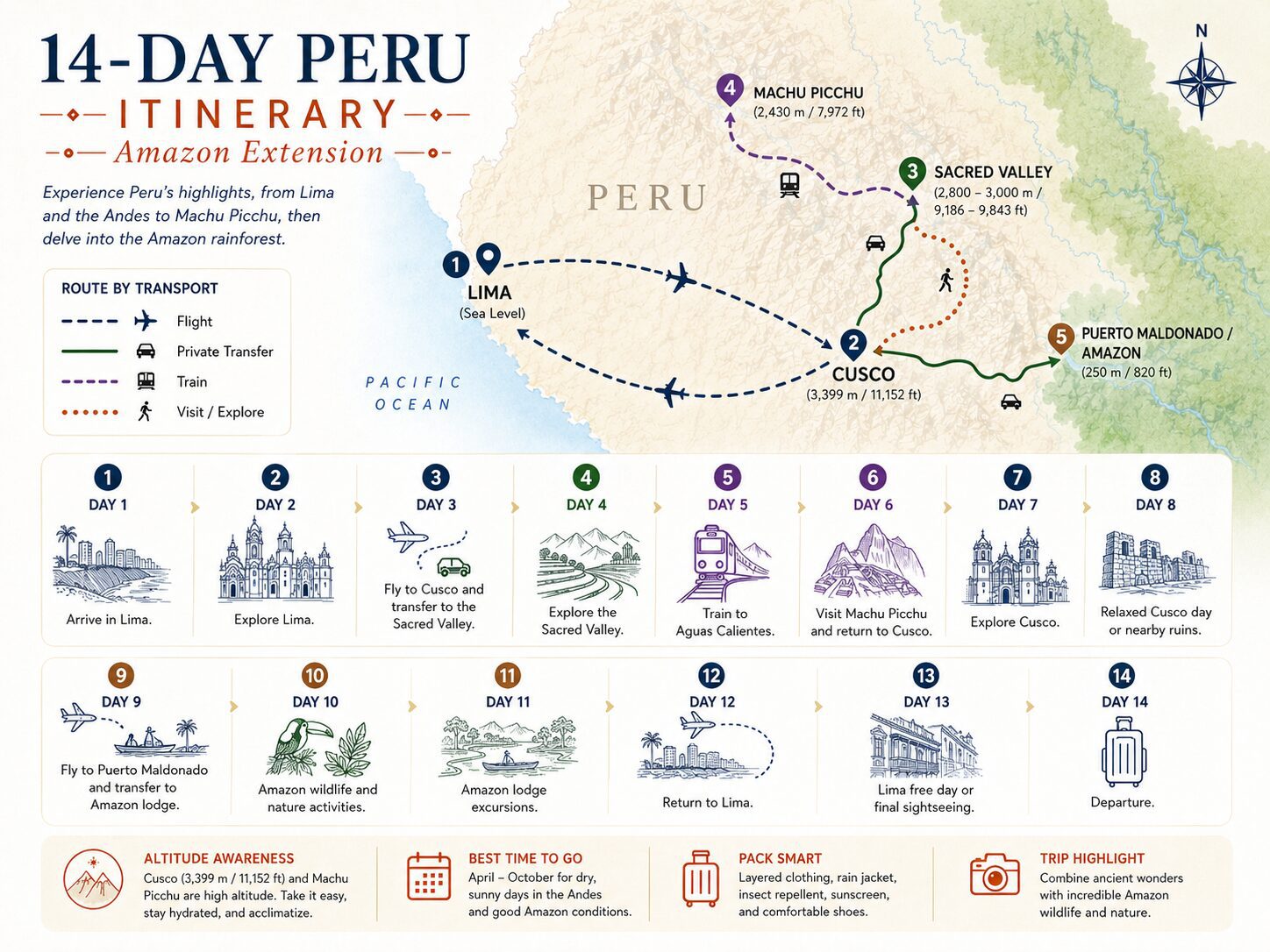
A 14-day Peru itinerary allows you to experience the classic route plus another major region. This is the best option if you want a richer, more complete introduction to Peru.
The most common 14-day additions are:
- Arequipa and Colca Canyon
- Lake Titicaca
- Amazon rainforest
- Paracas, Huacachina, and Nazca
- Extra time in Lima, Cusco, and the Sacred Valley
14-Day Peru Itinerary Option 1: Classic Peru with Arequipa and Colca Canyon
This is one of the best two-week itineraries for first-time visitors because it adds colonial architecture, volcano scenery, canyon landscapes, and condors.
| Day | Destination | Main Experience |
|---|---|---|
| Day 1 | Lima | Arrival |
| Day 2 | Lima | City and food experience |
| Day 3 | Arequipa | Fly to Arequipa |
| Day 4 | Arequipa | City tour and food |
| Day 5 | Colca Canyon | Travel to Colca Canyon |
| Day 6 | Colca Canyon / Puno or Arequipa | Condor viewpoint and onward travel |
| Day 7 | Cusco / Sacred Valley | Fly or travel to Cusco region |
| Day 8 | Sacred Valley | Sacred Valley tour |
| Day 9 | Machu Picchu Pueblo | Train to Aguas Calientes |
| Day 10 | Machu Picchu / Cusco | Visit Machu Picchu and return to Cusco |
| Day 11 | Cusco | City and nearby ruins |
| Day 12 | Cusco | Optional day trip or relaxed day |
| Day 13 | Lima | Return to Lima |
| Day 14 | Lima | Departure |
This route works well for travelers who want culture, landscapes, food, and a strong sense of southern Peru. There are other routes as well though.
14-Day Peru Itinerary Option 2: Classic Peru with Lake Titicaca
Lake Titicaca works well for travelers interested in traditional Andean culture, island communities, and high-altitude landscapes.
Suggested route:
- Lima
- Arequipa or Cusco
- Lake Titicaca
- Sacred Valley
- Machu Picchu
- Cusco
- Lima
Lake Titicaca is higher than Cusco, so it should not be your first high-altitude stop unless the itinerary is carefully planned. The result can be disastrous. Remember to listen to your travel advisor when they make destination suggestions with altitude progression in mind.
14-Day Peru Itinerary Option 3: Classic Peru with the Amazon
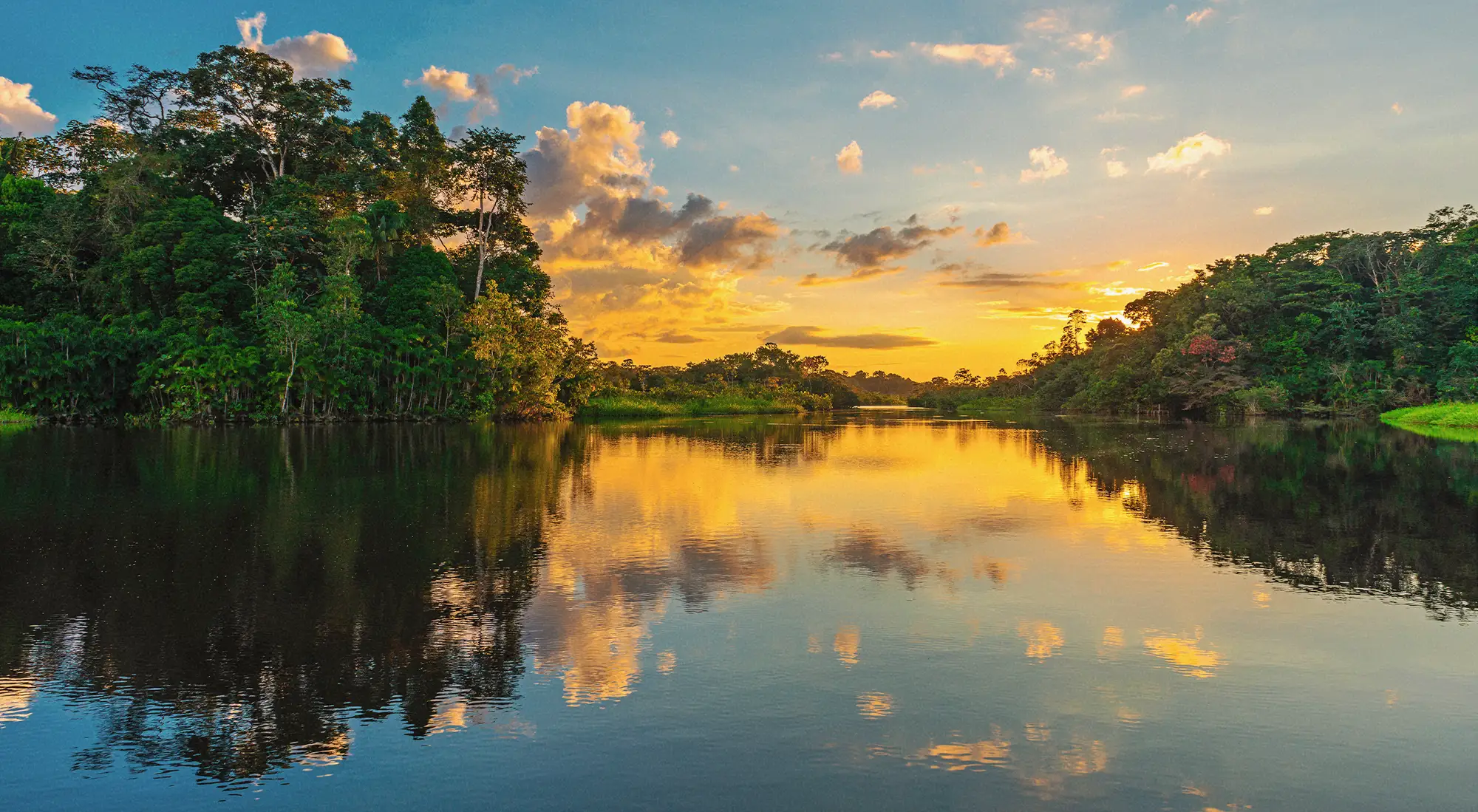
This is a strong itinerary for travelers who want both Andes and rainforest. The Amazon is usually best with at least 3 days, although 4 days is better. This round tends to be rather popular with the Amazon being one of the major highlights of a 14-day Peru vacation package.
A good route is:
Lima → Sacred Valley → Machu Picchu → Cusco → Puerto Maldonado → Lima
Puerto Maldonado is often easier to combine with Cusco than Iquitos, especially for a first Peru trip. Iquitos can be excellent for river cruises, but it usually requires more flight logistics.
14-Day Peru Itinerary Option 4: Classic Peru with Paracas and Nazca

This route works well for travelers who want to include Peru’s coast and desert landscapes. This would include time in the Huacachina Oasis and a boat tour to the Ballestas Islands.
A possible route is:
Lima → Paracas → Huacachina → Nazca → Lima → Cusco → Sacred Valley → Machu Picchu → Cusco
This itinerary is good for travelers interested in wildlife, desert scenery, sand dunes, and the Nazca Lines.
Which 14-Day Peru Itinerary Should You Choose?
Choose Arequipa and Colca Canyon if you want architecture, food, volcanoes, and dramatic landscapes.
Choose Lake Titicaca if you are interested in traditional Andean communities and high-altitude culture.
Choose the Amazon if you want nature, wildlife, lodges, and rainforest experiences.
Choose Paracas and Nazca if you want coast, desert, wildlife, and a very different side of Peru.
Best Peru Itinerary by Travel Style
There are many types of travelers, from solo to couples and families that like to travel together. We also get many adventure travellers as well as luxury-oriented travellers. Each style has its own demands, but a good itinerary can be put together for anyone.
Best Peru Itinerary for Couples
For couples, the best Peru itinerary is usually:
Lima → Sacred Valley → Machu Picchu → Cusco
Add the Amazon or Lake Titicaca if you have 12 to 14 days. For a more romantic experience, include boutique hotels, private transfers, a scenic train to Machu Picchu, and a slower pace in the Sacred Valley.
Best Peru Itinerary for Families
For families, avoid moving too quickly. The best route is:
Lima → Sacred Valley → Machu Picchu → Cusco → Lima
The Sacred Valley is especially useful for families because it is scenic, calmer than Cusco, and usually more comfortable for altitude adjustment.
Best Peru Itinerary for Luxury Travelers
A luxury Peru itinerary should focus on comfort, pacing, and private service.
Best route:
Lima → Sacred Valley → Machu Picchu → Cusco → Amazon or Lake Titicaca
The luxury-oriented travel package should include private guides, premium hotels (5 stars), flexible transfers, and upgraded train service where possible.
Best Peru Itinerary for Adventure Travelers
Adventure travelers may want:
- Inca Trail
- Salkantay Trek
- Rainbow Mountain
- Humantay Lake
- Colca Canyon
- Amazon lodges
However, these should not all be forced into one short trip. Choose the experiences that fit your fitness level, season, and available time.
Best Peru Itinerary for Older Travelers
Older travelers often do best with a private, slower itinerary:
Lima → Sacred Valley → Machu Picchu → Cusco → Lima
Avoid overly early starts, back-to-back hikes, and rushed transfer days. Choose hotels carefully and allow time to rest after altitude changes.
When Is the Best Time to Follow These Peru Itineraries?
For first-time visitors focused on Cusco, Machu Picchu, and the Sacred Valley, the best months are usually April, May, June, September, and October. These months often offer a good balance of weather and overall travel conditions.
The Andean dry season is generally better for Machu Picchu and highland travel, while the coast is sunnier during the Southern Hemisphere summer. The best month depends on which regions you include.
If your itinerary includes the Amazon, remember that rainforest travel is possible year-round, but conditions vary by water levels, rainfall, and lodge location.
Peru Entry Requirements for First-Time Visitors
Entry rules depend on your nationality, so travelers should always check official sources before departure. For U.S. citizens, the U.S. State Department currently lists a passport valid for six months at entry, one blank visa page, no tourist visa required for stays under 90 days, and no required vaccinations for entry.
Travelers may also be asked for proof of onward or return travel. Requirements can change, so check your airline and official government sources before your trip.
Should You Book a Peru Tour Package or Plan Independently?
You can plan Peru independently, but a well-designed Peru tour package can make the trip smoother, especially for first-time visitors.
A Peru tour package is useful if you want help with:
- Machu Picchu tickets and circuits
- Train tickets
- Private transfers
- Hotels
- Domestic flights
- Guides
- Altitude-aware routing
- Family or luxury travel details
- Multi-region itineraries
- On-trip support
Independent planning can work well for flexible travelers with time to research. A custom tour is usually better if you want the trip to feel organized, efficient, and professionally managed from arrival to departure.
For first-time visitors, the most important thing is not just choosing where to go. It is choosing the right order, pace, and logistics.
Common Mistakes to Avoid on a First Peru Itinerary
Avoid these common planning mistakes:
- Spending too little time in Peru
- Flying to Cusco and doing too much on arrival day
- Booking Machu Picchu tickets too late
- Choosing a Machu Picchu circuit without understanding the route
- Trying to add Lake Titicaca, Amazon, and Arequipa into one short trip
- Ignoring altitude
- Booking flights too close to train departures
- Treating Lima only as an airport stop
- Forgetting that Peru has several different climates
- Not leaving buffer time before international flights
Recommended First-Time Peru Itinerary
For most travelers, the best first-time Peru itinerary is the 10-day route:
Day 1: Arrive in Lima
Day 2: Explore Lima
Day 3: Fly to Cusco and transfer to the Sacred Valley
Day 4: Sacred Valley tour
Day 5: Train to Machu Picchu Pueblo
Day 6: Visit Machu Picchu and return to Cusco
Day 7: Explore Cusco
Day 8: Optional day trip or relaxed Cusco day
Day 9: Return to Lima
Day 10: Depart Peru
This itinerary is long enough to feel meaningful but not so long that it becomes complicated. It includes Peru’s most important first-trip highlights and gives you enough flexibility to travel comfortably.
Frequently Asked Questions About Peru Itineraries
What is the best Peru itinerary for first-time visitors?
The best Peru itinerary for first-time visitors is usually Lima, Cusco, the Sacred Valley, Machu Picchu, and Cusco. If you have 10 days, you can travel at a comfortable pace. If you have 14 days, you can add Arequipa, Colca Canyon, Lake Titicaca, the Amazon, or Paracas.
Is 7 days enough for Peru?
Seven days is enough for a focused first Peru trip with Lima, Cusco, the Sacred Valley, and Machu Picchu. It is not enough for a full-country itinerary. If you only have one week, focus on the classic route instead of trying to add too many extra destinations.
Is 10 days enough for Peru?
Yes. Ten days is one of the best trip lengths for a first visit to Peru. It gives you time to see Lima, the Sacred Valley, Machu Picchu, and Cusco without feeling as rushed as a 7-day itinerary.
Is 14 days too long for Peru?
No. Fourteen days is an excellent amount of time for Peru. With two weeks, you can visit the classic Machu Picchu route and add another region such as Arequipa, Colca Canyon, Lake Titicaca, the Amazon, or Paracas.
Should I go to Cusco or the Sacred Valley first?
Many travelers do better by going from Cusco airport directly to the Sacred Valley. The Sacred Valley is generally lower than Cusco and can be a more comfortable place to begin adjusting to altitude before visiting Machu Picchu and Cusco.
How many days do you need for Machu Picchu?
Most travelers need 2 days for a comfortable Machu Picchu experience: one day to travel by train to Aguas Calientes and one day to visit Machu Picchu before returning to Cusco or the Sacred Valley. A one-day trip is possible, but it is longer and more rushed.
Can you visit Machu Picchu as a day trip from Cusco?
Yes, but it makes for a long day. A better option for many first-time visitors is to spend one night in Aguas Calientes or plan Machu Picchu after staying in the Sacred Valley.
What is the best month to visit Peru?
For Machu Picchu, Cusco, and the Sacred Valley, the best months are often April, May, June, September, and October. These months are popular because they generally offer favorable conditions for Andean travel.
Should I add the Amazon to my first Peru trip?
The Amazon is a great addition if you have at least 12 to 14 days. For a shorter trip, focus on Lima, Cusco, the Sacred Valley, and Machu Picchu.
Should I book a private Peru itinerary?
A private Peru itinerary is a good idea if you want a smoother trip, better pacing, private guides, flexible transfers, and help managing Machu Picchu tickets, trains, hotels, and domestic flights.
Final Advice: Choose the Right Pace, Not Just the Right Places
The best Peru itinerary for first-time visitors is not the one that includes the most destinations. It is the one that gives each place enough time to feel meaningful.
If you have 7 days, focus on the essentials. If you have 10 days, enjoy the classic route at a better pace. If you have 14 days, add one major extension that matches your interests.
Peru rewards good planning. With the right itinerary, you can experience Lima’s food scene, the beauty of the Sacred Valley, the history of Cusco, and the unforgettable setting of Machu Picchu without feeling like you are rushing through one of South America’s most remarkable destinations.