
Last Updated on May 20, 2026 by Michael R. Barthelmess
Cusco to Machu Picchu: Train, Tour, Trek & Travel Tips
Getting from Cusco to Machu Picchu is one of the most important parts of planning a Peru trip. The route is not difficult, but it does involve several steps: transportation from Cusco to the train station, a train to Aguas Calientes, a bus up to the entrance of Machu Picchu, a timed entrance ticket, and often a return train and transfer later the same day. This leg of the trip is usually the most logistically sensitive part in a Peru tour package and takes careful planning to get right.
For most travelers, the best way to get from Cusco to Machu Picchu is the easiest route:
Cusco → Ollantaytambo → Aguas Calientes → Machu Picchu
This route works well because Ollantaytambo is the main train gateway in the Sacred Valley, Aguas Calientes is the town below Machu Picchu, and the final section to the citadel is completed by shuttle bus or, for some travelers, on foot.
A day trip from Cusco to Machu Picchu is possible, but it is long. For a smoother experience, many travelers do better by spending time in the Sacred Valley first or staying overnight in Aguas Calientes before visiting Machu Picchu.
The best option depends on your schedule, budget, travel style, train availability, Machu Picchu ticket time, and whether you want a quick visit or a more relaxed experience. In my opinion, the ideal visit to Machu Picchu is a two-day trip. One day is designated for traveling to Aguas Calientes and the second day to explore Machu Picchu at whichever schedule you choose.
How Do You Get From Cusco to Machu Picchu?
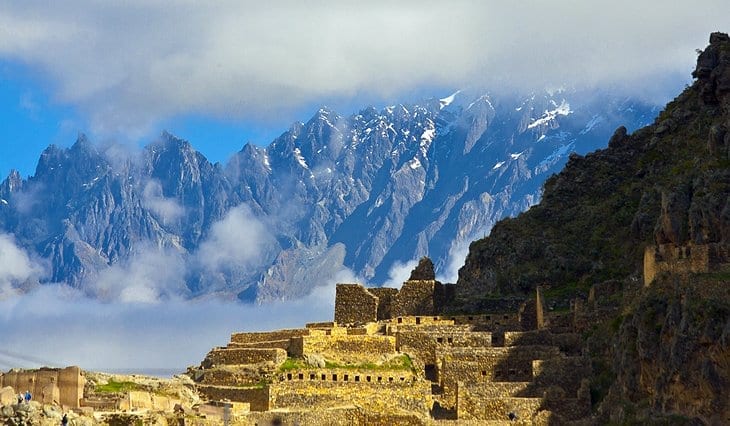
The most common way to get from Cusco to Machu Picchu is to travel by road from Cusco to Ollantaytambo, take the train from Ollantaytambo to Aguas Calientes, then take the shuttle bus up to Machu Picchu. Below is a comparison table with the route and the method of travel.
| Route Step | Typical Travel Method |
|---|---|
| Cusco to Ollantaytambo | Private transfer, shared van, or tour transfer |
| Ollantaytambo to Aguas Calientes | Train |
| Aguas Calientes to Machu Picchu entrance | Shuttle bus or uphill walk |
| Machu Picchu visit | Timed ticket and official circuit/route |
| Return | Bus to Aguas Calientes, train to Ollantaytambo, transfer to Cusco |
For most first-time visitors, the most comfortable option is to include Machu Picchu as part of a planned itinerary with the Sacred Valley, Aguas Calientes, and Cusco arranged in the right order. Some travelers might prefer going straight from Cusco, though, so it depends on scheduling, preferences, budget, etc.
Is Machu Located in Cusco?
Machu Picchu is located in the Cusco region of Peru, but it is not in the city of Cusco. This is where many travelers get confused. When people say they are going from Cusco to Machu Picchu, they usually mean they are starting in the city of Cusco and traveling to the archaeological site by road, train, and bus.
The route usually includes:
- Cusco — the main city and airport gateway in the Andes
- Ollantaytambo — the main Sacred Valley train station for many travelers
- Aguas Calientes / Machu Picchu Pueblo — the town below Machu Picchu
- Machu Picchu — the archaeological site above Aguas Calientes
So while Machu Picchu is part of the Cusco region, it is not a short drive from the city. It requires planning. If you read this and also thought Machu Picchu was in the city of Cusco, don’t feel bad. I’ve had people think that Machu Picchu was located in Lima, and all they needed to do was board a train to see it.
What is The Best Route To Take From Cusco to Machu Picchu?
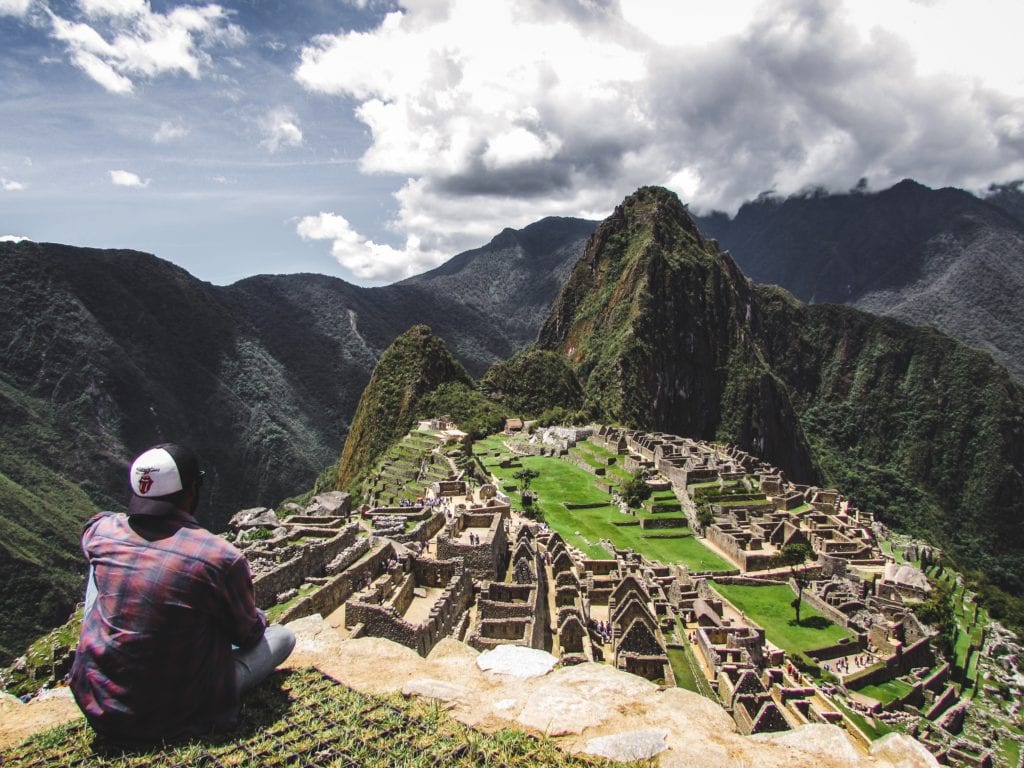
For travelers that are in Cusco and want to head to Machu Picchu, the best route is:
Cusco → Sacred Valley / Ollantaytambo → Aguas Calientes → Machu Picchu
This route is popular because it works naturally with the geography of the region. Ollantaytambo is located in the Sacred Valley and is one of the most convenient places to board the train to Aguas Calientes. With this travel itinerary, you’re slowly heading to a lower elevation until you finally reach Aguas Calientes.
A strong itinerary often looks like this:
Lima → Cusco Airport → Sacred Valley → Ollantaytambo → Aguas Calientes → Machu Picchu → Cusco
This route is usually better than immediately staying in Cusco before Machu Picchu because the Sacred Valley is lower in elevation, calmer, and closer to the train line. It also reduces the feeling of rushing on the Machu Picchu travel day.
Option 1: Taking The Train From Cusco to Machu Picchu
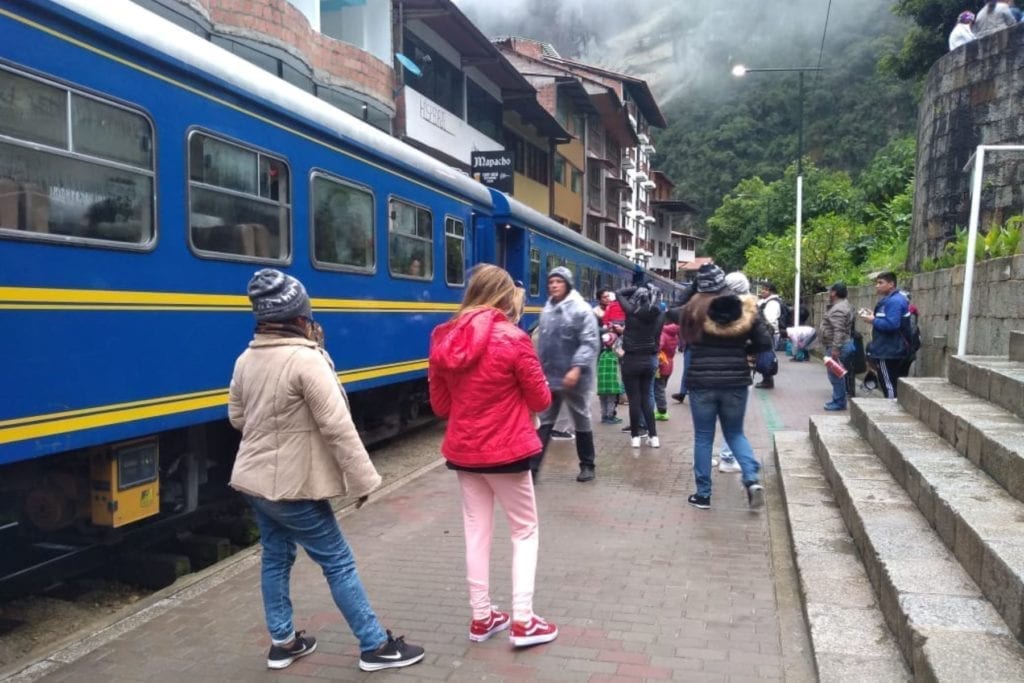
The train is the most popular and comfortable way to reach Machu Picchu. For starters, there is no train that goes directly to the ruins themselves. Trains go to Aguas Calientes, also called Machu Picchu Pueblo. From there, travelers take a shuttle bus or walk up to the Machu Picchu entrance. The train is not there just to get your through the Andes and into the lush cloud forest. This beautiful train ride serves as a base for taking spectacular photography of the surrounding Sacred Valley and the cloud forest as you travel to Aguas Calientes.
Depending on the season, train company, and itinerary, travelers may depart from stations such as Ollantaytambo, Poroy, San Pedro, Wánchaq, or Urubamba. PeruRail’s own train information lists departure points from Cusco and the Sacred Valley, including Wánchaq, San Pedro, Poroy, Ollantaytambo, and Urubamba depending on service and itinerary.
For most travelers, the simplest route is still:
Cusco → Ollantaytambo by road → Aguas Calientes by train
This is especially true if you are staying in the Sacred Valley before Machu Picchu. Most travelers should do their acclimatization period in the Sacred Valley over Cusco. It tends to be a little easier to manage for the first 48 hours.
This is Best for:
The train route is best for:
- First-time visitors
- Couples
- Families
- Seniors
- Luxury travelers
- Travelers short on time
- Anyone who does not want a multi-day trek
- Travelers who want the most comfortable standard route
The Main advantage
The train route is the easiest and most scenic way to reach Machu Picchu without trekking.
The Main downside
You still need to coordinate several details: transfer, train schedule, Aguas Calientes hotel, bus ticket, Machu Picchu entrance time, guide, and return train.
Option 2: Machu Picchu Day Trip From Cusco
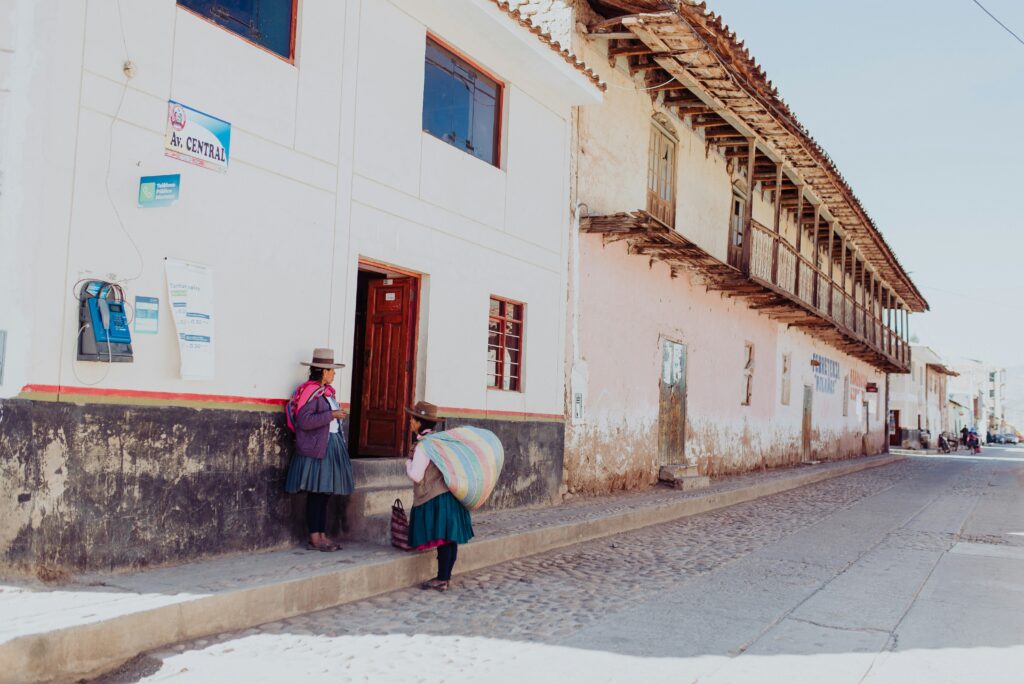
A Machu Picchu day trip from Cusco is possible and popular, but it is a long day. For some travelers that aren’t mentally prepared for the early morning pick up, land travel, train ride, bus ride, tour, bus ride down, train ride back to Cusco, the one-day itinerary can seem rushed. For others it fits perfectly into their expectations and schedule. The full itinerary is linked below:
A typical day trip may look like this:
- Early pickup in Cusco
- Drive to Ollantaytambo or another train station
- Train to Aguas Calientes
- Bus to Machu Picchu
- Guided visit
- Bus back to Aguas Calientes
- Train back to Ollantaytambo
- Transfer back to Cusco
This can work if you have limited time, but travelers should understand the pace before booking. The day often starts early, at 4:00 am and ends late with a return to Cusco schedule after 6:00 pm.
This Best for
A day trip from Cusco is best for:
- Travelers with very limited time
- People who only have one day for Machu Picchu
- Travelers who do not mind a long travel day
- Visitors who want the fastest possible option
Who should avoid it
A day trip may not be ideal for:
- Families with young children
- Seniors who prefer a slower pace
- Honeymooners
- Travelers who dislike early mornings
- People concerned about altitude or fatigue
- Travelers who want a more relaxed Machu Picchu experience
Travel specialist tip
If Machu Picchu is the highlight of your Peru trip, I usually recommend staying overnight in Aguas Calientes instead of doing a same-day round trip from Cusco. The experience tends to feel smoother and less rushed.
Option 3: Stay Overnight in Aguas Calientes
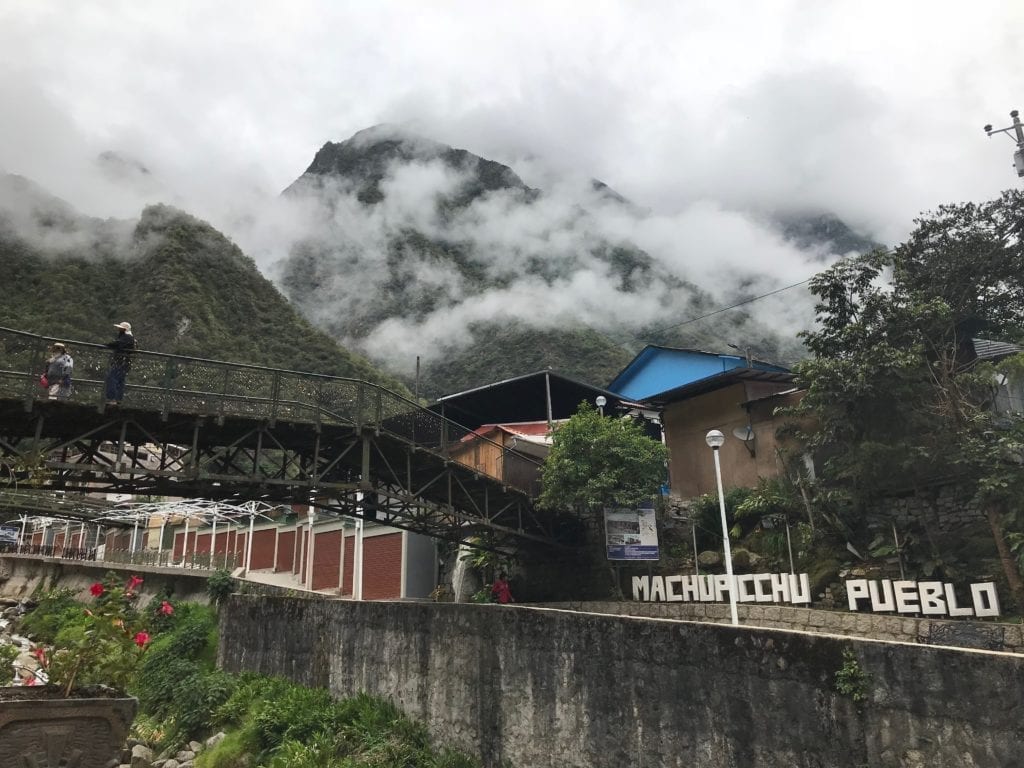
For many travelers, the best way to visit Machu Picchu is to spend one night in Aguas Calientes before entering the site. If you want an itinerary that does not feel rushed and you want to dedicate the day to your Machu Picchu vacation exploration, then this is a great itinerary.
Aguas Calientes is the town at the base of Machu Picchu, it was formerly a mining town that has transformed into a tourist hub. It has hotels, restaurants, cafés, markets, the train station, and the shuttle bus departure point for Machu Picchu.
A good overnight route looks like this:
Cusco or Sacred Valley → Ollantaytambo → Aguas Calientes overnight → Machu Picchu visit → Cusco
This option gives you more breathing room. Instead of leaving Cusco extremely early, you arrive near Machu Picchu the day before and wake up already close to the site. With this itinerary, you can now plan your Machu Picchu tour to be at any time throughout the day. Assuming you have the right ticket and circuits to Machu Picchu, of course.
Thisis Best for
An overnight stay is best for:
- First-time visitors
- Couples
- Honeymooners
- Families
- Seniors
- Photographers
- Travelers with morning entry tickets
- Anyone who wants a more comfortable experience
The Main advantage
You avoid making the entire Machu Picchu visit feel like one long transportation day.
The Main downside
You need an extra hotel night in Aguas Calientes, and the town is generally more practical than charming. Still, for many travelers, the smoother logistics are worth it.
Option 4: Visit Machu Picchu From the Sacred Valley
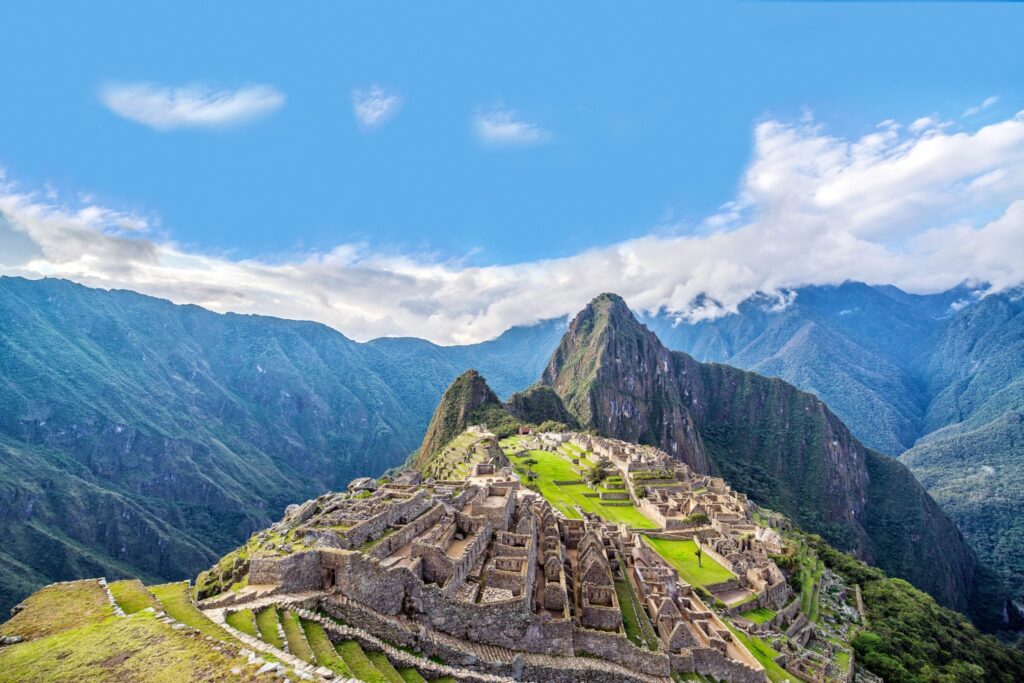
For many itineraries, the best starting point for Machu Picchu is not Cusco. It is the Sacred Valley.This is one of the most important planning decisions in a Peru trip. Where should you set up base to acclimate to the elevation.
If you stay in the Sacred Valley before Machu Picchu, especially near Ollantaytambo or Urubamba, the train day becomes easier. You are already closer to the rail route, and you can avoid leaving Cusco very early just to reach the train station. The issue here is that if you plan on taking tours of the valley in this first leg of the trip it will have to be in a private setting. Group tours start in Cusco with a pick up near the main square or at your hotel lobby.
A strong route is:
Cusco Airport → Sacred Valley → Ollantaytambo → Aguas Calientes → Machu Picchu → Cusco
This is the route I usually prefer for first-time travelers because it is more comfortable and more logical.
Why the Sacred Valley route works well
The Sacred Valley route works because:
- It is calmer after arriving from Lima.
- It is generally lower than Cusco.
- It gives you time to adjust to altitude.
- It places you closer to the train.
- It allows you to visit Pisac, Ollantaytambo, Maras, Moray, or Chinchero before Machu Picchu.
- It reduces backtracking.
- It makes Cusco more enjoyable after you have acclimated.
This is Best for
This route is best for:
- First-time visitors
- Families
- Seniors
- Honeymooners
- Luxury travelers
- Private tours
- 7-day, 10-day, and 14-day Peru itineraries
Option 5: Hiking Inca Trail to Machu Picchu
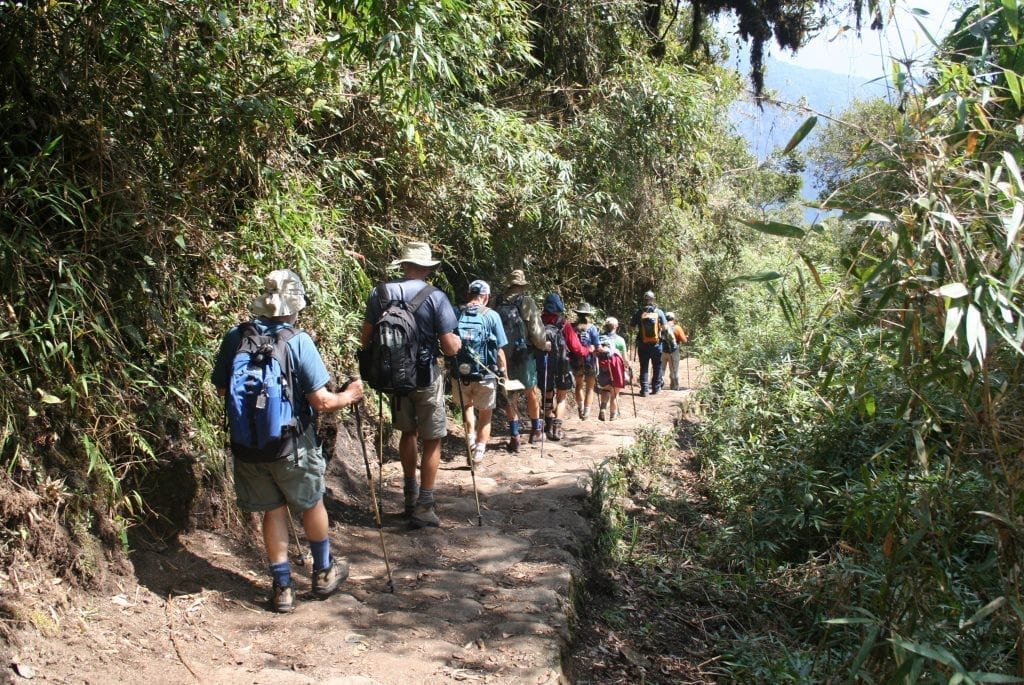
The Inca Trail is the classic trekking route to Machu Picchu. Unlike the train route, the Inca Trail reaches Machu Picchu on foot through a historic route with archaeological sites, mountain passes, cloud forest, and dramatic scenery. This is not simply a transportation option. It is a multi-day trekking experience.
The Classic Inca Trail is usually best for travelers who want the journey to Machu Picchu to be part of the adventure, not just a way to get there.
This is Best for
The Inca Trail is best for:
- Active travelers
- Hikers
- Travelers interested in Inca history
- People who want a bucket-list trek
- Visitors who can plan well in advance
- Travelers comfortable with camping and altitude
The Main advantage
The Inca Trail is one of the most iconic trekking routes in South America.
The Main downside
Permits are limited, the trek requires good fitness, and it must be planned in advance. It is not the best option for travelers who want the easiest or most comfortable route to Machu Picchu.
Option 6: Salkantay Trek to Machu Picchu
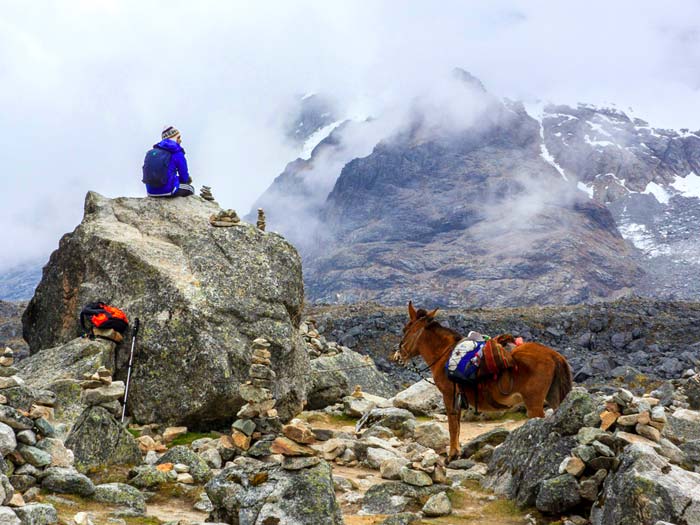
The Salkantay Trek is another popular trekking route to Machu Picchu. It is often chosen by travelers who want dramatic mountain scenery and an alternative to the Classic Inca Trail.
The Salkantay route is more physically demanding than the train journey and usually involves high-altitude trekking, changing landscapes, and multiple days on the trail.
Best for
The Salkantay Trek is best for:
- Strong hikers
- Adventure travelers
- Travelers who want mountain scenery
- People who missed Inca Trail permits
- Visitors comfortable with longer trekking days
Main advantage
The scenery is spectacular, especially around Salkantay Mountain.
Main downside
It is physically demanding and not ideal for travelers who want a relaxed Machu Picchu visit.
Option 7: The Hydroelectric Route
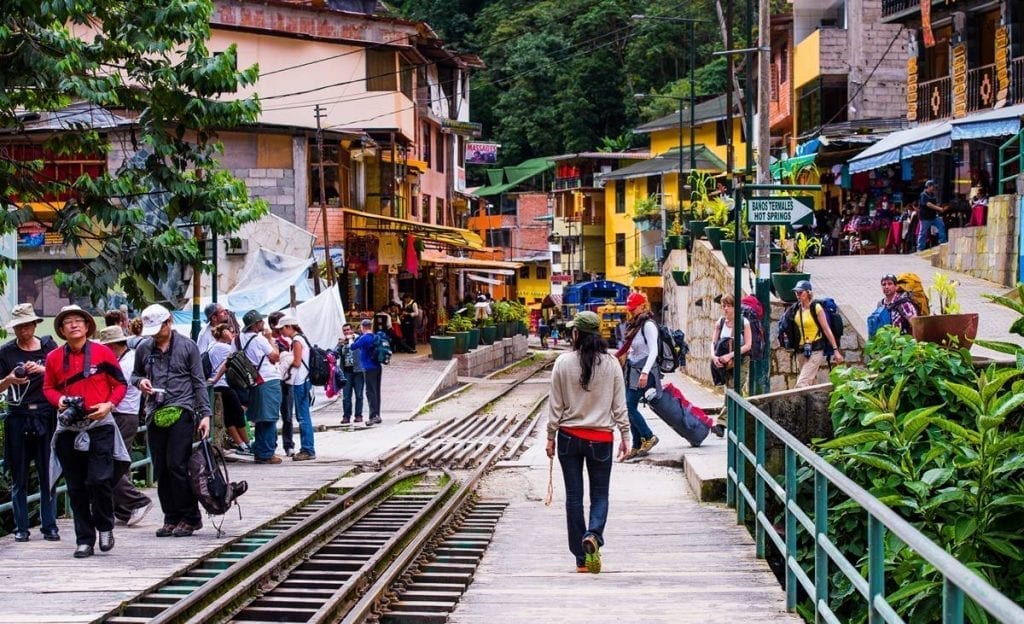
The hydroelectric route is a lower-cost overland route used by some budget travelers. It usually involves a long drive from Cusco toward the hydroelectric station area, followed by a walk along the rail line toward Aguas Calientes.
This is not the route I usually recommend for most travelers booking a Peru vacation package.
It can be cheaper, but it is much longer, less comfortable, and more dependent on road conditions. For travelers who value comfort, safety, time, and reliability, the train route is usually the better choice.
Best for
The hydroelectric route is best for:
- Backpackers
- Budget travelers
- Travelers with flexible time
- People comfortable with long overland travel
Not ideal for
It is usually not ideal for:
- Families
- Seniors
- Honeymooners
- Luxury travelers
- Travelers with limited time
- Anyone wanting a smooth first-time Machu Picchu experience
Cusco to Machu Picchu by Train: Step-by-Step
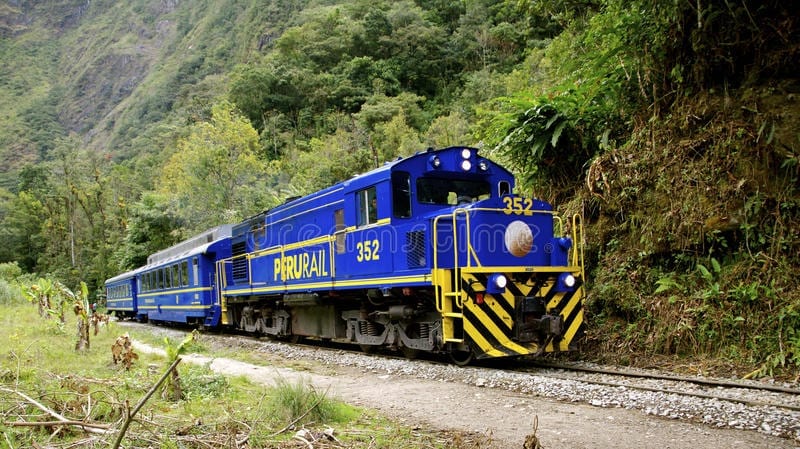
Here is the standard train-based route in practical terms.
Step 1: Travel From Cusco to Ollantaytambo
Most travelers begin with a road transfer from Cusco to Ollantaytambo. This may be private, shared, or included in a tour package.
If you are staying in the Sacred Valley, this transfer may be much shorter.
Step 2: Take the Train to Aguas Calientes
From Ollantaytambo, take the train to Aguas Calientes.
The train ride is one of the most scenic parts of the journey. It follows the Urubamba River and gradually moves toward the cloud forest below Machu Picchu.
Step 3: Stay Overnight or Continue to the Bus
If your itinerary includes an overnight stay, check into your hotel in Aguas Calientes.
If you are visiting the same day, continue toward the shuttle bus station.
Step 4: Take the Bus to Machu Picchu
From Aguas Calientes, shuttle buses take travelers up the winding road to the Machu Picchu entrance.
Some travelers walk up, but the uphill path is steep and tiring. Most visitors take the bus to save energy for the site itself.
Step 5: Enter Machu Picchu With Your Ticket and Guide
Machu Picchu tickets are timed and tied to specific circuits and routes. Since June 1, 2024, the official system uses 3 circuits grouping 10 routes, so the ticket you choose affects what part of the site you can visit.
For most first-time visitors, a guide is highly recommended because the site is complex and the route system can be confusing.
Step 6: Return to Aguas Calientes
After the visit, return by bus to Aguas Calientes. Depending on your schedule, you may have time for lunch before boarding the return train.
Step 7: Train Back to Ollantaytambo and Transfer to Cusco
Most travelers take the train back to Ollantaytambo and then continue by road to Cusco.
This is why the return day can feel long if you are doing everything in one day.
How Long Does It Take to Get From Cusco to Machu Picchu?
Travel time depends on the route, station, train service, road conditions, and whether you stay overnight.
As a general planning estimate:
| Route Segment | Approximate Time |
|---|---|
| Cusco to Ollantaytambo by road | 1.5 to 2 hours |
| Ollantaytambo to Aguas Calientes by train | About 1.5 to 2 hours |
| Aguas Calientes to Machu Picchu by bus | About 25 to 30 minutes |
| Guided Machu Picchu visit | Usually 2 to 3 hours |
| Return to Cusco | Often 4+ hours total, depending on train and transfer timing |
A day trip from Cusco can easily become a full-day experience of 12 hours or more.
That does not mean it is a bad option. It just means travelers should understand the pace before choosing it.
Is There a Direct Train From Cusco to Machu Picchu?
There are train services that may depart from the Cusco area depending on season and service, but travelers should understand that trains go to Aguas Calientes, not directly to the Machu Picchu ruins.
In practical terms, many visitors still use Ollantaytambo as the main train station, especially if they are visiting the Sacred Valley before Machu Picchu.
PeruRail lists several services to Machu Picchu, including Expedition, Vistadome, and Vistadome Observatory. Its Vistadome route information also lists departures from Cusco and Sacred Valley stations, including Wánchaq, San Pedro, Poroy, Ollantaytambo, and Urubamba depending on itinerary and service.
The best station for you depends on your itinerary, hotel location, travel date, and train availability.
Should You Start From Cusco or Ollantaytambo?
If you are already staying in Cusco, you can start from Cusco and transfer to the train station.
If you are still planning your itinerary, I usually prefer starting from the Sacred Valley or Ollantaytambo before Machu Picchu.
Start from Cusco if:
- You are already based in Cusco.
- You have very limited time.
- Your tour package is built around Cusco.
- You prefer city hotels and restaurants.
- Your train service departs from the Cusco area.
Start from Ollantaytambo if:
- You want a smoother train day.
- You are staying in the Sacred Valley.
- You want to reduce early-morning travel.
- You are visiting Sacred Valley sites before Machu Picchu.
- You want a more comfortable first-time Peru route.
For most first-time visitors, I prefer this route:
Cusco Airport → Sacred Valley → Ollantaytambo → Aguas Calientes → Machu Picchu → Cusco
Should You Visit Machu Picchu in One Day or Stay Overnight?
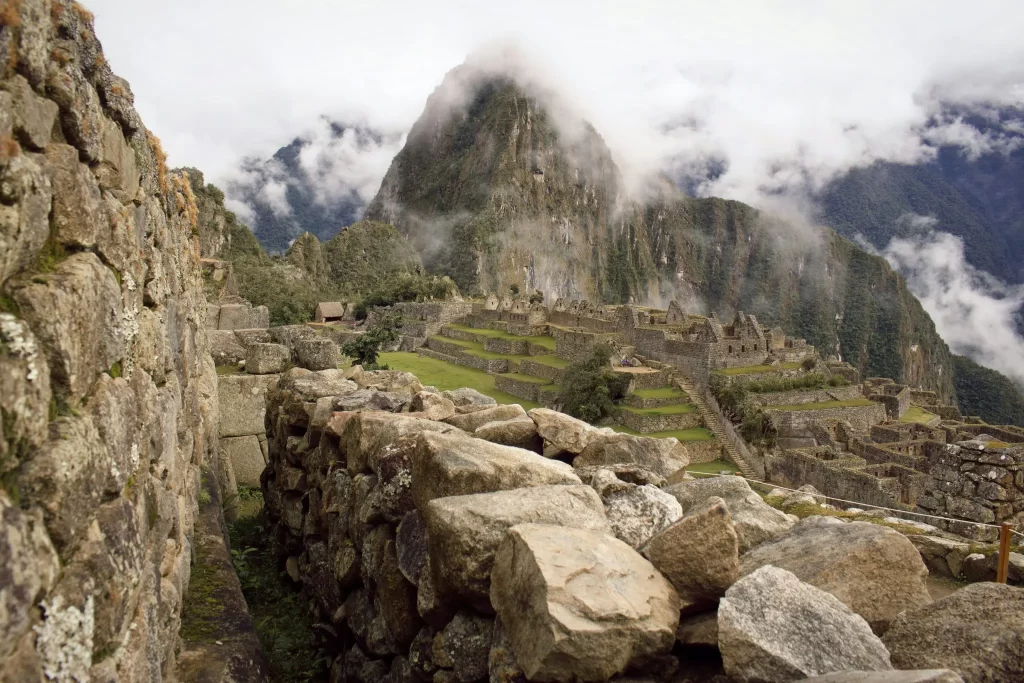
Both options work, but they create very different experiences. One gets everyone done in a single day, and is great if you have schedule constraints. The second is more fair-paced but will incur additional costs.
One-day Machu Picchu trip from Cusco
A one-day trip is faster and requires fewer hotel changes. It is good for travelers with limited time.
However, it can feel rushed because the day includes road transfers, trains, buses, the guided visit, and the return journey. If you don’t mind waking up early and setting out at 4:00 am than this is a great alternative for you.
Overnight Machu Picchu visit
An overnight stay in Aguas Calientes usually creates a smoother experience. You arrive the day before, rest near the site, and visit Machu Picchu without starting from Cusco early that same morning. This option presents a hotel change for the night and that doesn’t always seem like an attractive option for some travelers.
This is usually better for:
- Families
- Couples
- Seniors
- Honeymooners
- Photographers
- First-time visitors
- Travelers who want a less stressful experience
My recommendation
If time allows, stay overnight in Aguas Calientes. If your itinerary is very short, a day trip can still work, but it should be carefully planned.
Should You Book a Tour or Do It Yourself?
You can visit Machu Picchu independently, but many travelers prefer a tour because the logistics involve several separate pieces.
To do it yourself, you need to coordinate:
- transportation to the train station
- train tickets
- hotel in Aguas Calientes if overnighting
- bus tickets
- Machu Picchu entrance tickets
- circuit/route selection
- guide
- return train
- transfer back to Cusco
- timing between every step
A tour package can make this easier by arranging the pieces together.
Independent travel may work if:
- You are comfortable booking everything yourself.
- You speak some Spanish or are comfortable navigating logistics.
- You have flexible time.
- You are not traveling during high season.
- You enjoy planning details.
A tour is usually better if:
- This is your first time in Peru.
- You have fixed travel dates.
- You are traveling with family.
- You want a private guide.
- You are worried about tickets or train timing.
- You want hotels and transfers handled.
- You want the visit to feel smooth.
- You are including Machu Picchu as part of a longer Peru itinerary.
For most travelers booking a Peru vacation, a planned package is easier and reduces the chance of timing mistakes.
Machu Picchu Tickets and Circuit Dilemma
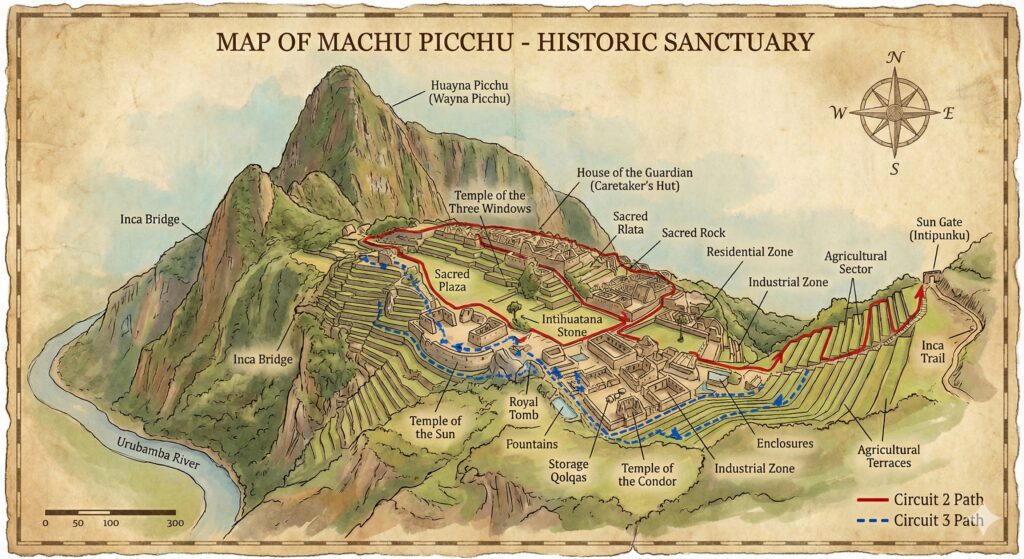
One of the most common mistakes travelers make is focusing only on the train and forgetting the Machu Picchu ticket system.
Your ticket determines:
- your entry time
- your circuit
- your route
- whether you can access certain viewpoints
- whether you can include hikes such as Huayna Picchu or Machu Picchu Mountain
- how the visit flows inside the site
The official Machu Picchu system currently uses 3 circuits and 10 routes, which means different tickets can create very different experiences.
This is why you should not book trains and hotels without checking Machu Picchu ticket availability first.
A good itinerary matches:
ticket time + route + train schedule + guide + hotel location
If those pieces do not match, the day can become rushed or disappointing.
Best Cusco to Machu Picchu Route for Different Travelers
Depending on what kind of traveler you are, the best route to Machu Picchu can differ. A senior or family trip will be different than an adventure traveler. If you are a first-time traveler to Machu Picchu, you will probably need to follow the route that adjusts to the elevation best.
Recommended Route for First-time visitors
Best route:
Cusco Airport → Sacred Valley → Aguas Calientes → Machu Picchu → Cusco
This gives you a smoother introduction to the Andes and a better route to Machu Picchu. It helps to minimize the chances of suffering any issues from the elevation.
Recommended Route for Families
Best route:
Sacred Valley → Aguas Calientes overnight → Machu Picchu → Cusco
Families usually benefit from fewer early mornings and less rushing. A calmer, more relaxed and “sleep in” route is recommended.
Recommended Route for Couples and honeymooners
Best route:
Sacred Valley boutique hotel → scenic train → Aguas Calientes overnight → private Machu Picchu guide → Cusco
This feels more relaxed and more personal. Adding a scenic train ride like the Vistadome or the Hiram Bingham to the Peru honeymoon package would make the trip ideal for anyone on a romantic getaway to the Andes.
Recommended Route for Seniors
Best route:
Sacred Valley first → Aguas Calientes overnight → Machu Picchu with private guide → Cusco
This helps with pacing, altitude adjustment, and comfort. Senior travelers should benefit from the lower elevation and booking a private guide in Machu Picchu.
Recommended Route for Budget travelers
Best route:
Cusco → Ollantaytambo → Aguas Calientes → Machu Picchu → Cusco
Budget travelers can use shared transfers and standard train options, but should still avoid leaving the ticket planning too late. This route gets you to Machu Picchu and minimizes the costs of transportation. Booking early is your number one priority, though.
Recommended Route for Adventure travelers
Best route:
Inca Trail or Salkantay Trek → Machu Picchu
For hikers, the journey can be as important as the destination. Having a camping trip is ideal for travelers looking for a challenge, amazing views, and great anecdotes to share in the future.
Common Mistakes When Traveling From Cusco to Machu Picchu
When planning your trip to Machu Picchu try to avoid these mistakes:
- Booking train tickets before confirming Machu Picchu entrance availability
- Choosing the wrong circuit or route
- Assuming Machu Picchu is a short drive from Cusco
- Trying to do too much on the same day
- Underestimating the length of a day trip from Cusco
- Staying in Cusco when the Sacred Valley would make more sense
- Ignoring altitude on the first day
- Leaving too little time between train, bus, and entry time
- Booking a late return train without checking transfer timing
- Not staying overnight when the itinerary would benefit from it
- Assuming all train stations operate the same year-round
- Waiting too long to book high-season travel
Machu Picchu is not hard to reach, but it does reward careful planning. It is easy to get there, but it is most definitely not simple to plan it out and execute properly.
Best Itinerary for Cusco to Machu Picchu
For most first-time visitors, I recommend this itinerary structure:
Day 1: Arrive in Cusco and Transfer to the Sacred Valley
Fly from Lima to Cusco and continue to the Sacred Valley. Keep the day light and focus on adjusting to the altitude.
Day 2: Explore the Sacred Valley
Visit Pisac, Ollantaytambo, Maras, Moray, Chinchero, or Urubamba depending on your interests.
Day 3: Train to Aguas Calientes
Take the train from Ollantaytambo to Aguas Calientes and stay overnight near Machu Picchu.
Day 4: Visit Machu Picchu and Return to Cusco
Take the bus to Machu Picchu, visit with a guide, return to Aguas Calientes, take the train back, and continue to Cusco.
Day 5: Explore Cusco
Visit Cusco after you have had more time to acclimate. This makes the city more enjoyable.
This route works well inside 7-day, 10-day, and 14-day Peru itineraries.
How to Include Machu Picchu in a Peru Tour Package

Machu Picchu is usually the centerpiece of a Peru tour package, but it should not be treated as an isolated day. The tour package should have a designated starting point. Most packages start in Lima with one of our private drivers ready to pick you up and take you to your Miraflores hotel.
Next comes the city tour where you’ll get to see the center of the city and the surrounding districts. In the evening, we recommend reserving a table in one of the several restaurants we recommend, the list includes Maido, Central, Mayta, Merito, Panchita and others. This all happens before the traveler even gets to Cusco. To do all of this and then have your Machu Picchu portion managed it is better to book a fully custom vacation package.
A good package connects Machu Picchu with:
- Lima arrival and departure
- Cusco airport logistics
- Sacred Valley hotel selection
- train station transfers
- Aguas Calientes hotel
- Machu Picchu tickets and circuits
- private guide
- Cusco city touring
- optional Amazon, Lake Titicaca, Arequipa, or Colca Canyon extensions
For most travelers, Machu Picchu works best as part of a larger route rather than a rushed standalone visit.
Final Recommendation: What Is the Best Way to Get From Cusco to Machu Picchu?
For most travelers, the best way to get from Cusco to Machu Picchu is by combining a Sacred Valley stay, train to Aguas Calientes, overnight near Machu Picchu, and guided visit the next day.
The best route is usually:
Cusco Airport → Sacred Valley → Ollantaytambo → Aguas Calientes → Machu Picchu → Cusco
This route is smoother than rushing from Cusco in one day. It gives you better pacing, easier train logistics, more time to adjust to altitude, and a better overall Machu Picchu experience.
A day trip from Cusco can work if you are short on time. A trek can be unforgettable if you are active and prepared. But for most first-time visitors, couples, families, seniors, and private tour travelers, the train route through the Sacred Valley with an overnight stay near Machu Picchu is the best choice.
You can also book a multi-day hike to Machu Picchu like the Inca Trail (2 or 4 day versions) and the Salkantay trek which also leads to Machu Picchu with an overnight stay in Aguas Calientes first. This is the preferred route for adventure travelers but not necessarily for a family trip or a senior’s travel package.
If you want any of these routes arranged with hotels, train tickets, Machu Picchu entrance, private transfers, and expert guides, our Peru tour packages can be customized around your dates, travel style, and preferred pace.
Frequently Asked Questions About Cusco to Machu Picchu
The most common route is Cusco to Ollantaytambo by road, Ollantaytambo to Aguas Calientes by train, then Aguas Calientes to Machu Picchu by shuttle bus.
Yes, you can visit Machu Picchu as a day trip from Cusco, but it is a long day with early transfers, train travel, bus travel, the guided visit, and a late return.
Train services may depart from the Cusco area depending on season and service, but trains go to Aguas Calientes, not directly to the Machu Picchu ruins. Many travelers use Ollantaytambo as the main train station.
For most travelers, it is better to go from the Sacred Valley, especially Ollantaytambo, because it is closer to the train route and makes the travel day smoother.
Yes, staying overnight in Aguas Calientes is usually better if you want a smoother Machu Picchu visit. It is especially helpful for families, couples, seniors, and first-time visitors.
The train from Ollantaytambo to Aguas Calientes usually takes about 1.5 to 2 hours, depending on the service.
The easiest way is to book a planned tour package that includes transfers, train tickets, Machu Picchu entrance, bus tickets, hotel arrangements, and a guide.
No. The Inca Trail is the classic route, but travelers also choose alternatives such as the Salkantay Trek or Lares Trek, depending on interests, permits, and fitness level.
Yes, it is possible to walk up from Aguas Calientes to Machu Picchu, but the uphill route is steep and tiring. Most travelers take the shuttle bus to save energy for the site.
In most cases, check Machu Picchu ticket availability first, then coordinate the train schedule around your entry time and route.