
Last Updated on May 14, 2026 by Michael R. Barthelmess
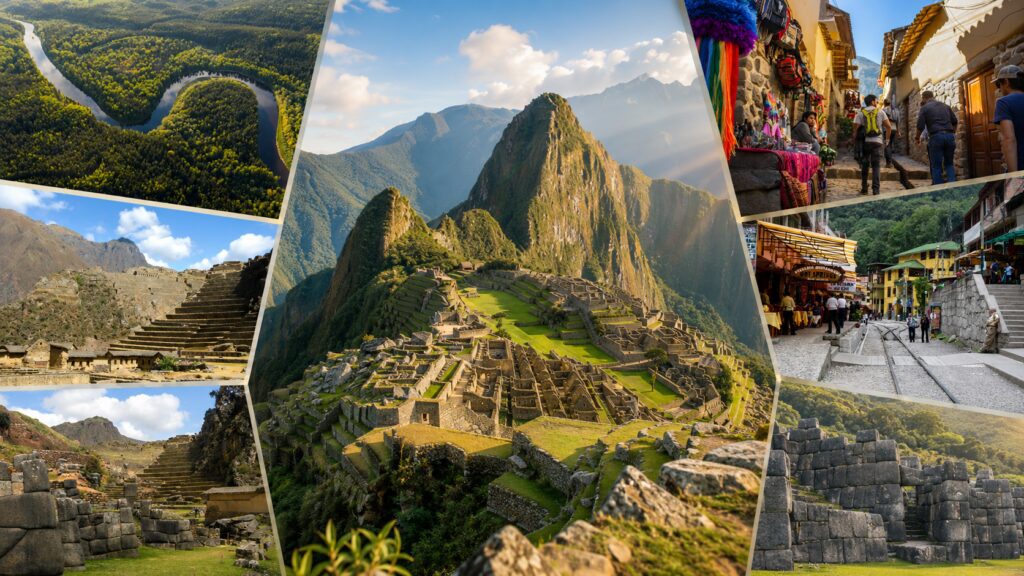
A 14-day Peru itinerary gives you enough time to experience the country at a much more rewarding pace than a shorter trip. Two weeks in Peru allows you to combine the classic Andes route — Lima, the Sacred Valley, Machu Picchu, and Cusco — with an additional region such as the Amazon, Lake Titicaca, Arequipa, or the coast.
For most first-time visitors, the best 14-day Peru route is:
Lima → Cusco Airport → Sacred Valley → Machu Picchu → Cusco → Amazon → Lima
This itinerary works especially well because it balances Peru’s most important experiences:
- Coastal Lima and Peruvian cuisine
- The Sacred Valley and Inca culture
- Machu Picchu
- Cusco’s history and atmosphere
- Amazon rainforest wildlife and nature
Unlike a faster Peru trip, 14 days gives you time to enjoy the journey instead of constantly moving between airports, hotels, and transfers. You can spend longer in the Sacred Valley, stay overnight near Machu Picchu, enjoy Cusco at a better pace, and add a real Amazon experience without making the trip feel rushed.
If you prefer to have hotels, Machu Picchu tickets, trains, domestic flights, transfers, and guides arranged professionally, our Peru tour packages can be customized around your preferred route and travel style.
Quick Answer: What Is the Best 14-Day Peru Itinerary?
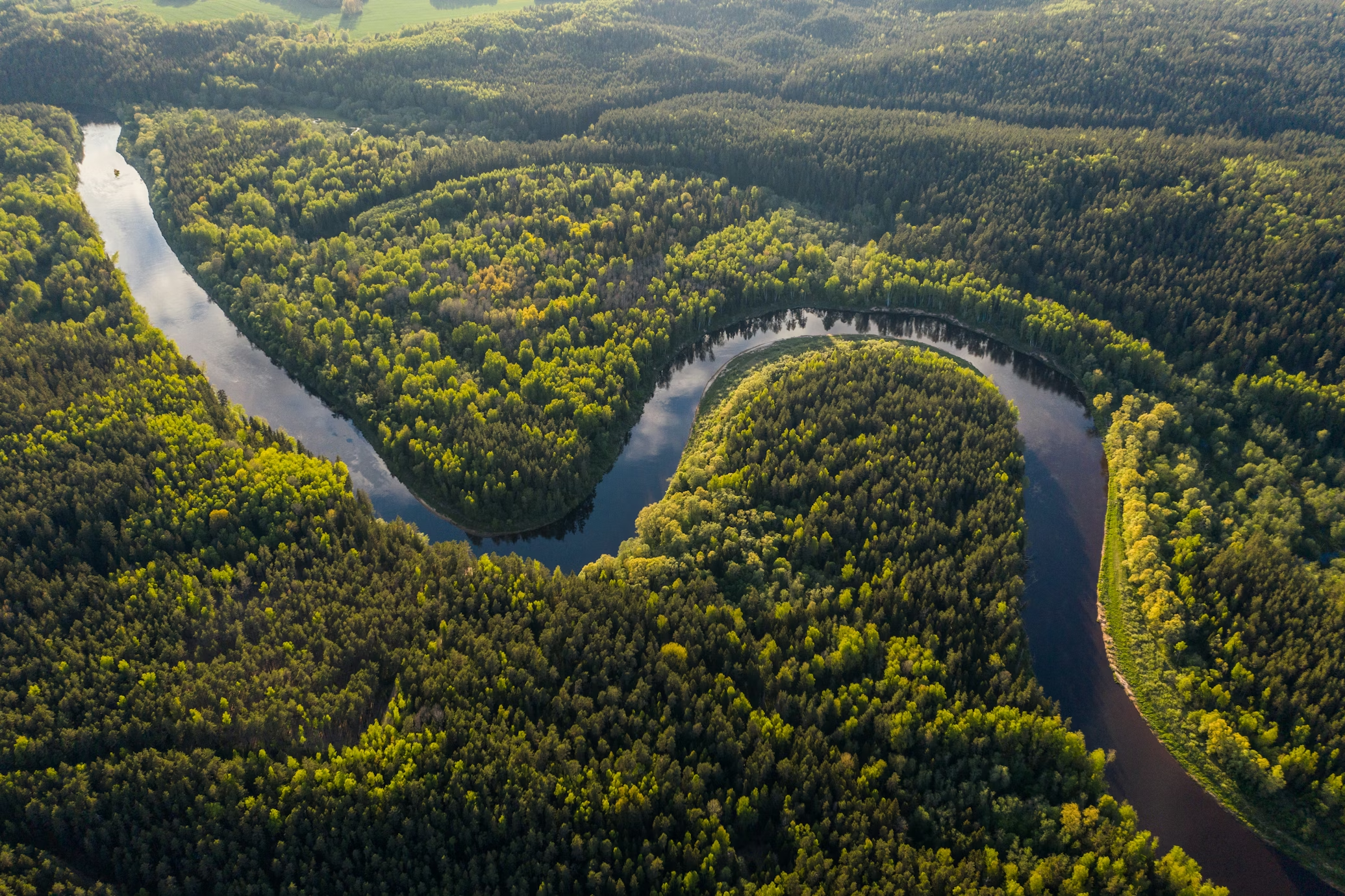
For most first-time travelers, the best 14-day Peru itinerary is:
| Day | Destination | Main Experience |
|---|---|---|
| Day 1 | Lima | Arrive in Peru |
| Day 2 | Lima | Historic Lima, food, museums, coastal neighborhoods |
| Day 3 | Sacred Valley | Fly to Cusco and transfer to the Sacred Valley |
| Day 4 | Sacred Valley | Pisac, Ollantaytambo, Maras, Moray, Chinchero |
| Day 5 | Sacred Valley | Relaxed valley day or additional touring |
| Day 6 | Machu Picchu Pueblo | Train to Aguas Calientes |
| Day 7 | Machu Picchu / Cusco | Guided Machu Picchu visit and return to Cusco |
| Day 8 | Cusco | City tour and nearby ruins |
| Day 9 | Cusco | Optional day trip or relaxed cultural day |
| Day 10 | Amazon | Fly to Puerto Maldonado and transfer to lodge |
| Day 11 | Amazon | Rainforest excursions |
| Day 12 | Amazon | Wildlife and nature activities |
| Day 13 | Lima | Return to Lima |
| Day 14 | Lima | Departure |
This route is ideal for travelers who want Peru’s classic highlights while also experiencing a completely different environment beyond the Andes. It is also one of the best Peru Itineraries for first-time visitors who are looking to spend a couple of weeks traveling.
Is 14 Days Enough for Peru?
Yes, 14 days is an excellent amount of time for Peru.
Two weeks allows you to see Peru’s classic highlights without rushing through every destination. You can experience the Andes properly, stay overnight near Machu Picchu, spend meaningful time in Cusco and the Sacred Valley, and still add another major region like the Amazon or Lake Titicaca.
With 14 days, Peru starts to feel less like a checklist trip and more like a complete, fully immersive travel experience. A two-week-long Machu Picchu vacation package seems almost ideal when you think about the travel times. Peru is a big country, and it can take a while to travel across it.
What You Can Comfortably Include in 14 Days
A well-planned 14-day Peru itinerary can include:
- Lima
- Sacred Valley
- Machu Picchu
- Cusco
- Amazon or Lake Titicaca
- Optional hikes or cultural day trips
Unlike shorter itineraries, you also have room for:
- Better pacing
- Recovery from altitude
- Luxury hotel experiences
- Private tours
- Slower travel days
- Food experiences
- Scenic train journeys
- Boutique hotel stays
Why This Peru Route Works So Well
The order of your Peru itinerary matters.
Many travelers underestimate how much altitude, train schedules, domestic flights, and transfer times affect the experience. A smart route should minimize unnecessary backtracking while helping your body adjust gradually to the Andes.
The best route for most travelers is:
Lima → Sacred Valley → Machu Picchu → Cusco → Amazon → Lima
This works well because:
- Lima is Peru’s international gateway.
- The Sacred Valley is generally lower and calmer than Cusco.
- Ollantaytambo provides excellent access to the train route to Machu Picchu.
- Cusco becomes easier to enjoy after acclimatization.
- The Amazon creates a dramatic contrast after the Andes.
- Ending in Lima simplifies international departures.
For first-time visitors, this is one of the most balanced ways to experience Peru in two weeks.
Day-by-Day 14-Day Peru Itinerary
Day 1: Arrive in Lima
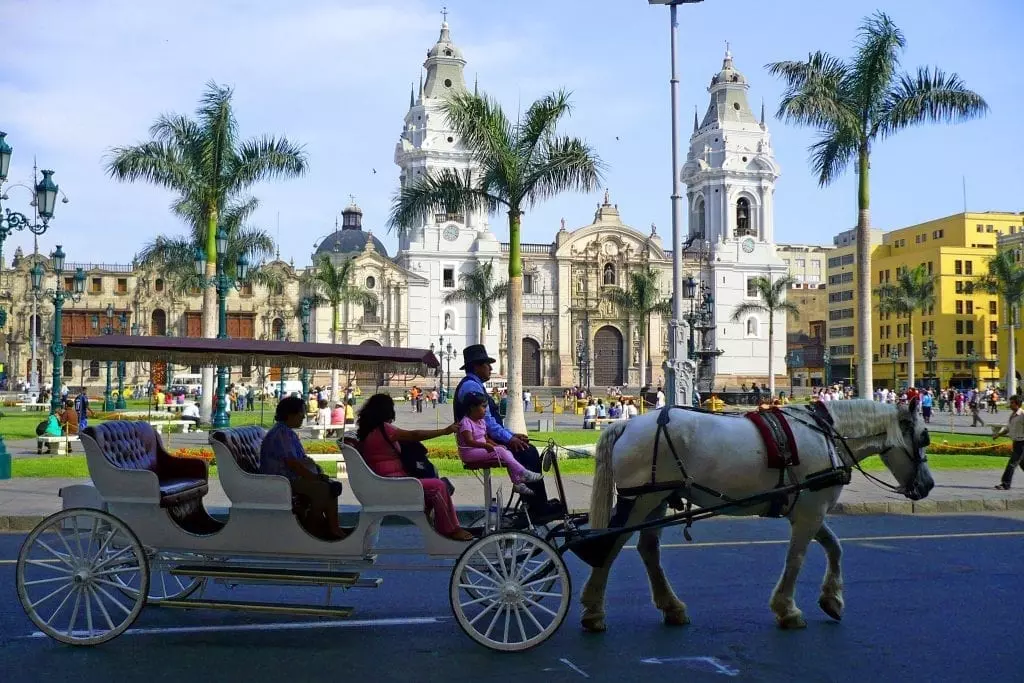
Most travelers arrive in Lima after an overnight international flight. Keep your first day relaxed and use it to recover from travel. I usually recommend to go out and walking around Miraflores to get a good meal in as well. This district has so many amazing restaurants that it would be a waste not to go out and try one of them.
The best areas to stay include:
- Miraflores for hotels, restaurants, and ocean views
- Barranco for boutique hotels, nightlife, and art
- San Isidro for quieter luxury hotels
Depending on your arrival time, enjoy:
- A coastal walk
- A relaxed dinner
- Barranco cafés
- A rooftop cocktail
- Rest before the Andes portion begins
Travel Specialist Tip
Do not overplan your arrival day. Peru trips become more active once you reach the Andes, so a calm first night usually improves the overall experience. Careful Peru travel planning is essential to organize the trip in a way that you are not too tired by the time you need to adapt to the elevation of the Peruvian highlands.
Day 2: Explore Lima
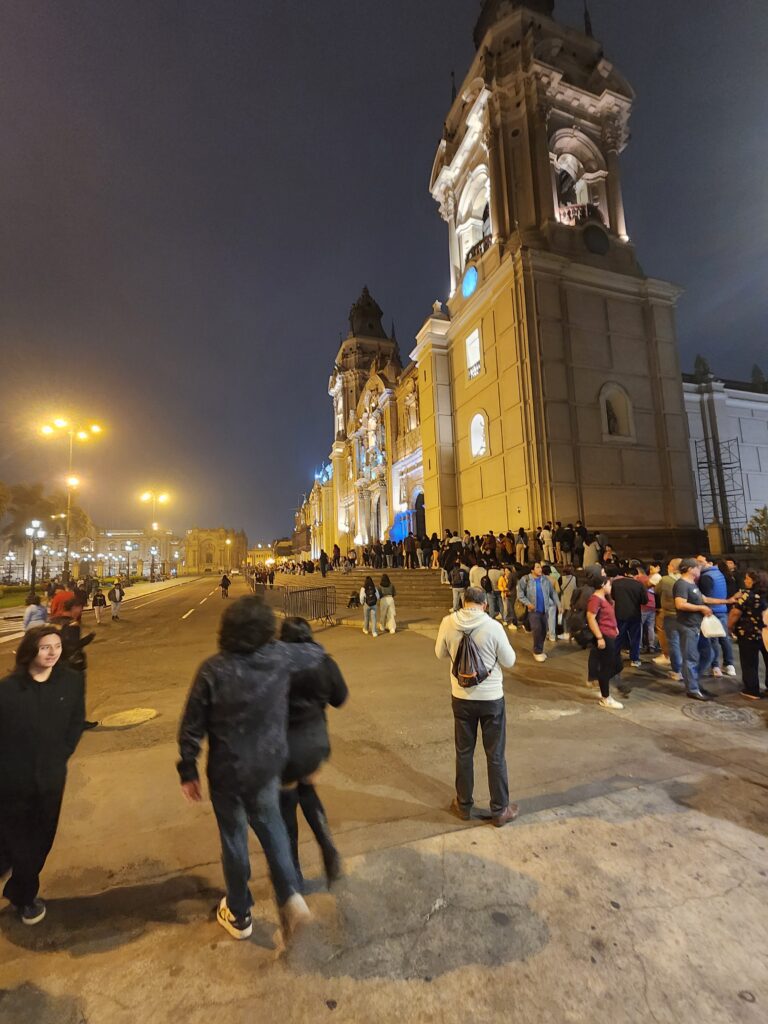
Lima is often treated as a quick arrival city before flying to Cusco, but it deserves a full day, especially on a two-week Peru itinerary. The capital gives travelers an excellent introduction to Peru’s history, coastal culture, and world-famous food scene before the trip continues into the Andes.
Start with Lima’s historic center, where you can visit the Plaza Mayor, the Government Palace, the Cathedral of Lima, and the San Francisco Monastery. This area shows the colonial side of the city and helps put Peru’s Spanish, Indigenous, and republican history into context.
Afterward, visit the Larco Museum, one of the best museums in Peru for first-time visitors. Its collection of pre-Columbian art, ceramics, textiles, and gold pieces gives helpful background before you visit Cusco, the Sacred Valley, and Machu Picchu later in the trip.
In the afternoon, continue to Barranco or Miraflores. Barranco is Lima’s bohemian district, known for colorful streets, art galleries, cafés, and the Bridge of Sighs. Miraflores offers ocean views, parks, restaurants, and a scenic walk along the Pacific coast.
Lima is also one of the best places in South America for food. This is the right day to enjoy a ceviche lunch, try a pisco sour, join a food tour, or reserve a special dinner before leaving for the Andes.
Best way to spend the day
For most first-time travelers, the best Lima day is:
Historic Lima → Larco Museum → Barranco or Miraflores → Peruvian dinner
This gives you history, culture, coastal scenery, and food without making the day feel too rushed.
Travel specialist tip
If you are arriving from a long international flight, keep the schedule flexible. Lima is worth exploring, but you do not need to pack in every museum and neighborhood. A well-paced day with one strong cultural visit, one scenic neighborhood, and a memorable meal is usually better than trying to see the entire city in one day.
A good Lima day can include:
- Plaza Mayor
- Historic Lima
- Larco Museum
- Barranco
- Miraflores
- Local markets
- Fine dining
- A ceviche lunch
- A food tour.
Day 3: Fly to Cusco and Transfer to the Sacred Valley
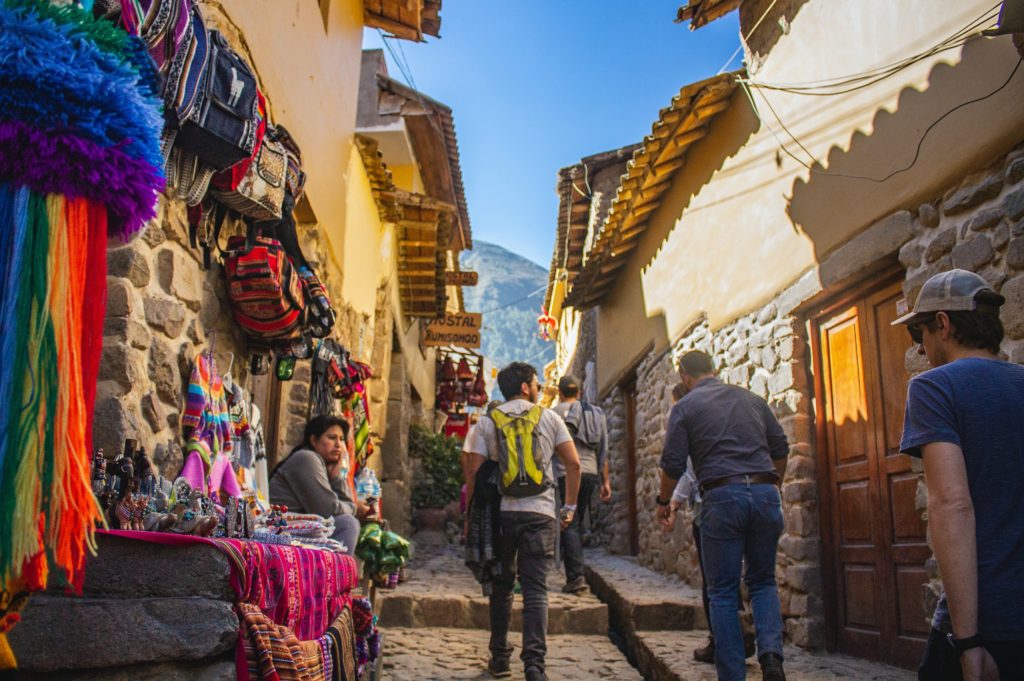
On Day 3, fly from Lima to Cusco and continue directly into the Sacred Valley instead of staying in Cusco immediately.
This is one of the best itinerary decisions for first-time travelers because the Sacred Valley is generally lower than Cusco and often easier for altitude adjustment.
The drive into the valley also introduces you to the Andes gradually, with mountain scenery, agricultural terraces, and traditional villages.
Possible stops include:
- Chinchero
- Pisac
- Scenic viewpoints
- Weaving centers
- Local markets
Keep the day light and focus on acclimatization.
Best Sacred Valley Bases
The best places to stay include:
- Urubamba
- Ollantaytambo
- Yucay
- Pisac
For most travelers, Urubamba and Ollantaytambo are the most practical.
Day 4: Sacred Valley Tour
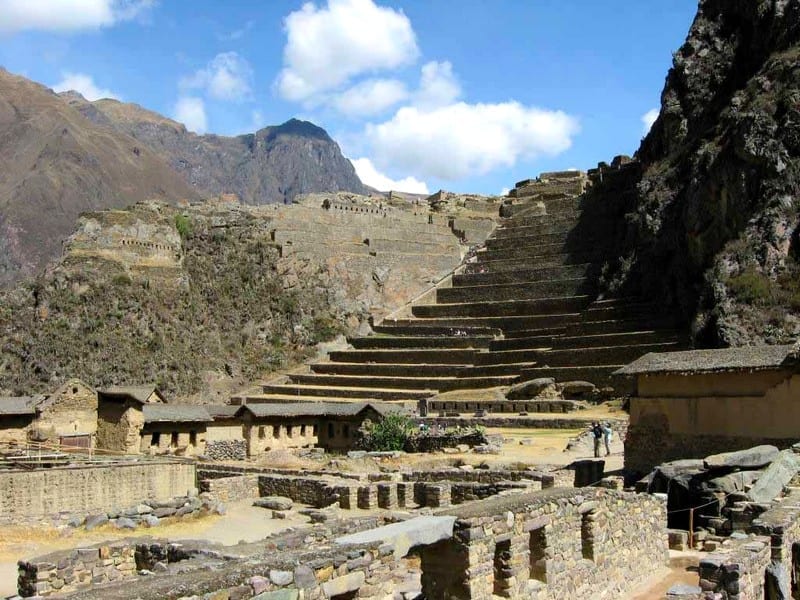
The Sacred Valley deserves at least one full day.
This region was one of the most important agricultural and ceremonial areas of the Inca Empire and remains one of the most beautiful places in Peru.
Popular sites include:
- Pisac
- Ollantaytambo
- Maras Salt Mines
- Moray
- Chinchero
Best Sacred Valley Route
Classic Sacred Valley Route
Pisac → Urubamba → Ollantaytambo
Best for first-time visitors who want classic Inca sites and traditional valley scenery.
Maras and Moray Route
Chinchero → Maras → Moray → Ollantaytambo
Best for photography, landscapes, and cultural experiences.
Travel Specialist Tip
Do not try to see every Sacred Valley attraction in one day. The valley is best enjoyed at a comfortable pace.
Day 5: Extra Sacred Valley Day
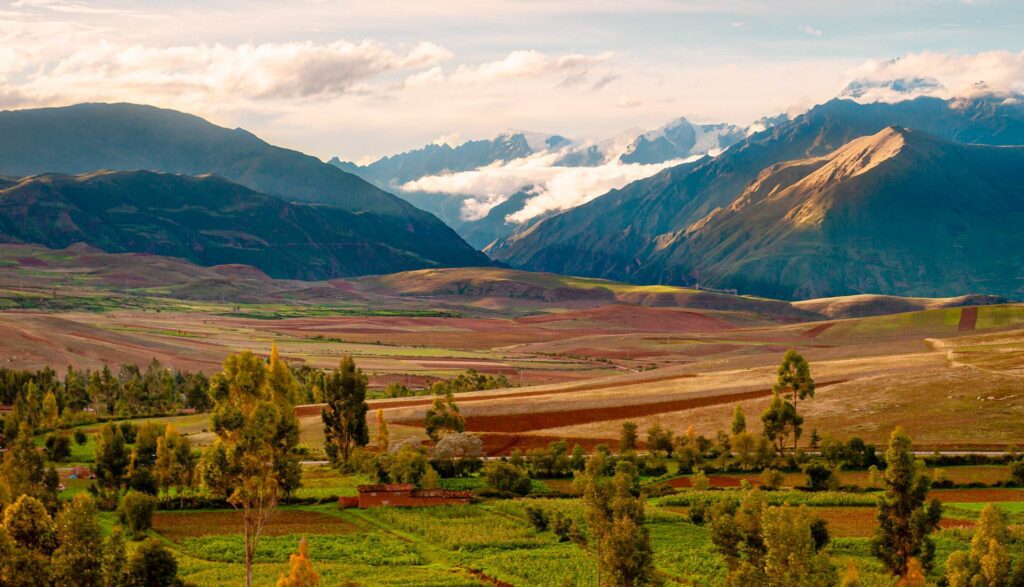
One of the biggest advantages of a 14-day Peru itinerary is that you can spend more time in the Sacred Valley instead of rushing directly to Machu Picchu.
This extra day can be used for:
- A relaxed luxury hotel day
- Additional valley touring
- Horseback riding
- Mountain biking
- Cooking classes
- Wellness experiences
- Visiting lesser-known villages
- A slower photography-focused day
For luxury travelers and couples, this is often one of the most enjoyable parts of the trip.
Why an Extra Sacred Valley Day Improves the Trip
Most shorter itineraries move too quickly through the Andes. An additional Sacred Valley day gives you better altitude adjustment and makes the trip feel far less rushed.
Day 6: Train to Machu Picchu Pueblo
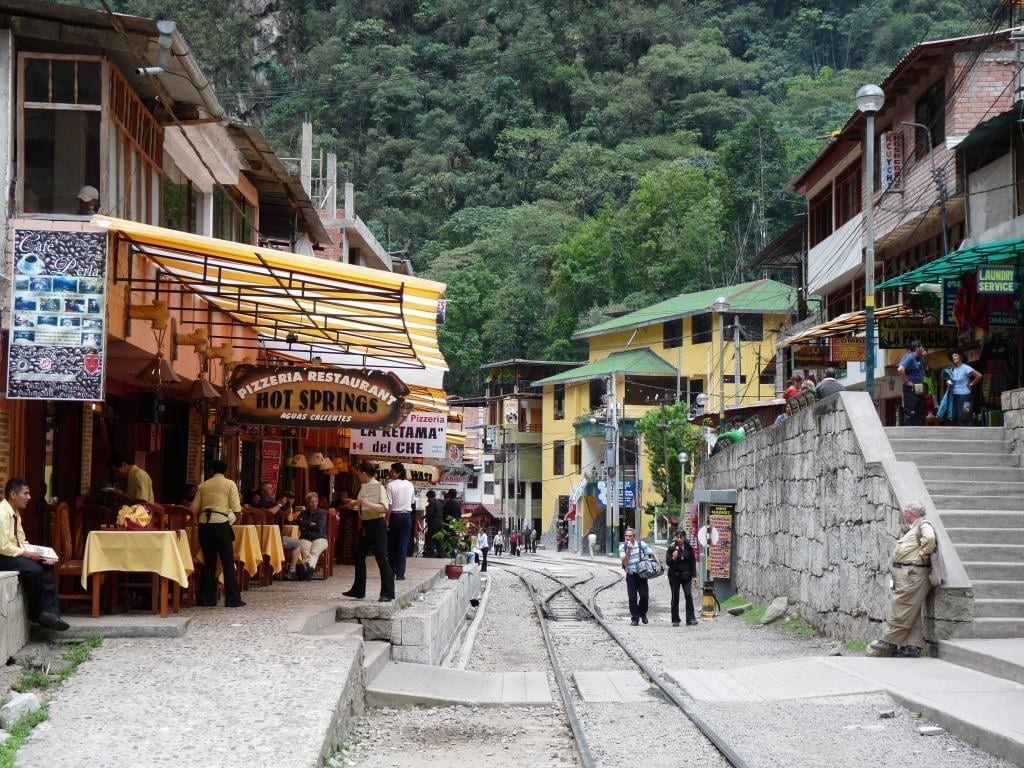
Travel by train from Ollantaytambo to Aguas Calientes, also called Machu Picchu Pueblo.
The train ride follows the Urubamba River through dramatic mountain scenery and gradually enters the cloud forest.
After arriving in Aguas Calientes:
- Check into your hotel
- Explore town
- Visit local cafés
- Relax before Machu Picchu
- Prepare your passport and tickets
Should You Stay Overnight Near Machu Picchu?
Yes. For a 14-day Peru itinerary, staying overnight in Aguas Calientes is strongly recommended. It creates a smoother and more enjoyable Machu Picchu experience.
Day 7: Visit Machu Picchu and Return to Cusco
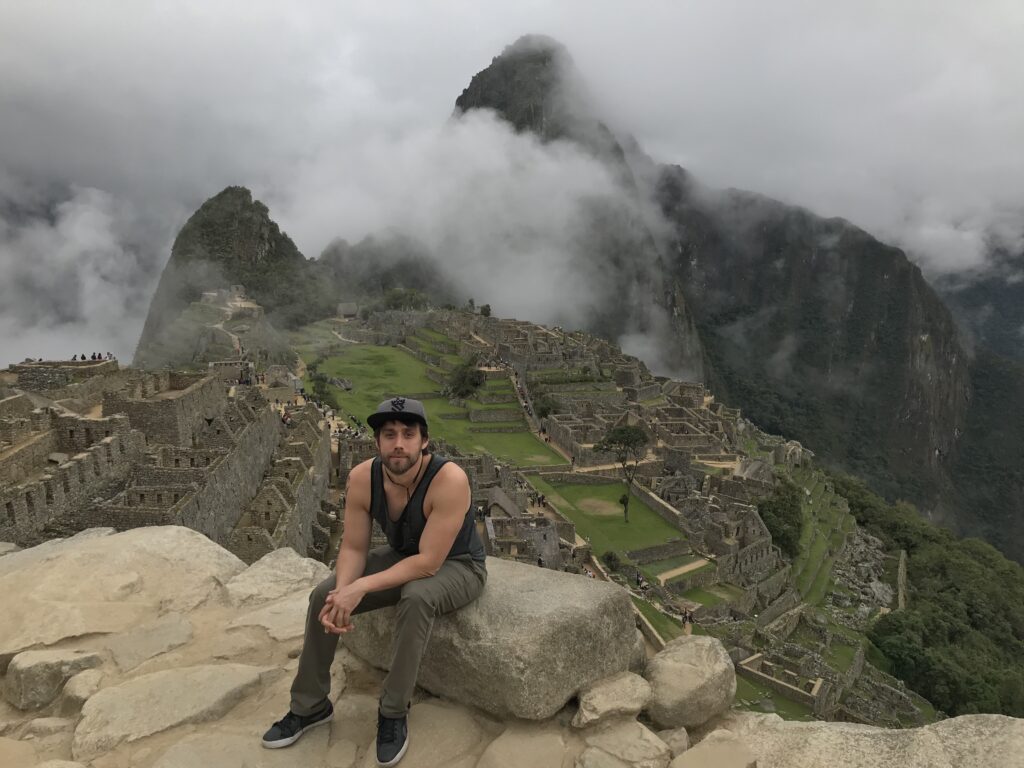
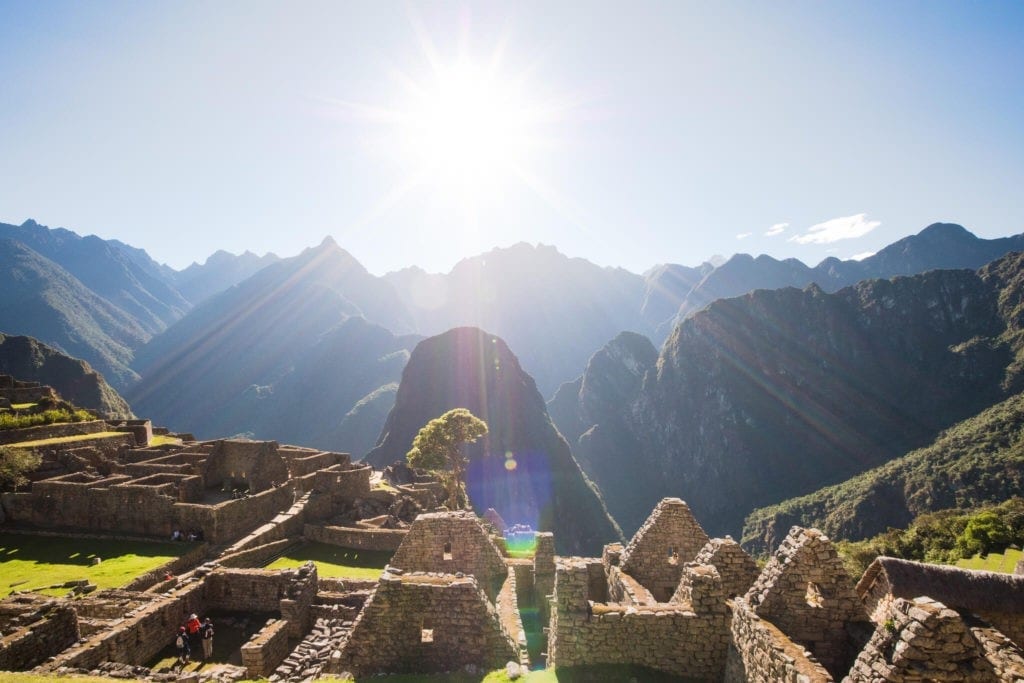
Day 7 is the highlight of the itinerary: Machu Picchu.
Take the shuttle bus from Aguas Calientes up to the archaeological site and explore with a guide.
Machu Picchu currently uses an official circuit system with 3 circuits and 10 routes, so your ticket determines which areas you can visit. (machupicchu.gob.pe)
For most first-time visitors, choosing the right circuit is extremely important because not all tickets provide the same viewpoints or route experience.
After your guided visit:
- Return to Aguas Calientes
- Take the train back toward Ollantaytambo
- Transfer to Cusco
Travel Specialist Tip
Do not choose Machu Picchu tickets at the last minute if the classic viewpoint is important to you. Better routes and entry times can sell out early.
Day 8: Explore Cusco
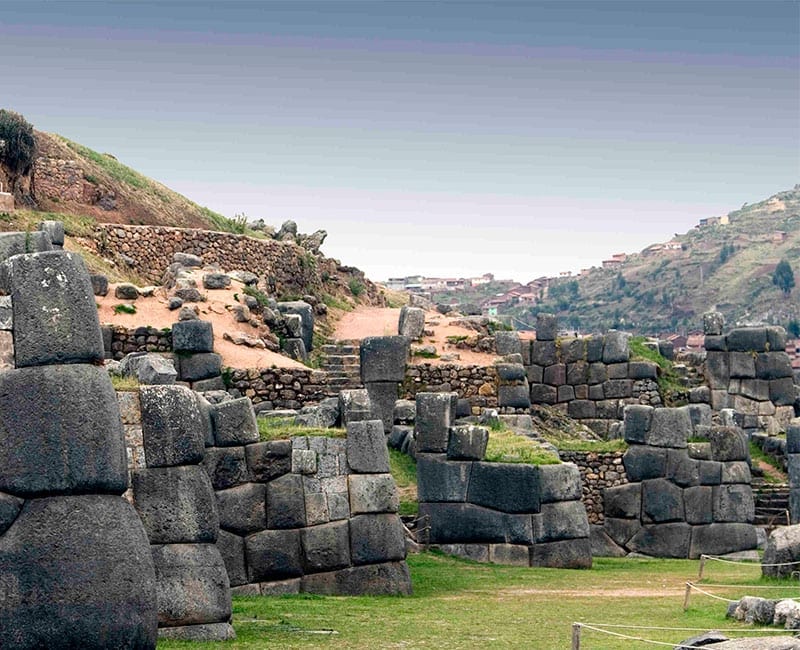
After acclimatizing in the Sacred Valley and visiting Machu Picchu, Cusco becomes much easier to enjoy.
Cusco combines:
- Inca foundations
- Colonial architecture
- Excellent restaurants
- Museums
- Markets
- Historic plazas
- Artistic neighborhoods
A well-balanced day may include:
- Plaza de Armas
- Koricancha
- San Blas
- San Pedro Market
- Sacsayhuaman
- Qenqo
- Tambomachay
Best Cusco Experience
For most travelers:
Cusco walking tour + nearby ruins + San Blas dinner
This creates a strong cultural day without overloading the itinerary.
Day 9: Flexible Cusco Experience
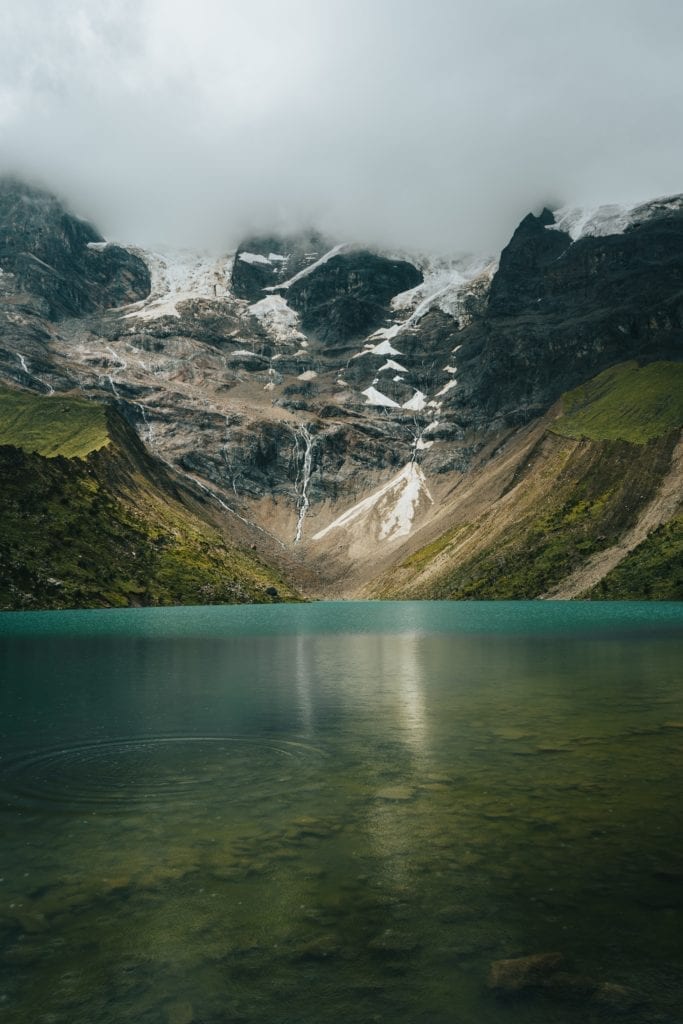
Use Day 9 for the experience that best fits your travel style.
Option 1: Rainbow Mountain
Best for:
- Active travelers
- Landscape lovers
- Photography
- Travelers comfortable with altitude
Option 2: Humantay Lake
Best for:
- Hikers
- Nature-focused travelers
- Mountain scenery
Option 3: South Valley
Best for:
- Slower cultural exploration
- Archaeology
- Less touristy experiences
Option 4: Relaxed Cusco Day
Best for:
- Couples
- Families
- Luxury travelers
- Food-focused travelers
A slower day can include:
- Cooking classes
- Chocolate workshops
- Shopping
- Spa experiences
- Local cafés
- Museum visits
Day 10: Fly to the Amazon

Fly from Cusco to Puerto Maldonado, one of the easiest Amazon gateways to combine with Machu Picchu and Cusco.
From Puerto Maldonado, continue by boat and lodge transfer into the rainforest.
The transition from the Andes to the Amazon is one of the most memorable contrasts in Peru.
What to Expect in the Amazon
The Peruvian Amazon offers:
- Wildlife
- River excursions
- Jungle trails
- Macaws
- Monkeys
- Caimans
- Giant trees
- Rainforest lodges
- Night walks
For many travelers, this becomes one of the most unexpected highlights of the trip.
Day 11: Amazon Excursions
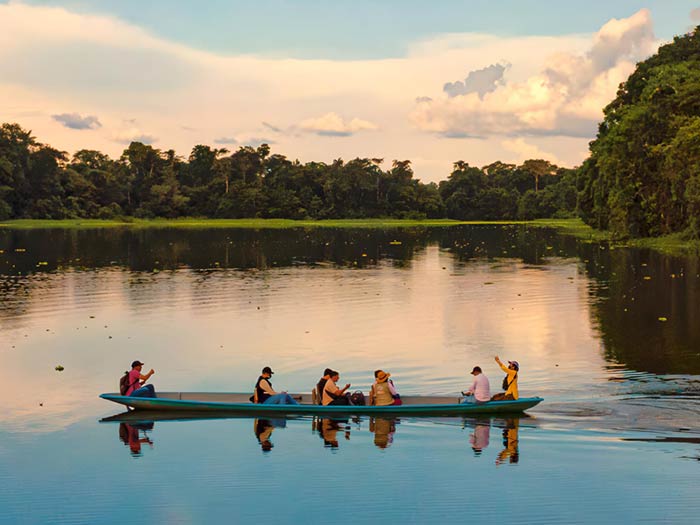
Amazon lodge activities vary depending on location and lodge style, but common experiences include:
- Canoe rides
- Wildlife spotting
- Forest walks
- Canopy towers
- River excursions
- Night safaris
- Indigenous community visits
The Amazon is very different from the Andes. The pace becomes slower, more nature-focused, and less schedule-heavy.
Day 12: Amazon Wildlife and Nature

Use your final full Amazon day for deeper rainforest exploration.
Possible activities include:
- Sunrise excursions
- Clay lick visits
- Fishing
- Birdwatching
- Lake excursions
- Additional forest trails
Best Length for an Amazon Stay
For most travelers, 3 nights is ideal. Shorter Amazon stays often feel rushed because transportation into the rainforest takes time.
Day 13: Return to Lima
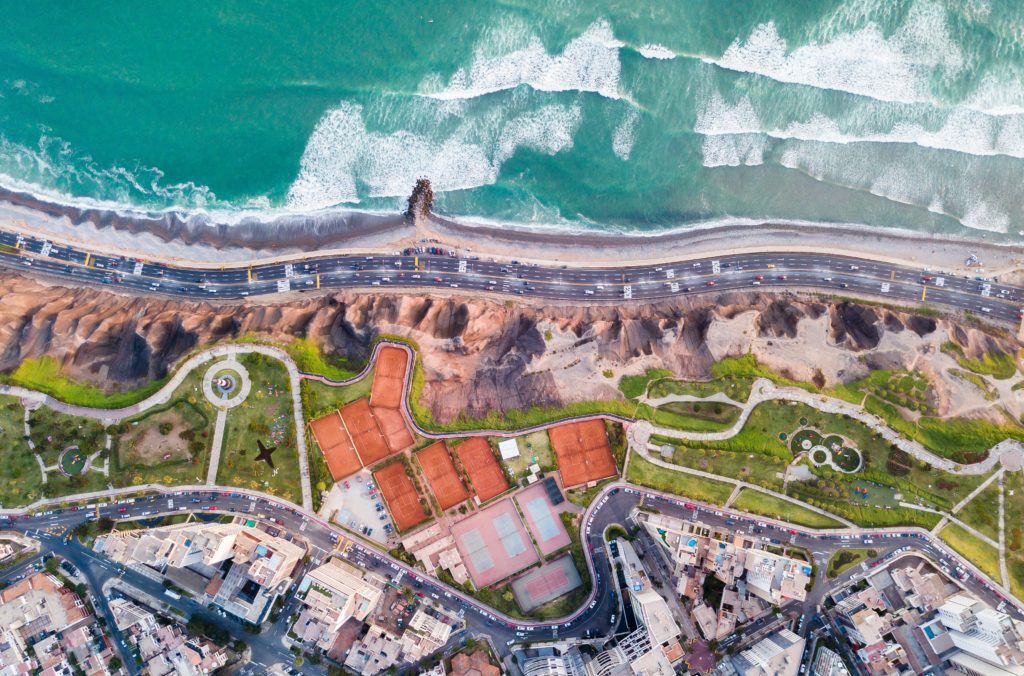
Return to Puerto Maldonado and fly back to Lima.
Use the evening for:
- A final seafood dinner
- Shopping
- Barranco nightlife
- Miraflores boardwalk
- A relaxed final night
Day 14: Depart Peru
Use your final morning for departure or a relaxed breakfast before your international flight.
A 14-day Peru itinerary provides a complete first experience of the country, combining coast, Andes, cloud forest, and rainforest into one trip.
Alternative 14-Day Peru Itinerary With Lake Titicaca
Some travelers prefer adding Lake Titicaca instead of the Amazon.
A Lake Titicaca version may include:
Lima → Sacred Valley → Machu Picchu → Cusco → Puno / Lake Titicaca → Lima
This route is ideal for travelers interested in:
- Andean culture
- Traditional communities
- High-altitude landscapes
- Island experiences
However, it involves more driving and higher altitude than the Amazon version.
Alternative 14-Day Peru Itinerary With Arequipa
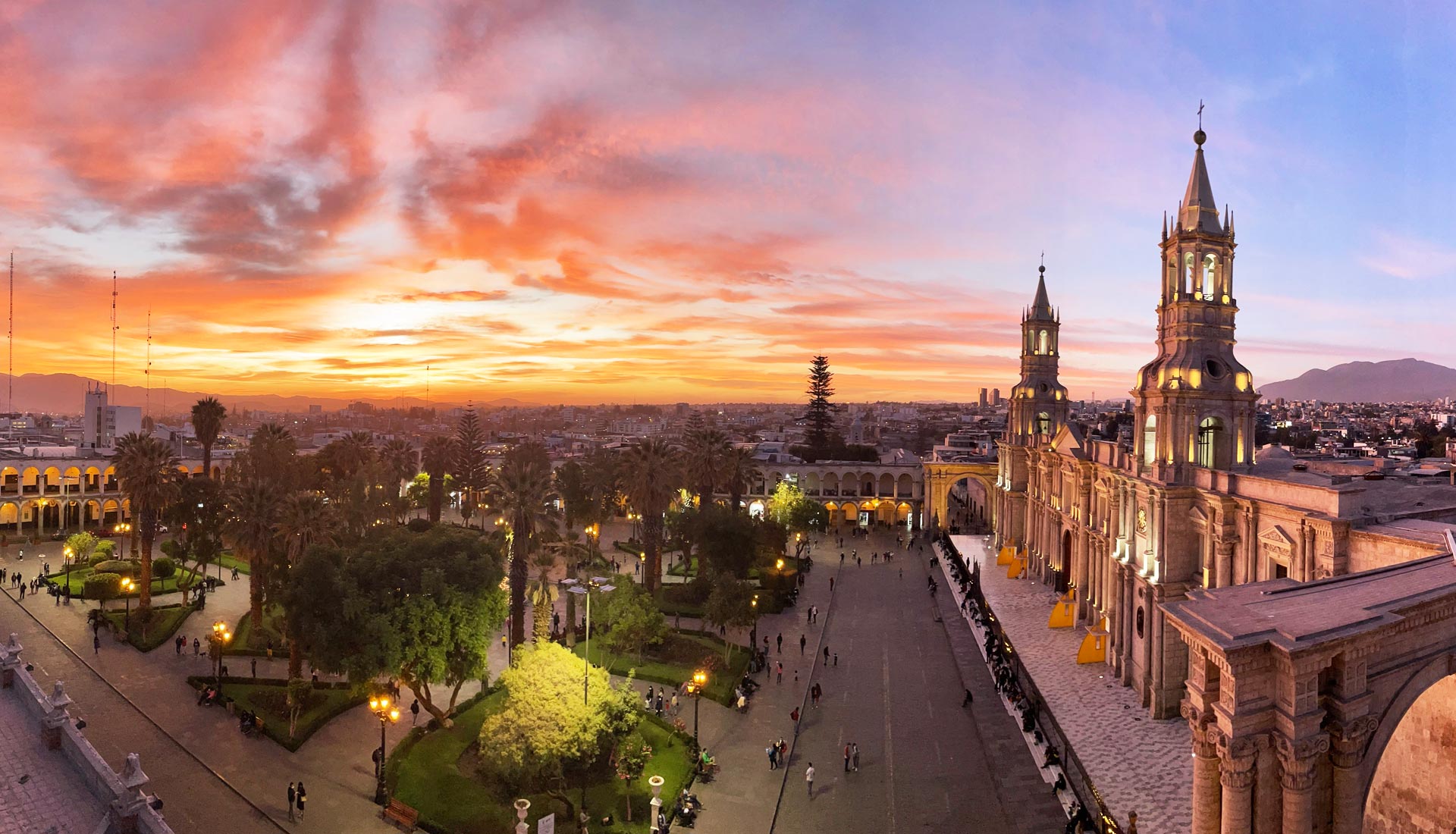
Arequipa and Colca Canyon can also fit into 14 days.
This version may include:
Lima → Sacred Valley → Machu Picchu → Cusco → Arequipa → Colca Canyon → Lima
Best for travelers interested in:
- Colonial cities
- Volcano scenery
- Condors
- Architecture
- Slower southern Peru travel
Best 14-Day Peru Itinerary for Different Travel Styles
Best 14-Day Peru Itinerary for First-Time Visitors
Lima → Sacred Valley → Machu Picchu → Cusco → Amazon → Lima
Best 14-Day Peru Itinerary for Couples
Focus on:
- Boutique hotels
- Scenic trains
- Private guides
- Relaxed pacing
- Romantic Sacred Valley hotels
Best 14-Day Peru Itinerary for Families
Use:
- Private transfers
- Slower pacing
- Sacred Valley-first acclimatization
- Comfortable hotels
Best 14-Day Peru Itinerary for Luxury Travelers
Add:
- Luxury Sacred Valley hotels
- Premium train services
- Private touring
- High-end Amazon lodges
- Curated food experiences
Best Time for a 14-Day Peru Trip
Good months for a 14-day Peru itinerary often include:
- April
- May
- June
- September
- October
These months are especially good for the Andes portion of the trip.
Rainy season travel is still possible, but travelers should prepare for changing weather conditions around Machu Picchu and Cusco.
Altitude Tips for a 14-Day Peru Itinerary
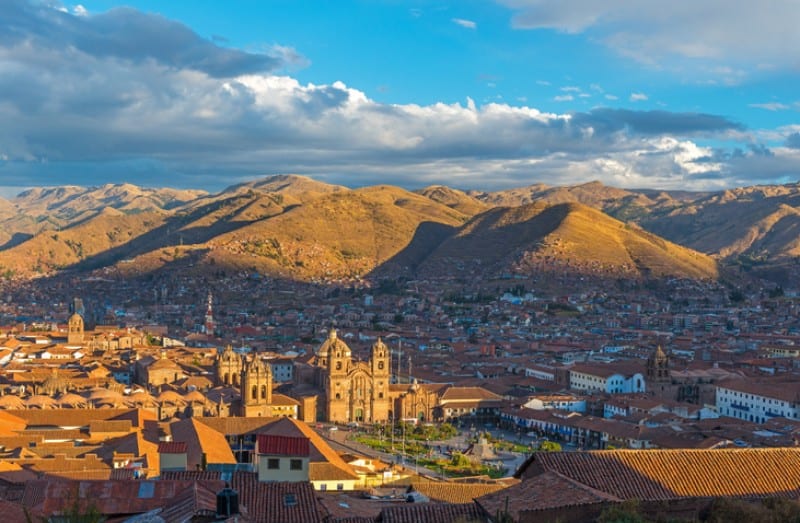
Altitude affects many travelers in Peru, especially in Cusco. When you figure out how many days to spend in Peru, remember to also include the time it will take you to fully adapt to the elevation. Usually, this can take 2-3 days.
Helpful tips include:
- Start in the Sacred Valley before Cusco
- Drink water regularly
- Avoid heavy meals on arrival
- Rest your first Andes day
- Do not schedule Rainbow Mountain immediately
- Sleep well
- Allow time to acclimate naturally
One advantage of a 14-day itinerary is that you have more time to adjust comfortably.
Final Advice: 14 Days Gives You the Best Balance of Peru
A 14-day Peru itinerary allows you to experience the country at the pace it deserves. You can enjoy Lima’s food culture, spend proper time in the Sacred Valley, visit Machu Picchu without rushing, explore Cusco more comfortably, and still add another major region such as the Amazon or Lake Titicaca.
For most first-time travelers, the ideal route is:
Lima → Sacred Valley → Machu Picchu → Cusco → Amazon → Lima
It combines Peru’s most iconic experiences while keeping the trip balanced, scenic, and rewarding from beginning to end.
Frequently Asked Questions About a 14-Day Peru Itinerary
Yes. Fourteen days is one of the best trip lengths for Peru because it allows you to combine the classic Andes route with another major region such as the Amazon or Lake Titicaca.
For most first-time visitors, the best 14-day Peru itinerary includes Lima, the Sacred Valley, Machu Picchu, Cusco, and the Amazon.
Yes, if you enjoy wildlife and nature. The Amazon adds a completely different side of Peru and works especially well in a 14-day itinerary.
For most travelers, the Sacred Valley works better first because it is generally lower and more relaxed than Cusco.
Yes. Two weeks is one of the best lengths for combining Machu Picchu and the Amazon comfortably.
No. Peru is a large and geographically diverse country. Fourteen days allows you to travel at a much more enjoyable pace than a shorter itinerary.
Good months often include April, May, June, September, and October.