
Last Updated on May 18, 2026 by Michael R. Barthelmess
For most first-time visitors, the best place to stay before Machu Picchu is the Sacred Valley, not Cusco. When you think about the Sacred Valley vs Cusco we need to weigh the advantages of each. The Sacred Valley is lower in altitude and offers a more relaxed scenario after a flight from Lima, it is closer to the main train route to Machu Picchu, and better suited for a smoother first night in the Andes.
Cusco is still essential. It is one of the most beautiful and important cities in Peru, and you should absolutely include it in your itinerary. But for many travelers, Cusco works better after Machu Picchu, once the body has had more time to adjust to the altitude.
A strong first-time Peru route is usually:
Lima → Cusco Airport → Sacred Valley → Machu Picchu → Cusco → Lima
This route feels more comfortable, reduces unnecessary backtracking, and makes the Machu Picchu portion of the trip easier to manage.
The best choice depends on your itinerary, flight arrival time, hotel preferences, altitude comfort, and how much time you have. But if you are planning a Peru tour package and want the smoothest route to Machu Picchu, the Sacred Valley-first approach is usually the better option.
Quick Answer: Sacred Valley or Cusco Before Machu Picchu?
If you are visiting Machu Picchu for the first time, stay in the Sacred Valley before Machu Picchu and stay in Cusco after Machu Picchu.
That is the general consensus, however there are caveats to each particular situation. If you value going out and exploring for a bit once you arrive in the highlands than I suggest you stay in Cusco. It is a beautiful city and there are restaurants, museums, cathedrals, coffee shops (which you can also visit after Machu Picchu) so in essence, there is a lot to see. If you value acclimatizing, being in a place that is less taxing on the body, want scenic views, and just want to relax for the first 24-48 hours then the Sacred Valley is the obvious choice.
| Question | Best Choice |
|---|---|
| Best first night after flying from Lima | Sacred Valley |
| Better for altitude adjustment | Sacred Valley |
| Best for train access to Machu Picchu | Sacred Valley, especially Ollantaytambo |
| Best for nightlife and restaurants | Cusco |
| Best for history and colonial architecture | Cusco |
| Best for a calmer start | Sacred Valley |
| Best for families | Sacred Valley first |
| Best for seniors | Sacred Valley first |
| Best for honeymoons | Sacred Valley first |
| Best for short itineraries | Sacred Valley before Machu Picchu, Cusco after |
| Best overall route | Lima → Sacred Valley → Machu Picchu → Cusco |
Ultimately, you will visit both locations. I’ve had clients who wanted to avoid Cusco at all costs but that is not really possible. You’ll still have to at least drive through the city and after you’ve properly accliamted it won’t feel much different than other locations. In most cases, the question should not be Sacred Valley or Cusco?
It should be which one should come first?
For a smoother trip, choose the Sacred Valley first and Cusco second after you’ve done the entire Aguas Calientes, Machu Picchu portion of the trip. A good Machu Picchu vacation package will be formulated around your preferred route. One of our travel advisors will be happy to put that together for you.
Choosing Where To Stay The First 48 Hours Matters
Many travelers look at a Peru map and assume they should fly to Cusco, stay in Cusco, visit Machu Picchu, and then continue from there. That route can work, and many travelers do it. But it is not always the most comfortable or efficient option. Sure, if you plan on exploring as soon as you arrive and have been in high elevation in the past (and successfully dealt with it), Cusco might seem like the right place. That’s not always the case for travelers. There are several things to consider when considering either the Sacred Valley vs Cusco to stay for the first couple of days.
The first day in the Andes matters. After arriving from Lima, you are suddenly going from sea level to high altitude. If you immediately stay in Cusco, you are sleeping at one of the highest points of the main tourist route. Some travelers feel fine, but others feel tired, lightheaded, short of breath, or simply slower than usual. In worst cases, travelers tend to have stomach issues and a headache.
The Sacred Valley gives you a gentler introduction to the region. It is lower, more relaxed, and naturally positioned between Cusco and Machu Picchu.
This is why many well-designed Peru itineraries start with the Sacred Valley, then continue to Machu Picchu, and finish with Cusco.
Sacred Valley vs Cusco: The Main Difference
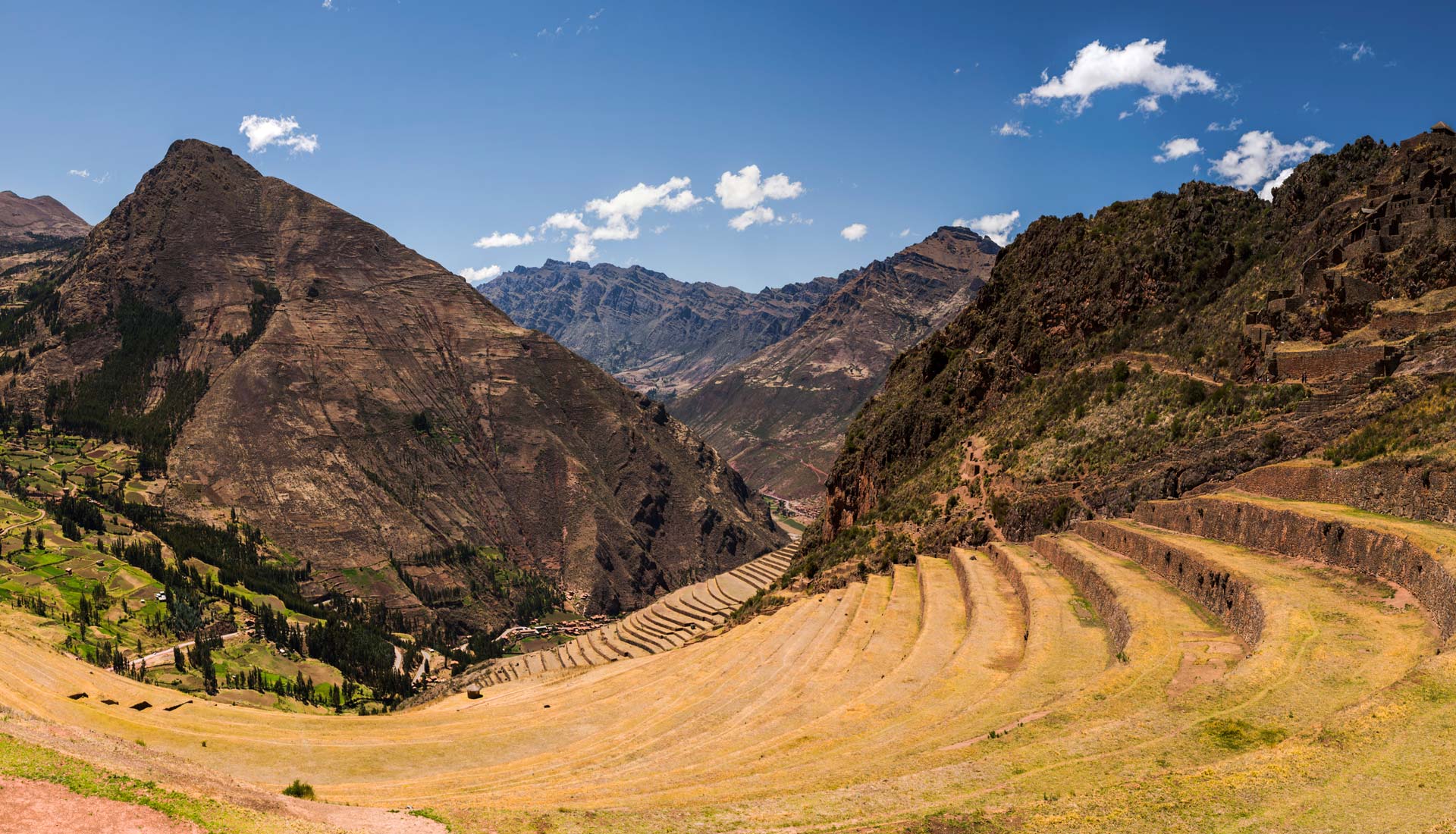
Cusco and the Sacred Valley are close to each other, but they feel very different. When I say close to each other I mean they are around an hour and a half to two hours apart, depending on which part of Urubamba (The Sacred Valley) you are headed.
Cusco is significantly higher than most of the Sacred Valley.
Cusco: about 11,152 ft / 3,399 m
Sacred Valley: usually around 9,000–9,700 ft / 2,740–2,960 m, depending on the town.
So the difference is roughly:
1,400 to 2,100 ft lower than Cusco
or about
430 to 650 meters lower than Cusco
A few common Sacred Valley towns:
| Place | Approx. Elevation | Difference from Cusco |
|---|---|---|
| Cusco | 11,152 ft / 3,399 m | — |
| Pisac | 9,751 ft / 2,972 m | ~1,400 ft / 427 m lower |
| Urubamba | 9,420 ft / 2,870 m | ~1,730 ft / 529 m lower |
| Ollantaytambo | 9,160 ft / 2,792 m | ~2,000 ft / 607 m lower |
That is why I keep recommending Sacred Valley before Cusco for many itineraries. It is still high-altitude travel, but it usually feels easier than sleeping in Cusco immediately after flying in from Lima.
Why Stay in Cusco
Cusco is a historic city with Inca walls, colonial churches, museums, restaurants, plazas, markets, and nightlife. It is culturally rich, walkable, atmospheric, and one of the most important cities in South America.
Cusco is best for:
- History
- Architecture
- Restaurants
- Museums
- Nightlife
- Markets
- City walks
- Nearby ruins
- Starting some treks and day trips
The tradeoff is altitude. Cusco is high, and many travelers feel it more strongly when they arrive directly from Lima. Remember you are going from sea level to over 11,000 feet in a matter of an hour and a half. Don’t expect to arrive and walk for hours on end, eat whatever you want, or have some Pisco sours at your hotel (definitely no alcohol for the first couple of days).
Why Stay in The Sacred Valley
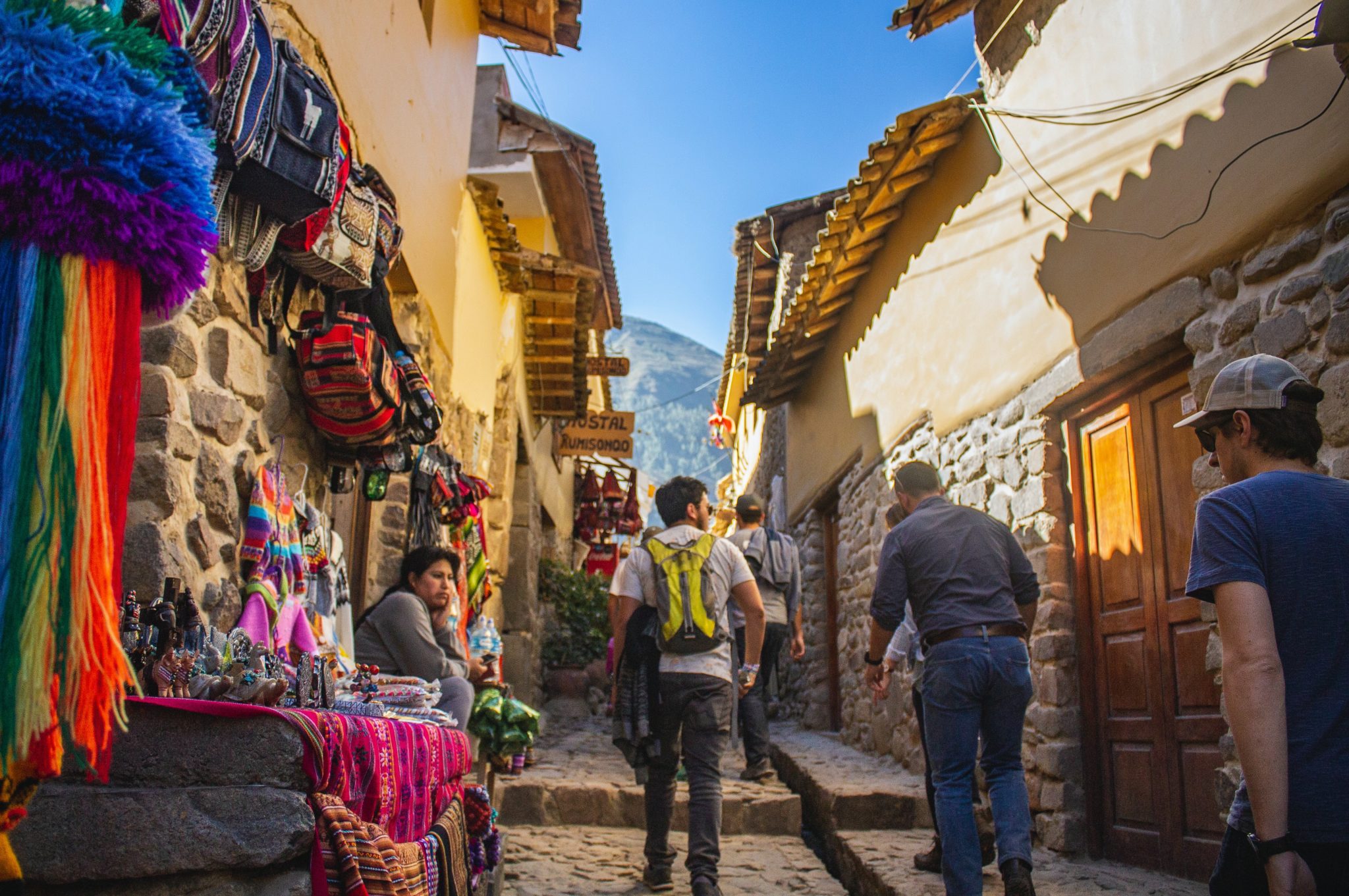
The Sacred Valley is a region of Andean towns, rivers, mountains, farms, Inca ruins, markets, and countryside hotels. It includes places such as Pisac, Urubamba, Yucay, Ollantaytambo, Chinchero, Maras, and Moray.
The Sacred Valley is best for:
- Altitude adjustment
- Relaxed hotels
- Scenic landscapes
- Inca sites
- Cultural experiences
- Train access to Machu Picchu
- Families
- Couples
- Private tours
- A calmer first night
The tradeoff is that it is more spread out than Cusco; unless you are in downtown Urubamba you can’t really get out and walk around the valley. You will usually need private transportation or organized touring to move between towns and sites comfortably. Travelers will typically stay on their hotel’s property until private transportation arrives to start a tour or take them to their desired destination.
Why the Sacred Valley Is Usually Better Before Machu Picchu
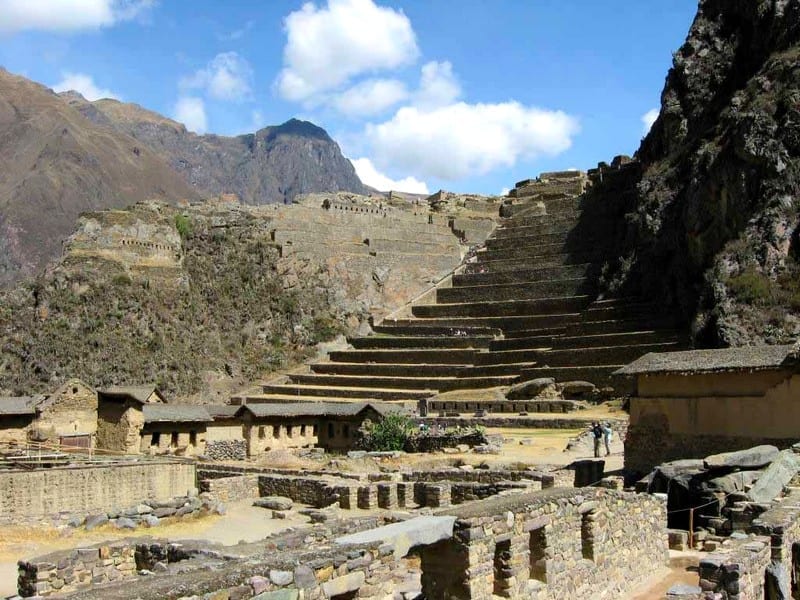
The Sacred Valley is better before Machu Picchu because it sits at a lower elevation than Cusco. There are other important reasons as well that make logistical sense.
1. The Sacred Valley Is Generally Lower Than Cusco
Altitude is one of the biggest reasons to stay in the Sacred Valley before Machu Picchu.
Cusco sits high in the Andes, while many Sacred Valley towns are lower. That difference can make the first night feel easier for many travelers.
This does not mean the Sacred Valley has no altitude. It is still in the Andes. But compared with Cusco, it often feels more comfortable for travelers arriving from sea level.
A common mistake is flying from Lima to Cusco and immediately planning a busy city tour, ruins visit, or full day of walking. Some travelers can handle that, but many would be better served by transferring into the Sacred Valley and keeping the first day light.
2. The Sacred Valley Is Closer to the Train Route
Most travelers reach Machu Picchu by taking the train to Aguas Calientes, also known as Machu Picchu Pueblo.
One of the most important train stations is in Ollantaytambo, which is located in the Sacred Valley. If you are already staying in the valley, your train day is usually easier than starting from Cusco.
This is one of the biggest logistical advantages of the Sacred Valley.
Instead of waking up early in Cusco, driving to Ollantaytambo, and then boarding the train, you can stay closer to the station and make the day feel less rushed.
3. It Creates a Better Travel Flow
A well-paced route looks like this:
Lima → Cusco Airport → Sacred Valley → Ollantaytambo → Aguas Calientes → Machu Picchu → Cusco
This route moves naturally through the region.
You arrive in the Andes, settle into the Sacred Valley, visit nearby sites, take the train toward Machu Picchu, and then finish in Cusco once you are better acclimated.
The alternative often looks like this:
Lima → Cusco → Sacred Valley → Machu Picchu → Cusco
That can still work, but it often involves more backtracking.
4. It Feels Calmer After a Flight
After flying from Lima, many travelers are tired. You may have come from an international flight the day before, woken up early for the domestic flight, and landed at altitude.
The Sacred Valley gives you a softer landing.
Instead of going straight into the busy streets and hills of Cusco, you can drive through scenic countryside, check into a valley hotel, have a relaxed meal, and rest. There is not a lot that can beat a beautiful view in a gorgeous property while sipping on a Mate de Coca (Coca leaf tea) as you hear the birds chirp.
This is especially helpful for:
- Families
- Seniors
- Honeymooners
- Luxury travelers
- First-time visitors
- Travelers concerned about altitude
- Anyone arriving after a long international flight
5. The Sacred Valley Has Excellent Hotels
The Sacred Valley has some of the best hotel experiences in the Cusco region.
Many travelers enjoy staying in the valley because hotels can feel more spacious, scenic, and resort-like than city hotels in Cusco. You can find boutique properties, luxury hotels, wellness-focused stays, and countryside lodges with mountain views. There are yoga studios, locations for corporate retreats, and other specialty services within this valley.
For honeymoons, family trips, and luxury Peru itineraries, the Sacred Valley can be one of the most enjoyable parts of the trip.
6. You Can Visit Major Inca Sites Before Machu Picchu
The Sacred Valley is not just a place to sleep before the train. It is one of the most important cultural regions in Peru. There are ruins scattered all across the Sacred Valley, which are impressive in their own right.
Before visiting Machu Picchu, you can explore:
- Pisac ruins and market
- Ollantaytambo fortress
- Chinchero weaving traditions
- Maras Salt Mines
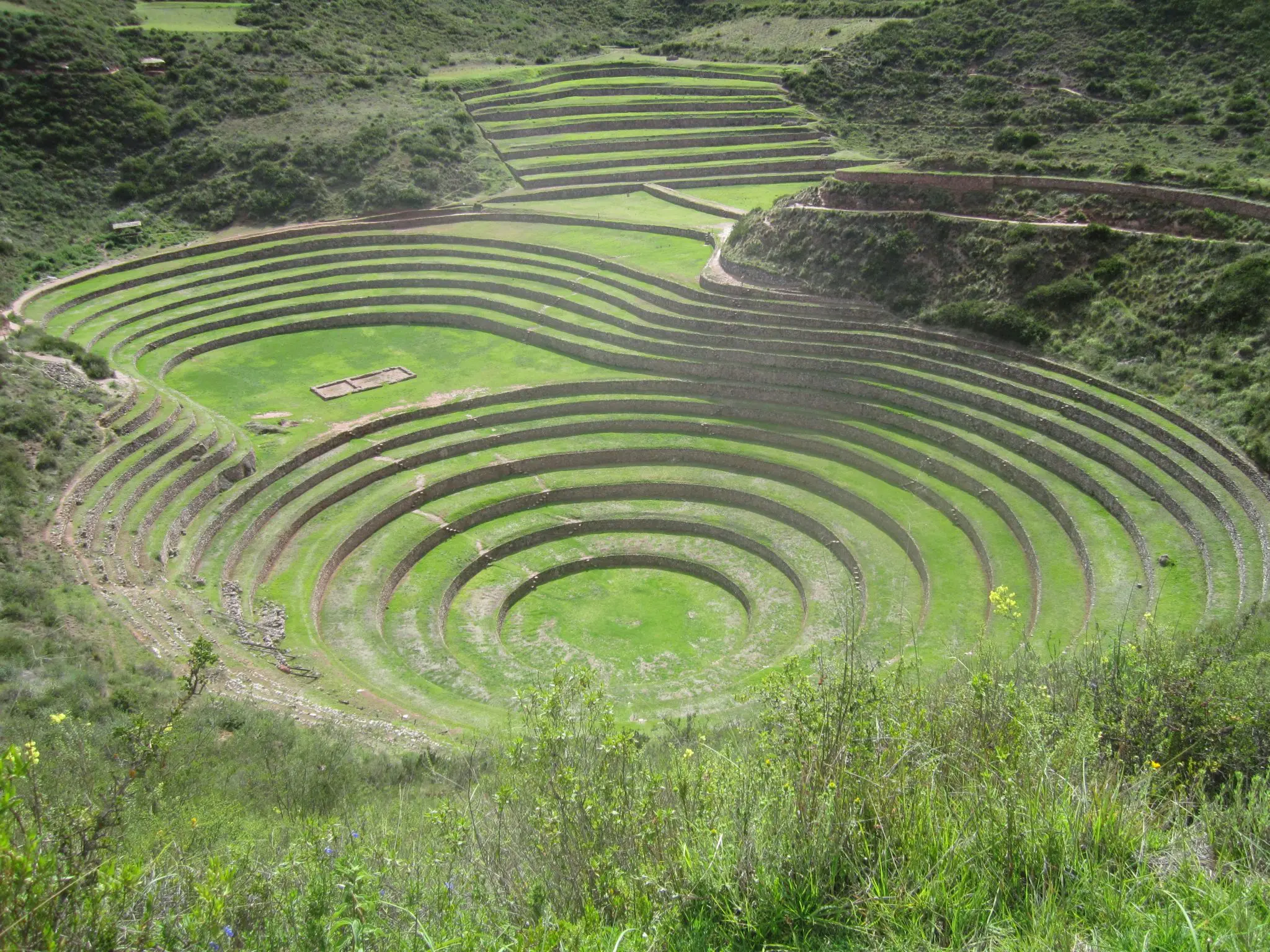
- Moray agricultural terraces
- Urubamba Valley
- Local communities and workshops
Seeing the Sacred Valley first gives useful context before Machu Picchu. You begin to understand Inca engineering, agriculture, terraces, roads, and settlement patterns before arriving at the famous citadel.
When Cusco Is Better Before Machu Picchu
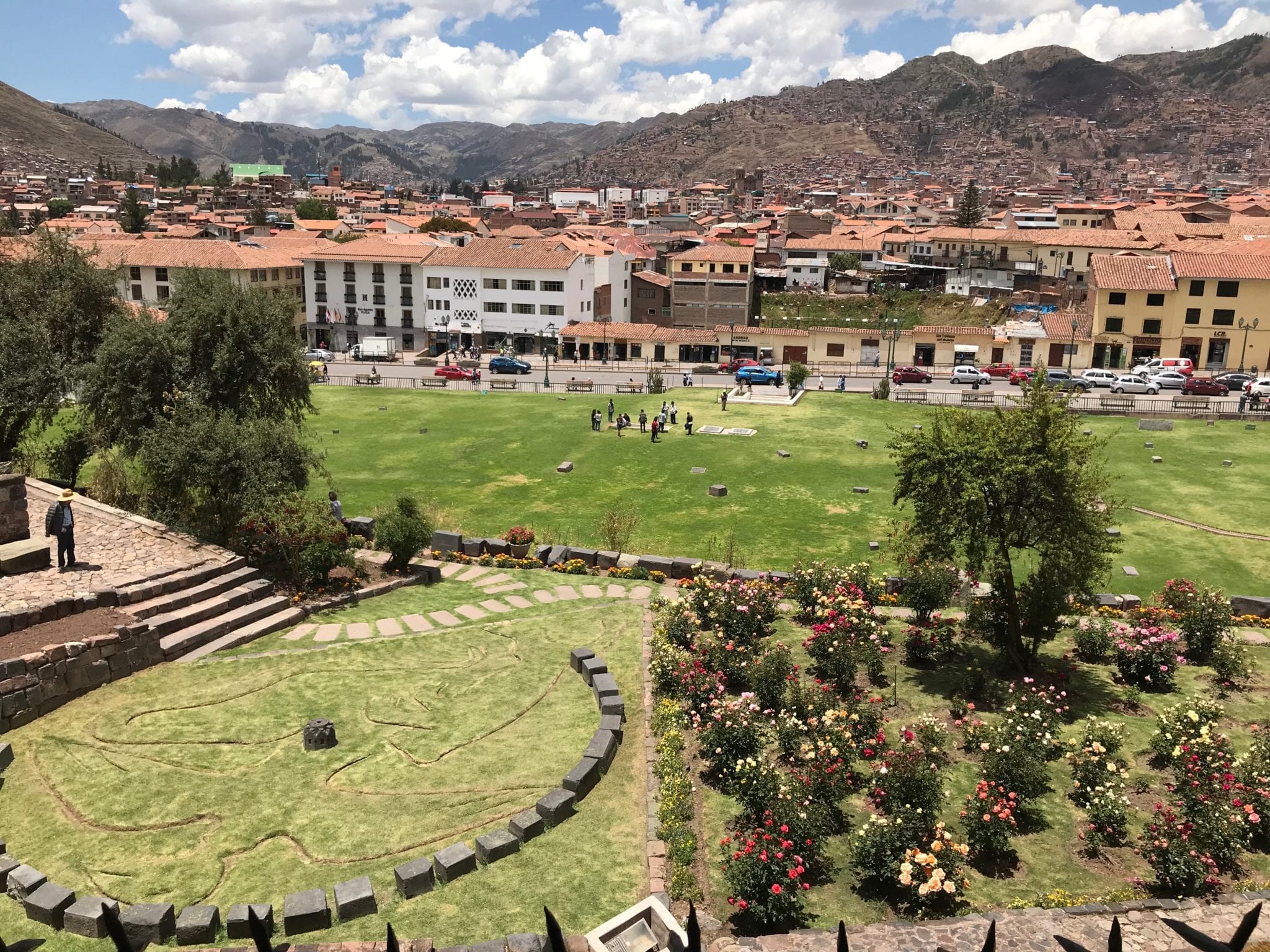
Although I usually recommend the Sacred Valley first, Cusco can still be the better choice in some situations. I mostly recommend Cusco when the travelers have experience in high elevation destinations or have particular demands in their Peru tour package or a certain arrival times at the Cusco airport.
1. You Arrive Late in the Day
If your flight lands late in Cusco, continuing into the Sacred Valley may not make sense. The drive can take additional time, and mountain roads are not always ideal late at night. You’re already in Cusco and might just want to rest instead of traveling 2 hours before finally checking in at your Sacred Valley hotel.
In that case, it may be better to stay one night in Cusco and continue to the Sacred Valley the next morning or just make Cusco your base if you acclimate quickly.
2. You Have Very Limited Time
If you only have a very short trip, such as 3 or 4 days, staying in Cusco may be simpler. Cusco has more hotel options, restaurants, tour departures, and direct services. A short trip may not allow enough time to properly enjoy both Cusco and the Sacred Valley in all their glory.
3. You Want City Energy Immediately
Some travelers love arriving directly into the energy of Cusco. If you want restaurants, plazas, shopping, nightlife, and a walkable historic center right away, Cusco may be more appealing. The Sacred Valley is quieter. That is a benefit for many travelers, but not everyone wants a quiet first night. Some travelers stay on the idea that they are on vacation and would like to have as much fun as possible.
4. Your Tour or Train Schedule Requires It
Some fixed group itineraries are built around Cusco departures. If you are joining a group tour, your route may already be set. If this is the case than it makes sense to be in Cusco. It is where all of the group tours depart and is easy to get around on your own in case you have to meet a group.
Private and custom tours usually allow more flexibility.
Best Places to Stay in the Sacred Valley Before Machu Picchu
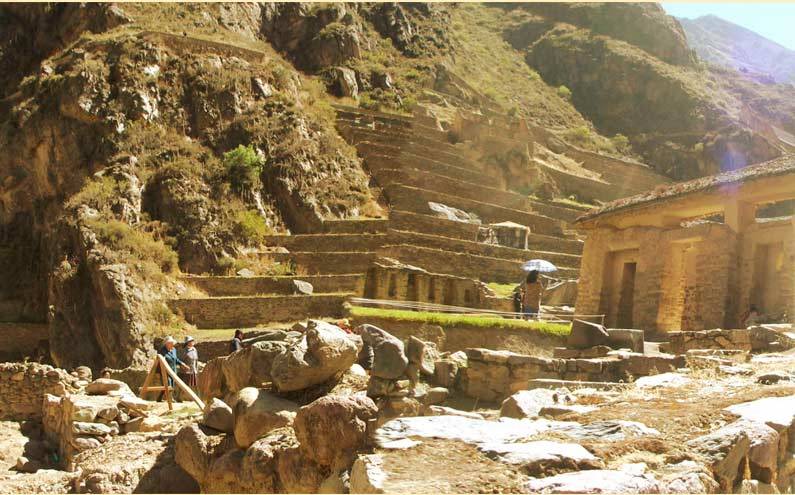
The Sacred Valley is not one single town. Where you stay in the Sacred Valley can also have a heavy weight on the rest of the trip. Some of the towns are more practical while others have nicer hotel properties or even have access to Inca ruins.
The Town of Ollantaytambo
Ollantaytambo is the most practical Sacred Valley base before Machu Picchu because it has the main train station used by many travelers. This is where you’ll board to head to Aguas Calientes to see Machu Picchu. There are also ruins you can spend the day exploring.
Stay in Ollantaytambo if you want:
- Easy train access
- A historic Inca town
- A walkable village
- A strong pre-Machu Picchu location
- Less transfer time on train day
Ollantaytambo is especially useful if you are taking the train to Aguas Calientes the next morning.
Urubamba
Urubamba is one of the most comfortable bases in the Sacred Valley. It has many hotels, good road access, and a central position for exploring the valley. The views are amazing as well.
Stay in Urubamba if you want:
- Comfortable hotels
- Scenic views
- A relaxed setting
- Good access to Maras, Moray, Ollantaytambo, and Pisac
- More resort-style options
Urubamba is a strong choice for families, couples, and luxury travelers.
Yucay
Yucay is quieter and smaller than Urubamba. It can be a good option for travelers who want calm surroundings and a traditional valley feel.
Stay in Yucay if you want:
- A quieter base
- Valley scenery
- A relaxed hotel experience
- Easy access to Urubamba and nearby sites
Pisac
Pisac is known for its market, ruins, scenery, and more bohemian atmosphere. It is closer to Cusco than Ollantaytambo, so it is not as convenient for the train, but it can be a good base for certain travelers.
Stay in Pisac if you want:
- Market culture
- A more relaxed or alternative atmosphere
- Access to Pisac ruins
- A slower Sacred Valley experience
For most first-time travelers focused on Machu Picchu logistics, I usually prefer Urubamba or Ollantaytambo as locations to stay the first couple of nights.
Best Places to Stay in Cusco
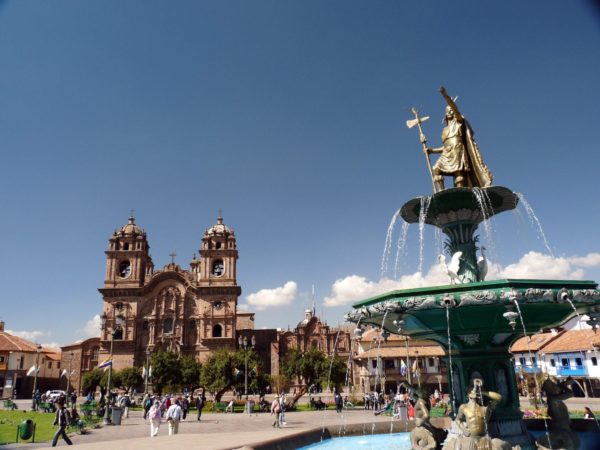
Cusco is an excellent place to stay after Machu Picchu. By that point, most travelers are better adjusted to the altitude and can enjoy the city more comfortably. There is a lot to see and tours to be a part of in the historic city of Cusco. Below is my list of the best places to stay in Cusco:
The Historic Center
The historic center is the best area for most first-time visitors. You will be close to Plaza de Armas, restaurants, museums, shops, churches, and walking routes.
Stay here if you want:
- Easy sightseeing
- Restaurants nearby
- Walkable access
- Classic Cusco atmosphere
- Convenient tour pickups
The San Blas Neighborhood
San Blas is a charming artistic neighborhood above the historic center. It has boutique hotels, cafés, galleries, and beautiful streets.
Stay here if you want:
- Boutique atmosphere
- Views
- Art and cafés
- A romantic neighborhood feel
The tradeoff is that San Blas has hills and stairs, which can feel tiring at altitude. You might already be acclimated to the elevation, but are you ready for stairs? One benefit is that you get beautiful views of the city from San Blas.
Near Plaza de Armas (Main Square)
Staying close to Plaza de Armas is convenient, especially for first-time visitors. This area works well if you want easy access to restaurants, shops, and tours.
It can be busier, with plenty of local businesses, but the location is practical. If you need to purchase a SIM card or exchange currency, this is the place you’ll want to be near to.
How Many Nights Should You Spend in the Sacred Valley and Cusco?
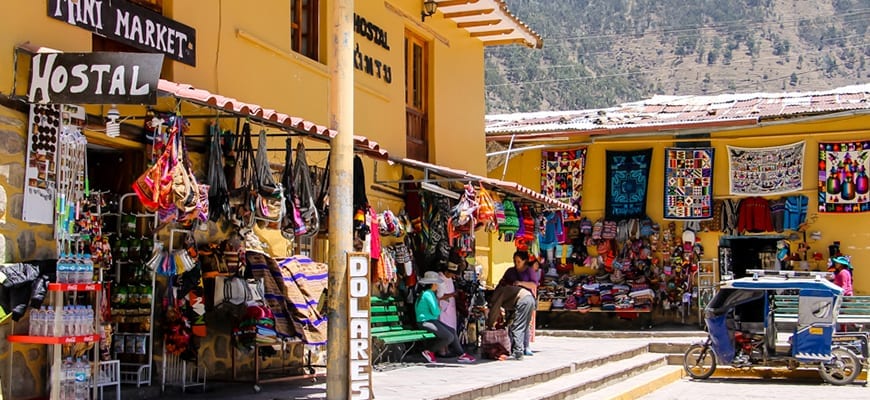
The ideal number of nights depends on your total trip length. In general you’ll probably want at least 1 or 2 nights in each location but let’s go over the itinerary options below:
If You Have 7 Days in Peru
A strong route is:
- 1 night Lima
- 2 nights Sacred Valley
- 1 night Aguas Calientes
- 2 nights Cusco
- 1 final night Lima or departure connection
For a 7-day trip, I would usually prioritize Sacred Valley before Machu Picchu and Cusco after.
If You Have 10 Days in Peru
A good 10 day itinerary route in Peru is:
- 2 nights Lima
- 2 nights Sacred Valley
- 1 night Aguas Calientes
- 3 nights Cusco
- 1 final night Lima
- 1 flexible night depending on flights or add-ons
This gives you enough time to enjoy both regions properly.
If You Have 14 Days in Peru
A 14-day itinerary gives you more flexibility:
- Lima
- Sacred Valley
- Aguas Calientes
- Machu Picchu
- Cusco
- Amazon, Lake Titicaca, Arequipa, or another extension
With two weeks, I would usually include at least 2 nights in the Sacred Valley and 2 to 3 nights in Cusco , so you can join a variety of group tours or private Peru tours that leave from the city.
Sacred Valley Before Cusco: Best Route for First-Time Visitors
For most first-time visitors, this is the tour package route I would recommend if you are heading to the Sacred Valley first:
Day 1: Arrive in Lima
Spend your first night in Lima after your international flight.
Day 2: Explore Lima
Visit Lima’s historic center, Larco Museum, Barranco, Miraflores, or enjoy a food-focused day.
Day 3: Fly to Cusco and Transfer to the Sacred Valley
Arrive in Cusco and continue directly to the Sacred Valley. Keep the day light.
Day 4: Sacred Valley Tour
Visit Pisac, Ollantaytambo, Maras, Moray, or Chinchero depending on your interests.
Day 5: Train to Aguas Calientes
Travel by train from Ollantaytambo to Machu Picchu Pueblo.
Day 6: Visit Machu Picchu and Continue to Cusco
Tour Machu Picchu with a guide, return by train, and transfer to Cusco.
Day 7: Explore Cusco
Visit the historic center, San Blas, Koricancha, Sacsayhuaman, and nearby ruins.
This route works because it saves Cusco for the moment when most travelers are better adjusted to the altitude.
Sacred Valley vs Cusco for Different Travelers
First-Time Visitors
First-time visitors should usually stay in the Sacred Valley before Machu Picchu and Cusco afterward.
This gives the trip better pacing and makes the Machu Picchu route easier to understand.
Families
Families often do better in the Sacred Valley first. The region is calmer, hotels can be more spacious, and the schedule can feel less intense.
Private transfers and a slower route are especially helpful for families with children.
Seniors
Seniors or travelers concerned about altitude usually benefit from starting in the Sacred Valley. The lower altitude and calmer setting can make the first Andes nights easier.
Cusco can still be included afterward, with a more comfortable pace.
Honeymooners
Honeymooners often prefer the Sacred Valley first because it has beautiful hotels, mountain views, spa options, and a quieter atmosphere.
After Machu Picchu, Cusco adds history, restaurants, and city atmosphere.
Luxury Travelers
Luxury travelers should strongly consider starting in the Sacred Valley. Some of the region’s best hotels are designed for relaxation, scenery, wellness, and privacy.
This works well before Machu Picchu and creates a more elegant travel flow.
Budget Travelers
Budget travelers may prefer Cusco because it has more affordable lodging, restaurants, and tour departures.
However, even budget travelers can benefit from spending at least one night near Ollantaytambo before taking the train to Machu Picchu.
Sacred Valley vs Cusco: What’s good and bad about each
Staying in the Sacred Valley Before Machu Picchu
Pros
- Generally lower than Cusco
- Better for altitude adjustment
- Closer to Ollantaytambo train station
- Calmer first night in the Andes
- Excellent hotels and scenery
- Good for families, couples, seniors, and luxury travelers
- Natural route toward Machu Picchu
- Less rushed train day
Cons
- More spread out than Cusco
- Less nightlife
- Requires transport between towns
- Fewer restaurants compared with Cusco
- Not as convenient for some group tours
Staying in Cusco Before Machu Picchu
Pros
- More restaurants and nightlife
- More hotel options
- Walkable historic center
- Easy access to museums and ruins
- Convenient for some tours and treks
- Good for travelers who want city energy
Cons
- Higher altitude
- Can be tiring immediately after flying from Lima
- Farther from the Ollantaytambo train station
- More rushed if starting the Machu Picchu train day from Cusco
- Less relaxing for the first night in the Andes
Should You Stay Overnight in Aguas Calientes?
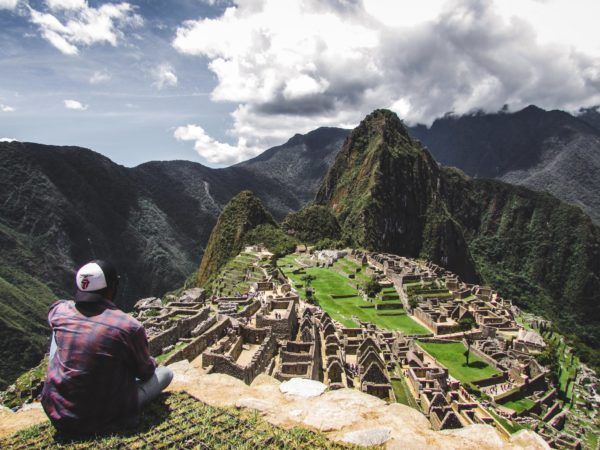
Yes, for most travelers, staying overnight in Aguas Calientes before visiting Machu Picchu creates a smoother experience. While it is understandable some travelers will prefer a Machu Picchu one day trip due to schedule constraints, it can feel quite rushed. I always prefer the two-day version.
A common route is:
Sacred Valley → Ollantaytambo train → Aguas Calientes overnight → Machu Picchu → Cusco
This works well because you wake up near Machu Picchu instead of starting the day from Cusco.
An overnight stay is especially useful for:
- First-time visitors
- Families
- Seniors
- Honeymooners
- Photographers
- Travelers with morning entry tickets
- Anyone who wants a less rushed visit
A day trip from Cusco is possible, but it is long. For a better experience, I usually prefer the overnight option.
Common Mistakes When Choosing Between Sacred Valley and Cusco
If you are still on the fence about which place to choose for the first few nights, try and avoid these mistakes:
- Assuming Cusco is always the best first base
- Ignoring altitude on the first day
- Booking a train before deciding where to stay
- Staying too far from the train station on a tight schedule
- Trying to see every Sacred Valley site in one day
- Visiting Machu Picchu immediately after arriving from Lima
- Underestimating travel time between Cusco and Ollantaytambo
- Choosing a hotel only by price, not location
- Skipping Cusco entirely
- Treating the Sacred Valley as just a transfer route
The best Peru itineraries are not only about choosing the right destinations. They are about putting them in the right order to minimize downtime.
My Final Thought The Sacred Valley vs Cusco For The First Few Nights
For most travelers, the best choice is to stay in the Sacred Valley before Machu Picchu and stay in Cusco after Machu Picchu.
This route is more comfortable, more logical, and better suited to how Peru travel actually works.
The Sacred Valley gives you a gentler start in the Andes, easier access to the train, beautiful hotels, important Inca sites, and a calmer setting before Machu Picchu. Cusco then becomes more enjoyable after you have had time to adjust to the altitude.
The best route for most first-time visitors is:
Lima → Cusco Airport → Sacred Valley → Machu Picchu → Cusco → Lima
If you want this route arranged with hotels, train tickets, Machu Picchu entrance, private transfers, and expert guides, our Peru tour packages can be customized around your dates, travel style, and preferred pace.
Frequently Asked Questions About Sacred Valley vs Cusco
For most travelers, it is better to stay in the Sacred Valley before Machu Picchu. The Sacred Valley is generally lower than Cusco, closer to the train route, and more relaxed after flying from Lima.
Yes, many travelers benefit from visiting the Sacred Valley before Cusco. This route can help with altitude adjustment and creates a smoother path toward Machu Picchu.
Yes, many Sacred Valley towns are lower than Cusco, which can make them more comfortable for the first night in the Andes.
Yes. Cusco is absolutely worth visiting. The best route for many travelers is to stay in the Sacred Valley before Machu Picchu, then stay in Cusco afterward.
Ollantaytambo is one of the best places to stay before taking the train to Machu Picchu because it has a major train station and is located in the Sacred Valley.
Ollantaytambo is often better than Cusco the night before the train to Machu Picchu because it is much closer to the train route and makes the travel day easier.
Most travelers should spend 1 to 2 nights in the Sacred Valley. Two nights is better if you want to tour the valley at a comfortable pace before continuing to Machu Picchu.
Most travelers should spend 2 to 3 nights in Cusco, especially after visiting Machu Picchu. This gives you time to explore the city, nearby ruins, markets, restaurants, and museums.
Families usually do better staying in the Sacred Valley first. It is calmer, generally lower than Cusco, and better suited for a more comfortable start in the Andes.
Honeymooners often enjoy staying in the Sacred Valley before Machu Picchu because the region has romantic hotels, mountain views, quieter surroundings, and a more relaxed pace.