
Last Updated on October 14, 2026 by Michael R. Barthelmess
Planning a trip to Peru is easier when you understand the country’s geography, travel seasons, altitude, transportation, and the amount of time you need for each region. For most first-time travelers, the best Peru itinerary includes Lima, Cusco, the Sacred Valley, and Machu Picchu, with optional extensions to the Amazon, Lake Titicaca, Arequipa, Colca Canyon, Paracas, or the Nazca Lines.
For a well-paced first trip, plan on 7 to 10 days if you want to see Lima, Cusco, the Sacred Valley, and take the Machu Picchu hike. If you have 12 to 14 days, you can add Lake Titicaca, Arequipa, Colca Canyon, or the Amazon. For a deeper Peru vacation, three weeks gives you enough time to experience the coast, Andes, jungle, and lesser-visited regions without rushing.
Peru is not difficult to visit, but it does require good planning. Machu Picchu tickets are timed and route-based, domestic flights connect most major regions, and altitude can affect how you organize your itinerary. A smart Peru trip is not just about choosing places on a map. It is about putting them in the right order.
Quick Peru Trip Planning Checklist
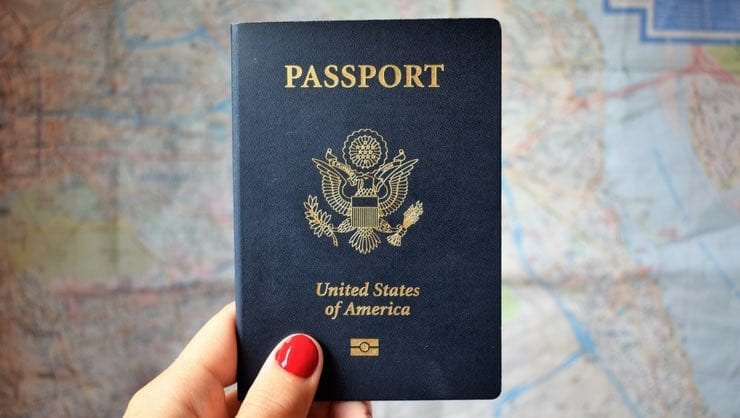
Before building your itinerary, start with these essentials:
- Check your passport validity.
- Decide how many days you can travel.
- Choose your main destinations.
- Plan around altitude, especially in Cusco and Lake Titicaca.
- Choose the best season for your travel style.
- Book Machu Picchu tickets, trains, hotels, and domestic flights early.
- Decide whether you want a private tour, small group tour, or custom Peru vacation package.
- Leave room in the itinerary for rest, delays, and acclimatization.
How Many Days Do You Need in Peru?
For most travelers, 7 days is the minimum for a classic Peru trip with Lima, Cusco, the Sacred Valley, and Machu Picchu. A better first-time itinerary is usually 10 days, because it gives you more time to adjust to altitude and enjoy the Sacred Valley without feeling rushed.
Here is a simple way to think about trip length:
| Trip Length | Best For |
|---|---|
| 5 days | A very short Machu Picchu-focused trip |
| 7 days | Lima, Cusco, Sacred Valley, and Machu Picchu |
| 10 days | A better-paced first Peru vacation |
| 12–14 days | Machu Picchu plus Lake Titicaca, Arequipa, Colca, or Amazon |
| 3 weeks | A complete Peru itinerary with coast, Andes, jungle, and culture |
If this is your first time in Peru, avoid trying to see everything in one week. Peru looks simple on a map, but travel between regions takes time. A more focused itinerary usually creates a better experience.
Step 1: Decide What Kind of Peru Trip You Want
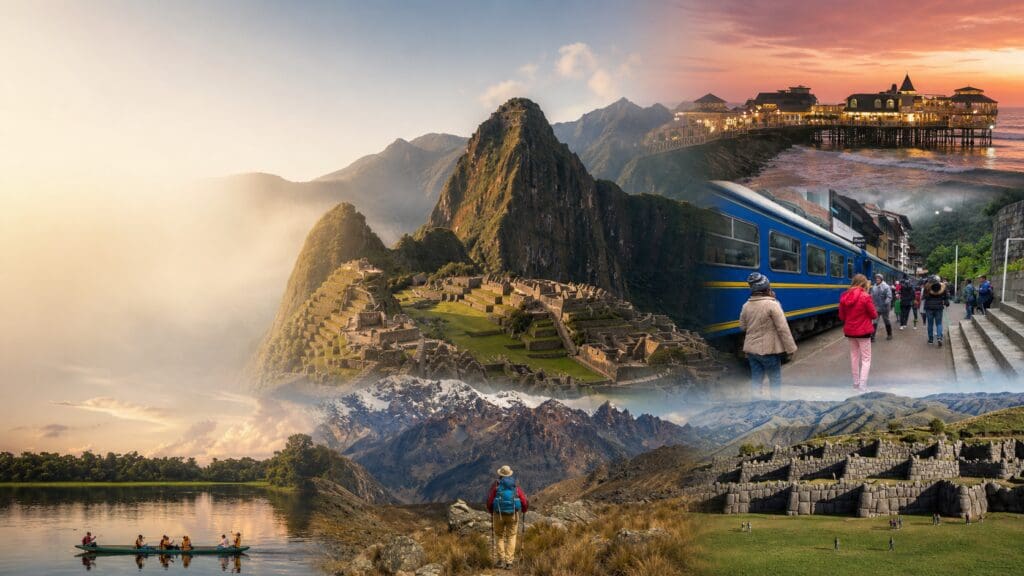
Peru can be planned in several different ways depending on your interests.
Classic First-Time Peru Trip
This is the most popular option. It usually includes:
- Lima
- Cusco
- Sacred Valley
- Machu Picchu
This itinerary works well for travelers who want history, culture, food, scenery, and the country’s most famous landmark.
Luxury Peru Vacation
A luxury Peru trip usually includes private guides, boutique or 5-star hotels, private transfers, premium train options to Machu Picchu, and carefully paced touring. This style works especially well in Lima, Cusco, the Sacred Valley, and Machu Picchu.
Adventure Peru Trip
An adventure itinerary may include the Inca Trail, Salkantay Trek, Rainbow Mountain, Humantay Lake, Colca Canyon, or Amazon rainforest excursions. These trips require more attention to altitude, fitness level, permits, and weather.
Family Peru Vacation
A family itinerary should be slower, more comfortable, and less altitude-aggressive. The Sacred Valley is often a better first stop than Cusco because it sits lower and gives families a gentler start in the Andes.
Peru Honeymoon
A honeymoon in Peru can combine Lima’s restaurants, boutique hotels in the Sacred Valley, a luxury train to Machu Picchu, spa properties, and a few nights in the Amazon or at Lake Titicaca.
Step 2: Choose the Best Places to Visit in Peru
Peru has three main travel regions: the coast, the Andes, and the Amazon. A strong itinerary usually combines at least two of them.
Lima
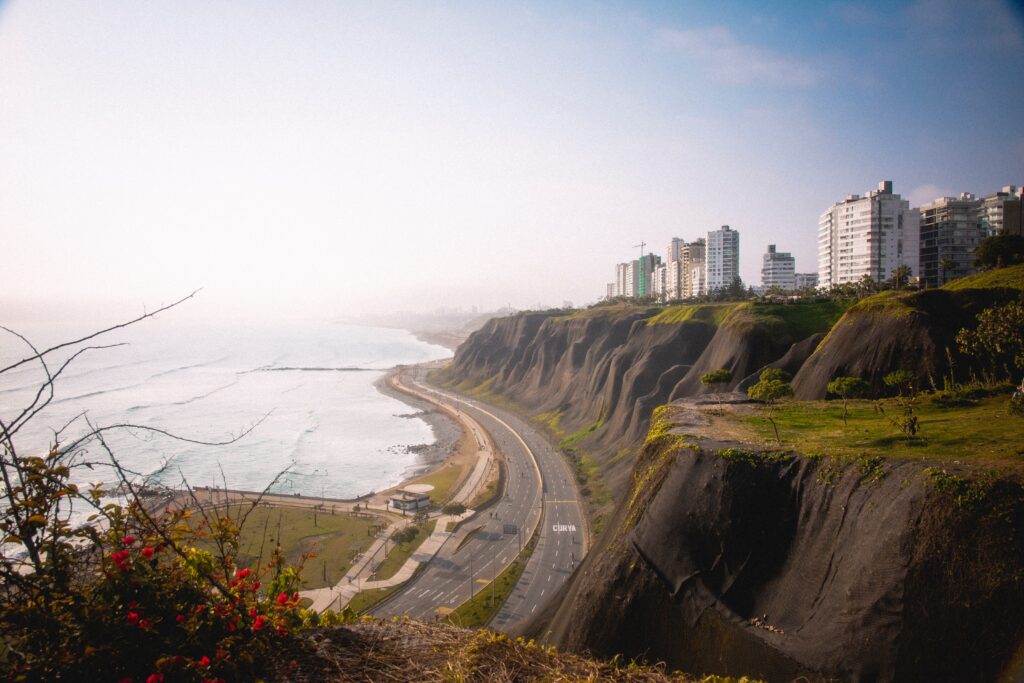
Most international travelers arrive in Lima. The capital is more than just a stopover. It is one of Latin America’s best food cities and a good place to recover after an international flight.
Spend 1 to 2 nights in Lima if you are short on time. Stay in Miraflores, Barranco, or San Isidro for easy access to restaurants, ocean views, museums, and safe walking areas.
Best for:
- Food
- Museums
- Coastal views
- First or final night in Peru
Cusco
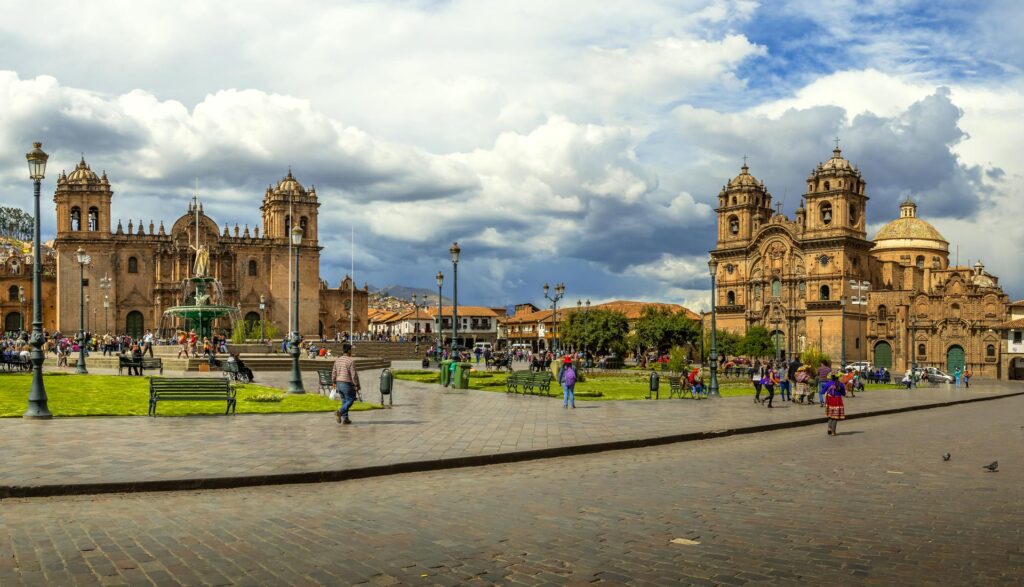
Cusco is the historic capital of the Inca Empire and the gateway to Machu Picchu. It is one of Peru’s most important destinations, but it sits at high altitude, so travelers should avoid overplanning the first day.
Spend 2 to 3 nights in Cusco if possible. Use the first day for light walking, the main square, San Pedro Market, Koricancha, and nearby restaurants.
Best for:
- Inca history
- Colonial architecture
- Markets
- Day trips
- Access to Sacred Valley and Machu Picchu
Sacred Valley
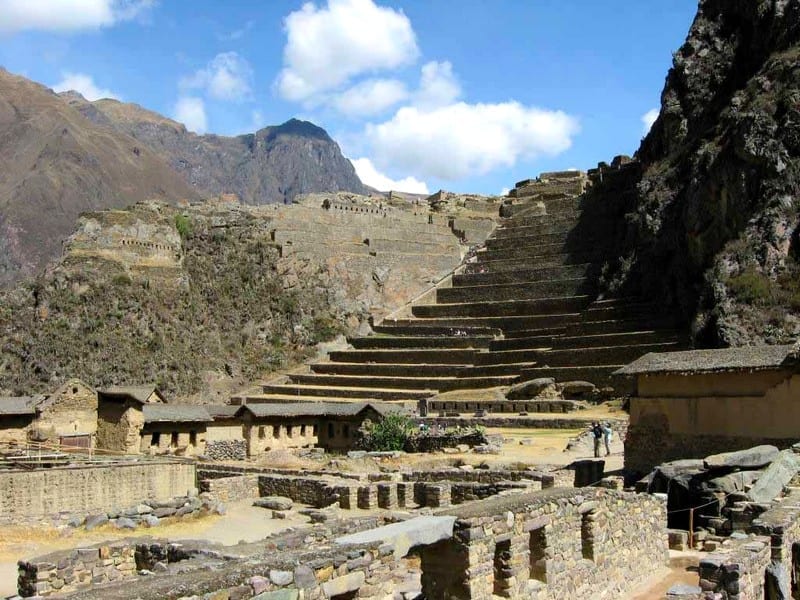
The Sacred Valley is one of the most useful places to include in a Peru itinerary. It is lower than Cusco, beautiful, and well located for visiting Pisac, Ollantaytambo, Chinchero, Maras, Moray, and Machu Picchu.
Spend 1 to 3 nights in the Sacred Valley depending on your itinerary. Many travelers do better by going to the Sacred Valley before spending several nights in Cusco because it helps with acclimatization.
Best for:
- Softer altitude adjustment
- Inca sites
- Scenic hotels
- Families
- Luxury travelers
- Access to the train to Machu Picchu
Machu Picchu
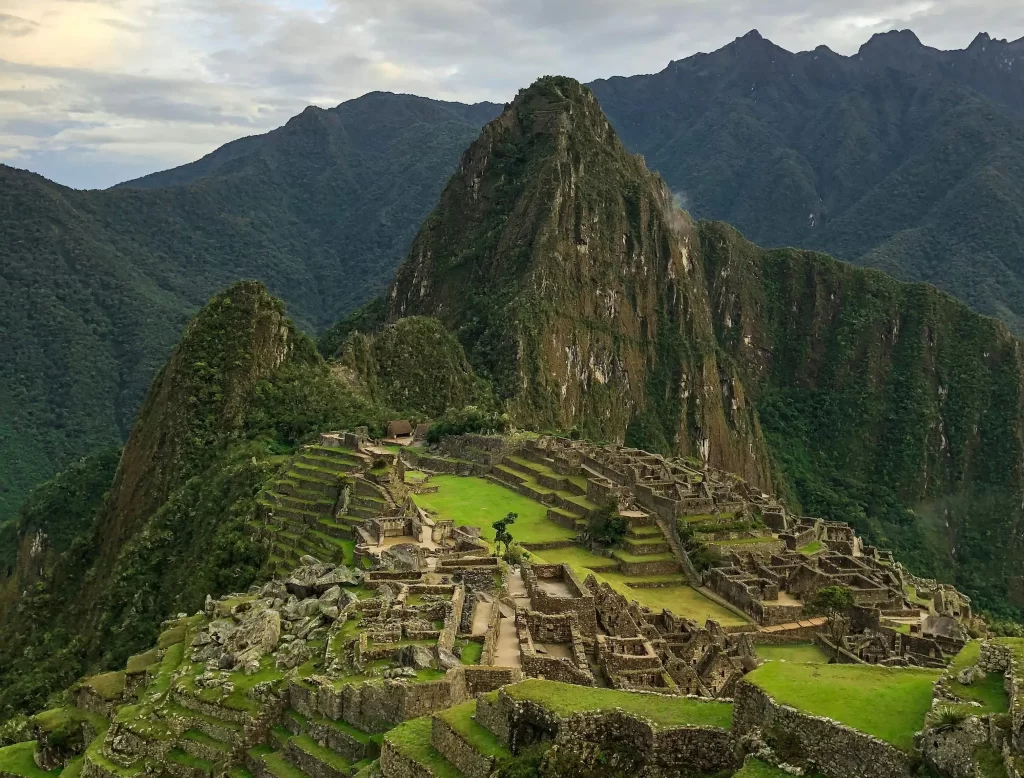
Machu Picchu is the highlight of most Peru vacations. To visit, you usually travel by train to Aguas Calientes, also known as Machu Picchu Pueblo, and then take a bus up to the archaeological site.
Machu Picchu now uses official timed tickets and defined visit circuits. The official Machu Picchu website lists three main circuits with multiple routes, and online ticket sales are handled through Peru’s official cultural ticketing platform.
For most travelers, the best experience is either:
- 1 night in Aguas Calientes, then Machu Picchu the next morning
- A full-day trip from Cusco or the Sacred Valley, if time is limited
Best for:
Compare our Machu Picchu tour options if you would like the entrance ticket, train and guided visit arranged together.
- Inca history
- Iconic views
- Photography
- Bucket-list travel
- Private guided tours
Arequipa and Colca Canyon
Arequipa is one of Peru’s most beautiful cities, known for its white volcanic-stone architecture, excellent food, and views of surrounding volcanoes. It is also the gateway to Colca Canyon.
Spend 2 nights in Arequipa and 1 to 2 nights in Colca Canyon if you want a richer southern Peru itinerary.
Best for:
- Colonial architecture
- Food
- Volcano views
- Condors
- Gradual altitude acclimatization
Lake Titicaca
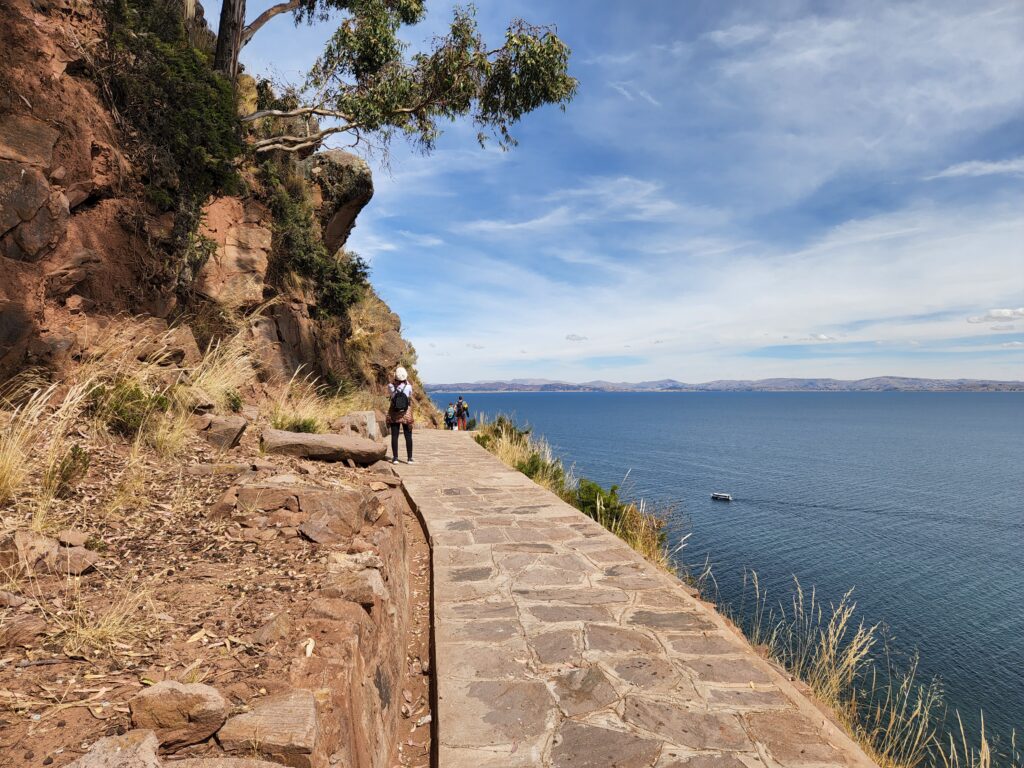
Lake Titicaca is located near Puno and is often added after Cusco or Arequipa. It is famous for the Uros floating islands, Taquile Island, and high-Andean culture.
Spend 1 to 2 nights if you want to include it. Keep in mind that Lake Titicaca is higher than Cusco, so it should be planned carefully.
Best for:
- Cultural travel
- Island visits
- Andean landscapes
- Longer Peru itineraries
Peruvian Amazon
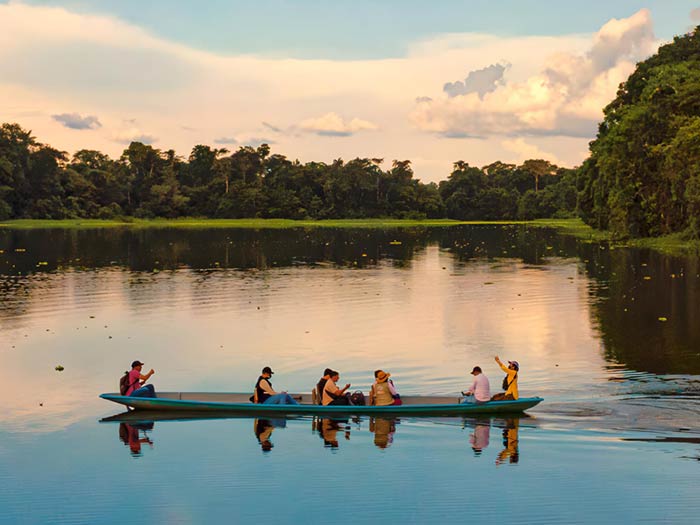
The Amazon can be visited from Puerto Maldonado or Iquitos. Puerto Maldonado is easier to combine with Cusco, while Iquitos is better for river cruises and deeper jungle experiences.
Spend 3 to 4 days for a worthwhile Amazon extension.
Best for:
- Wildlife
- Nature
- Lodges
- Families
- Photography
- Birdwatching
Paracas, Huacachina, and Nazca
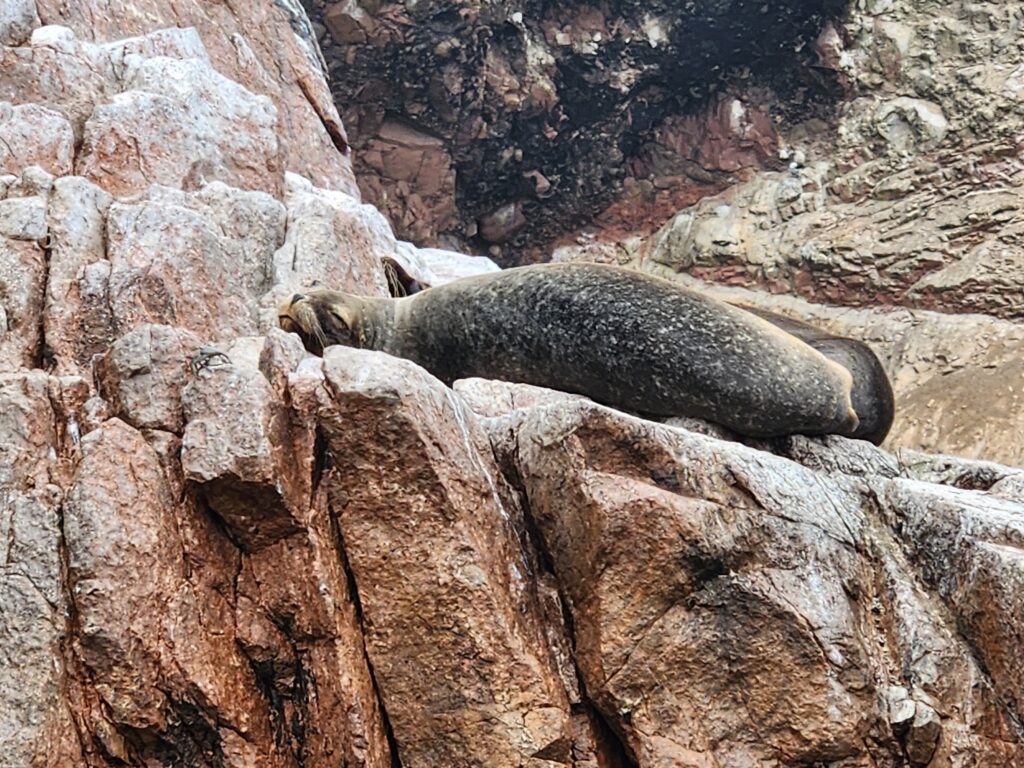
South of Lima, travelers can visit Paracas, the Ballestas Islands, the desert oasis of Huacachina, and the Nazca Lines. This region is easier to add if you have at least 10 to 14 days.
Best for:
- Coastal wildlife
- Desert scenery
- Sandboarding
- Nazca Lines flights
- Trips that start and end in Lima
Step 3: Choose the Best Time to Visit Peru
The best time to visit Peru depends on where you are going.
For Cusco, the Sacred Valley, Machu Picchu, and the Andes, the dry season from roughly April to October is usually best. The shoulder months of April, May, September, and October are especially attractive because they often combine good weather with fewer crowds than peak season. Condé Nast Traveler also highlights April–May and September–November as strong shoulder-season windows for Peru travel.
For Lima and the coast, the sunniest months are usually December to March. This is summer on the Peruvian coast, but it overlaps with the rainy season in the Andes.
For the Amazon, travel is possible year-round. The experience changes depending on water levels, rain, wildlife movement, and whether you are staying in a lodge or taking a river cruise.
Best Overall Months for a First Peru Trip
For most first-time travelers focused on Machu Picchu, the best months are:
- April
- May
- June
- September
- October
July and August are also excellent for weather in the Andes, but they are busier and should be booked earlier.
Step 4: Plan Around Altitude
Altitude is one of the most important parts of planning a Peru trip. Many travelers fly from Lima at sea level directly to Cusco, which sits high in the Andes. That sudden change can cause headaches, fatigue, nausea, shortness of breath, and poor sleep.
A smarter route is often:
Lima → Sacred Valley → Machu Picchu → Cusco
This gives your body a gentler adjustment because the Sacred Valley is lower than Cusco. It also places you closer to the train stations for Machu Picchu.
Good altitude planning tips:
- Keep your first day in Cusco or the Sacred Valley light.
- Avoid alcohol on arrival.
- Drink water regularly.
- Eat lighter meals on the first day.
- Do not schedule Rainbow Mountain immediately after arriving in Cusco.
- Consider speaking with your doctor before the trip if you have heart, lung, or blood pressure concerns.
Step 5: Understand Peru Entry Requirements
Entry requirements depend on your nationality, so always check official sources before traveling. For U.S. citizens, the U.S. State Department currently lists a passport valid for six months at entry, one blank visa page, no tourist visa required for stays under 90 days, and no vaccinations required for entry.
Travelers should also keep proof of onward or return travel available, as airlines or immigration authorities may request it.
Before your trip, check:
- Passport validity
- Visa requirements for your nationality
- Return or onward flight details
- Travel insurance
- Health recommendations for the regions you plan to visit
- Any special requirements for Amazon travel
Step 6: Book Machu Picchu Correctly
Machu Picchu is not a place where you should leave the details for the last minute. Tickets are limited, entry times are controlled, and routes vary by circuit.
You usually need:
- Machu Picchu entrance ticket
- Train ticket to Aguas Calientes
- Bus ticket from Aguas Calientes to Machu Picchu
- Hotel in Aguas Calientes or nearby base
- Guide
- Passport used for booking
The official Machu Picchu website explains the circuit and route system, while official online tickets are sold through Peru’s cultural ticketing platform.
For high season, book early. If your preferred circuit, train time, or hotel is important, do not wait until the final weeks before travel.
Step 7: Choose How You Will Travel Around Peru
Peru is larger and more varied than many travelers expect. Transportation choices affect the quality of your trip.
Domestic Flights
Domestic flights are the fastest way to connect Lima with Cusco, Arequipa, Juliaca, Puerto Maldonado, and Iquitos. For most travelers, flying is the best way to save time.
Common flight routes include:
- Lima to Cusco
- Lima to Arequipa
- Cusco to Lima
- Cusco to Puerto Maldonado
- Lima to Iquitos
Private Transfers
Private transfers are useful in the Sacred Valley, between Cusco and Ollantaytambo, and for travelers who want comfort, flexibility, and fewer logistics.
Trains
Trains are the most popular way to reach Machu Picchu. Most travelers board from Ollantaytambo, although some services also operate from Cusco-area stations depending on the season and schedule.
Buses
Long-distance buses can be comfortable in Peru, especially on premium services, but they take time. They are better for travelers with longer itineraries or tighter budgets.
Step 8: Decide Whether to Travel Independently or Use a Peru Travel Agency
You can plan Peru independently, but many travelers prefer a custom Peru vacation package because the logistics can be complicated. This is especially true if your itinerary includes Machu Picchu, Sacred Valley hotels, domestic flights, private transfers, timed tickets, multiple regions, or family members with different needs.
A travel agency can help coordinate:
- Itinerary order
- Hotels
- Private guides
- Transfers
- Machu Picchu tickets
- Train tickets
- Domestic flights
- Altitude-aware planning
- Special requests
- Emergency support during the trip
Independent travel works best for flexible travelers with time to research. A custom Peru tour works best for travelers who want a smoother, professionally planned experience.
Step 9: Estimate Your Peru Trip Cost
The cost of a Peru trip depends on travel style, hotel category, season, group size, and how many regions you visit.
As a general planning guide:
| Travel Style | Typical Experience |
|---|---|
| Budget | Hostels, public transport, shared tours, simple meals |
| Mid-range | 3-star hotels, guided tours, some private transfers |
| Comfort | 4-star hotels, better train options, private services |
| Luxury | 5-star hotels, private guides, premium trains, curated experiences |
A classic 7-day Peru itinerary with Lima, Cusco, Sacred Valley, and Machu Picchu usually costs more than a simple city trip because it includes trains, entrance tickets, transfers, guides, and multiple hotel nights.
Costs to consider:
- International flights
- Domestic flights
- Hotels
- Machu Picchu entrance tickes
- Train tickes
- Guides
- Transfers
- Meals
- Travel insurance
- Tips
- Optional upgrades
Step 10: Build the Right Peru Itinerary
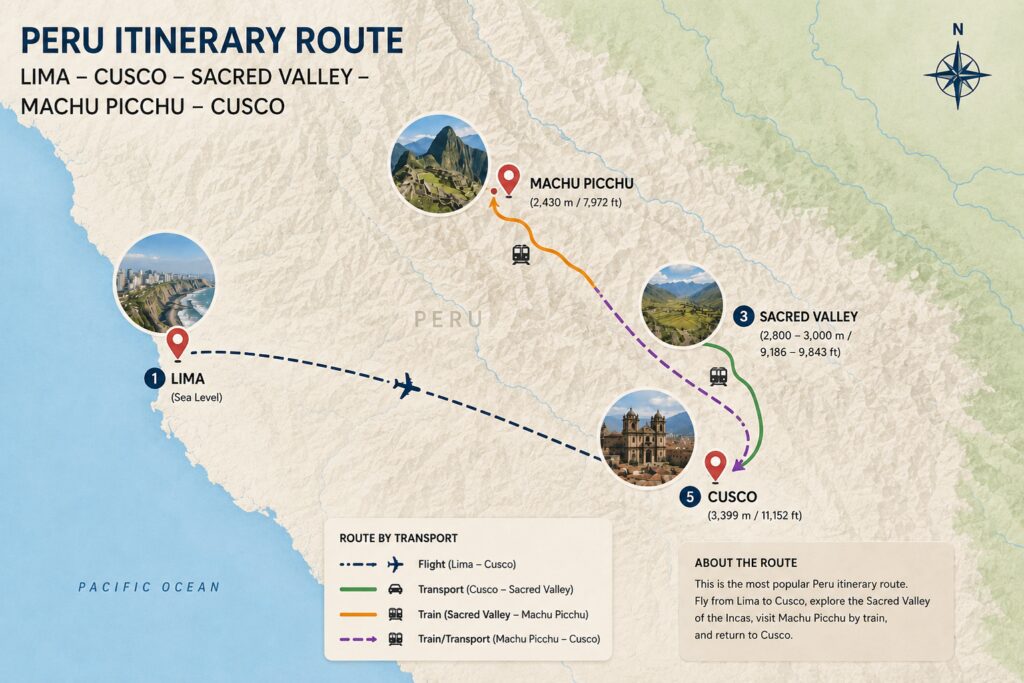
Here is a strong first-time Peru itinerary for travelers with one week.
Sample 7-Day Peru Itinerary
Day 1: Arrive in Lima
Arrive in Lima and transfer to your hotel in Miraflores, Barranco, or San Isidro. If your flight arrives early, enjoy a relaxed food-focused evening or coastal walk.
Day 2: Lima City Tour
Visit Lima’s historic center, colonial plazas, museums, or the Larco Museum. In the evening, enjoy one of Lima’s excellent restaurants.
Day 3: Fly to Cusco and Transfer to the Sacred Valley
Fly to Cusco and continue directly to the Sacred Valley. This helps with altitude adjustment and places you closer to the train route to Machu Picchu.
Day 4: Sacred Valley Tour
Visit Pisac, Ollantaytambo, Chinchero, Maras, or Moray depending on your interests. Overnight in the Sacred Valley or Ollantaytambo.
Day 5: Train to Aguas Calientes
Take the train to Aguas Calientes. Depending on your schedule, you can visit Machu Picchu in the afternoon or stay overnight and visit the next morning.
Day 6: Visit Machu Picchu and Return to Cusco
Visit Machu Picchu with a guide, then return by bus and train. Continue to Cusco for the evening.
Day 7: Cusco and Departure
Spend the morning in Cusco visiting the main square, San Pedro Market, Koricancha, or nearby ruins before flying back to Lima.
Better 10-Day Peru Itinerary
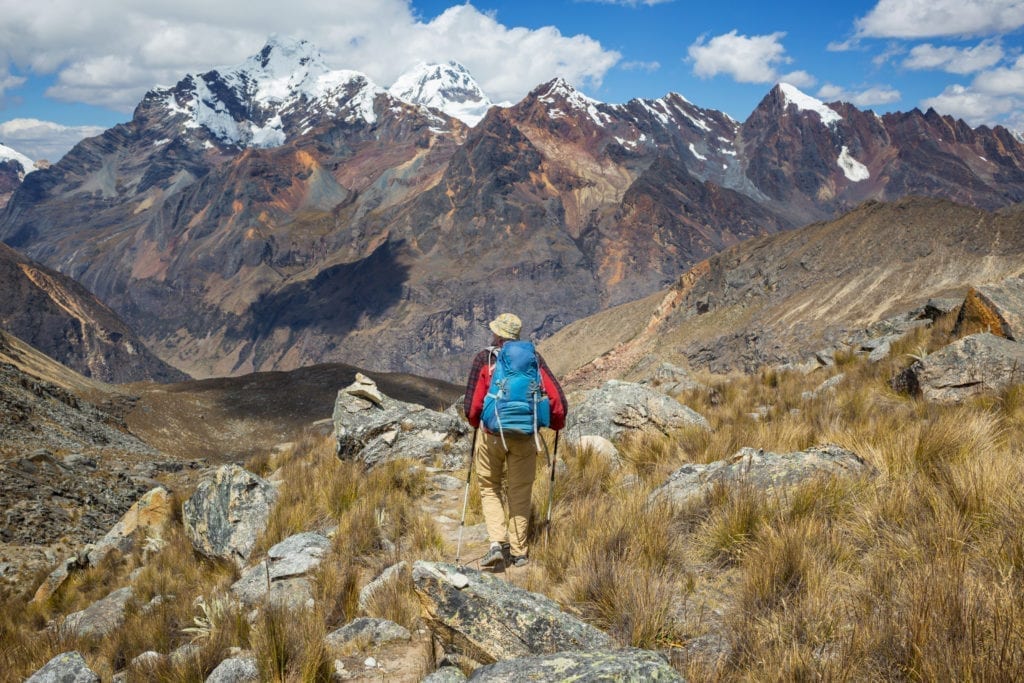
If you have 10 days, the trip becomes much more comfortable.
Suggested route:
- Day 1: Arrive in Lima
- Day 2: Lima
- Day 3: Fly to Cusco, transfer to Sacred Valley
- Day 4: Sacred Valley
- Day 5: Train to Aguas Calientes
- Day 6: Machu Picchu, return to Cusco
- Day 7: Cusco
- Day 8: Rainbow Mountain, Humantay Lake, or extra Cusco day
- Day 9: Optional extension or relaxed day
- Day 10: Return to Lima and depart
For many travelers, 10 days is the ideal first Peru vacation because it includes the classic highlights without making every day feel rushed.
Common Peru Trip Planning Mistakes
Avoid these mistakes when planning your trip:
- Flying into Cusco and doing too much on the first day
- Booking Machu Picchu too late
- Choosing the wrong Machu Picchu circuit for your goals
- Trying to visit too many regions in one week
- Forgetting that Peru has different climates by region
- Scheduling Rainbow Mountain before acclimatizing
- Booking flights too close to important train departures
- Underestimating travel times between destinations
- Treating Lima only as an airport stop
- Not leaving flexibility for weather or delays
What to Pack for Peru
Your packing list depends on where you are going, but most Peru travelers should bring layers. You may experience coastal humidity, cold Andean mornings, strong sun, rain, and warm afternoons in the same trip.
Useful items include:
- Comfortable walking shoes
- Light rain jacket
- Warm layer or fleece
- Sun hat
- Sunglasses
- Sunscreen
- Daypack
- Reusable water bottle
- Passport
- Printed or offline copies of tickets
- Insect repellent for the Amazon or lower valleys
- Motion sickness medication if taking mountain roads
- Personal medication
For Machu Picchu, pack light. Large bags are not practical inside the site, and you will want your hands free for stairs, photos, and walking.
Frequently Asked Questions About Planning a Trip to Peru
How many days do you need for Peru?
You need at least 7 days for a classic first-time Peru trip with Lima, Cusco, the Sacred Valley, and Machu Picchu. If you want a better pace, plan 10 days. For a more complete trip with the Amazon, Lake Titicaca, Arequipa, Colca Canyon, or Paracas, plan 12 to 14 days or more.
What is the best month to visit Peru?For most travelers visiting Machu Picchu and the Andes, the best months are April, May, September, and October. These months often offer a strong balance of good weather and fewer crowds than the June to August peak season.
Is Peru good for a first-time South America trip?
Yes. Peru is one of the best first-time South America destinations because it offers world-famous history, strong tourism infrastructure, excellent food, varied landscapes, and many guided travel options.
Do I need a visa to visit Peru?
Visa rules depend on nationality. U.S. citizens currently do not need a tourist visa for stays under 90 days, according to the U.S. State Department. Travelers should always check official requirements before booking.
Should I stay in Cusco or the Sacred Valley first?For many travelers, the Sacred Valley is better before Cusco because it is lower in altitude and closer to the train route to Machu Picchu. Cusco is still essential, but starting in the Sacred Valley can make the itinerary more comfortable.
Can I visit Machu Picchu without a guide?
Machu Picchu rules and enforcement can change, and ticket routes are highly structured. For the best experience, most travelers should visit with a knowledgeable guide who can explain the site, manage timing, and help choose the right circuit.
Is 7 days enough for Peru?
Seven days is enough for Lima, Cusco, the Sacred Valley, and Machu Picchu. It is not enough for a full-country itinerary. If you only have one week, focus on the classic route instead of trying to add too many extra destinations.
Is Peru expensive?
Peru can work for different budgets. The biggest costs are usually international flights, hotels, domestic flights, Machu Picchu train tickets, entrance tickets, guides, and private transfers. Luxury trips and private tours cost more, but they also make the logistics much easier.
What is the best Peru itinerary for first-time visitors?
The best first-time Peru itinerary is usually Lima, Sacred Valley, Machu Picchu, and Cusco. With more time, add Arequipa, Colca Canyon, Lake Titicaca, the Amazon, or Paracas.
Should I book a Peru vacation package?
A Peru vacation package is a good idea if you want a smoother trip, especially if you are visiting Machu Picchu, traveling with family, planning a honeymoon, choosing luxury hotels, or combining multiple regions. A custom package can save time and reduce the risk of booking mistakes.
Final Travel Planning Advice
The best Peru trips are not the ones that include the most places. They are the ones that are planned in the right order.
For a first visit, focus on Lima, the Sacred Valley, Machu Picchu, and Cusco. Add more destinations only if you have enough time to enjoy them properly. Plan around altitude, book Machu Picchu early, choose hotels carefully, and avoid overloading the itinerary.
Peru is one of the most rewarding destinations in South America, but it deserves thoughtful planning. With the right route, the right pace, and the right local support, your trip can feel seamless from the moment you arrive in Lima to the day you stand above the stone terraces of Machu Picchu.