
Last Updated on June 6, 2026 by Michael R. Barthelmess
Peru is one of the most rewarding countries in South America, but it is also one of the easiest places to plan incorrectly. There are several Peru travel mistakes that visitors can potentially make when trying to plan their vacation. The problem is not that Peru is impossible to visit on your own. Many travelers do it successfully. The problem is that Peru has a lot of moving pieces: altitude, domestic flights, train schedules, Machu Picchu tickets, entrance circuits, hotel locations, early pickups, long road transfers, and very different climates in one trip.
A Peru itinerary may look simple on a map, but the experience on the ground can feel very different if the route is not planned carefully.
Most Peru travel mistakes are not about choosing the wrong destination. They happen when travelers put the destinations in the wrong order, try to move too quickly, underestimate altitude, book Machu Picchu tickets without checking train times, or choose hotels without understanding the logistics of each area.
The good news is that most of these mistakes are avoidable. With the right route, realistic pacing, and a clear plan, your trip can feel much smoother.
This guide covers the most common Peru travel mistakes first-time visitors make and how to avoid them.
Quick Answer: What Are the Biggest Peru Travel Mistakes?
The biggest Peru travel mistakes are usually related to poor route planning, altitude, Machu Picchu logistics, and trying to fit too much into too little time.
Here are the most common mistakes:
| Mistake | Why It Matters |
|---|---|
| Staying in Cusco immediately after landing | Cusco is high, and many travelers feel the altitude on arrival |
| Skipping the Sacred Valley | The Sacred Valley is lower, scenic, and helpful before Machu Picchu |
| Booking Machu Picchu tickets too late | Popular tickets and routes can sell out |
| Choosing the wrong Machu Picchu circuit | Your ticket determines what parts of the site you can visit |
| Booking trains before checking entry times | Train schedules and Machu Picchu tickets need to match |
| Doing Rainbow Mountain too early | It is very high and physically demanding |
| Trying to see too much in 7 days | Peru rewards smart pacing, not overpacking |
| Choosing hotels only by price | Location affects comfort, pickups, walking, and transfers |
| Underestimating domestic flight timing | Flights, transfers, and tours need buffer time |
| Treating Machu Picchu as a simple day trip | It requires tickets, trains, buses, guides, and timing |
A good Peru trip is not only about what you see. It is about how the route connects. Ultimately, how the route connects will determine how you feel about your trip at the end.
Mistake 1: Trying to See Too Much in Too Few Days
This is one of the most common mistakes first-time visitors make. Let me set the scenario for you. You want to come to Peru because you think it is a once-in-a-lifetime destination, then you realize there is a lot to see. Suddenly, 7 days doesn’t seem like enough time but you decide to try and cram as many destinations as possible. The trip ends up being exhausting, and you don’t feel like you really saw much, even though you explored the vast country.
Peru has many famous destinations, including Lima, Cusco, the Sacred Valley, Machu Picchu, Rainbow Mountain, Lake Titicaca, the Amazon, Arequipa, Colca Canyon, Paracas, Huacachina, and the Nazca Lines. It is natural to want to see everything.
But trying to fit too many places into one short itinerary can make the trip feel rushed.
A traveler with 7 days should usually not try to include Lima, Cusco, Machu Picchu, Rainbow Mountain, Lake Titicaca, Arequipa, Colca Canyon, and the Amazon. The distances are too large, and the logistics will take over the trip.
What to see according to your itinerary
If you have:
- 5 days: Focus on Cusco, Sacred Valley, and Machu Picchu
- 7 days: Add Lima and give the Andes better pacing
- 10 days: Add more Cusco/Sacred Valley time or one major extension
- 14 days: Consider Amazon, Lake Titicaca, Arequipa, Colca Canyon, Paracas, or Nazca
The goal is not to collect destinations but to enjoy your trip. You are traveling quite far to an unknown land so make sure to pick the right amount of Peru tour package destinations for the right amount of days.
Mistake 2: Staying in Cusco First Without Considering Altitude
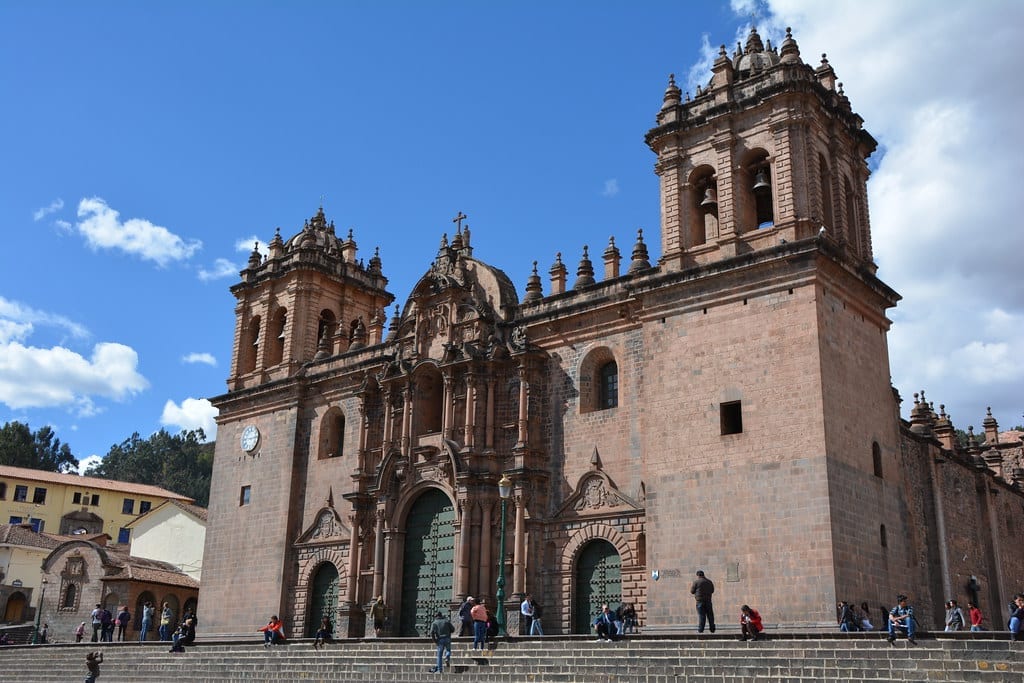
Many travelers fly from Lima to Cusco and immediately stay in Cusco. This can work and we have several travelers who opt for this option. It is not always the most comfortable, though, especially for senior travelers or anyone who has difficulty adapting to high elevation.
Cusco is around 11,152 ft / 3,399 m above sea level. If you arrive from Lima, which is at sea level, your body has to adjust quickly. Some travelers feel fine, but others feel tired, lightheaded, short of breath, or slow during the first day or two. Some can develop headaches and in rare cases, some stomach issues. I’m among the group that doesn’t have any issues other than a slight headache on day one but my wife is sitting on the other side of the bridge when it comes to election sickness.
This is why many well-planned Peru itineraries send travelers from Cusco Airport directly to the Sacred Valley.
The Sacred Valley is generally lower than Cusco, calmer after a flight, and closer to the train route to Machu Picchu. Towns like Urubamba and Ollantaytambo can be better first-night options for many travelers, like my wife.
A good approach for senior and first time travelers
For many first-time visitors, the better route is:
Lima → Cusco Airport → Sacred Valley → Machu Picchu → Cusco
This order gives your body more time to adjust before sleeping in Cusco or attempting higher-altitude day trips.
This is especially helpful for:
- families
- seniors
- honeymooners
- luxury travelers
- first-time visitors
- travelers worried about altitude
- anyone arriving after a long international flight
Cusco is still an essential destination. In many itineraries, it is simply better after Machu Picchu, once you’ve had a few days dedicated to acclimatization. The last thing you want is to travel so far, for so many hours, just to sit out activities due to feeling sick.
Mistake 3: Scheduling Rainbow Mountain Too Early
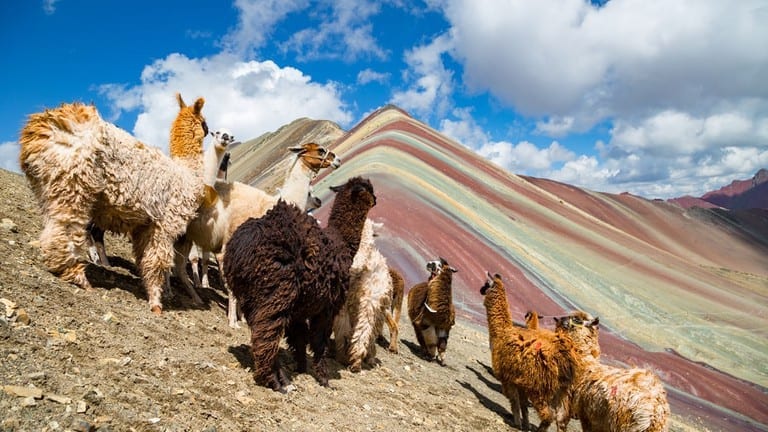
A recently popular tour is Vinicunca, also called the Rainbow Mountain. The Rainbow Mountain is beautiful, but it is also one of the highest common day trips from Cusco. The main viewpoint is over 16,000 ft / 5,000 m, which is much higher than Cusco and Machu Picchu. It’s definitely not something I like to schedule early in the itinerary.
Scheduling Rainbow Mountain the day after you arrive in Cusco is usually a bad idea. Even travelers who are fit can struggle with the altitude if they have not acclimated.
The problem is not only the elevation. Rainbow Mountain usually involves an early start, a long drive, cold weather, physical exertion, and walking at high altitude for several hours.
How to approach the Rainbow Mountain
Place Rainbow Mountain later in the itinerary, after you have already spent time in the Sacred Valley, Machu Picchu, and Cusco. I like to schedule it for the tail end of the Peru itinerary.
A better order is:
Lima → Sacred Valley → Machu Picchu → Cusco → Rainbow Mountain (at around day 6 or 7 of the itinerary tends to be the sweet spot)
Even then, Rainbow Mountain is not for everyone. If you have limited time, altitude concerns, young children, mobility issues, or a preference for a more relaxed trip, you may be better off choosing a lower-altitude experience.
Mistake 4: Treating Machu Picchu Like a Simple Attraction
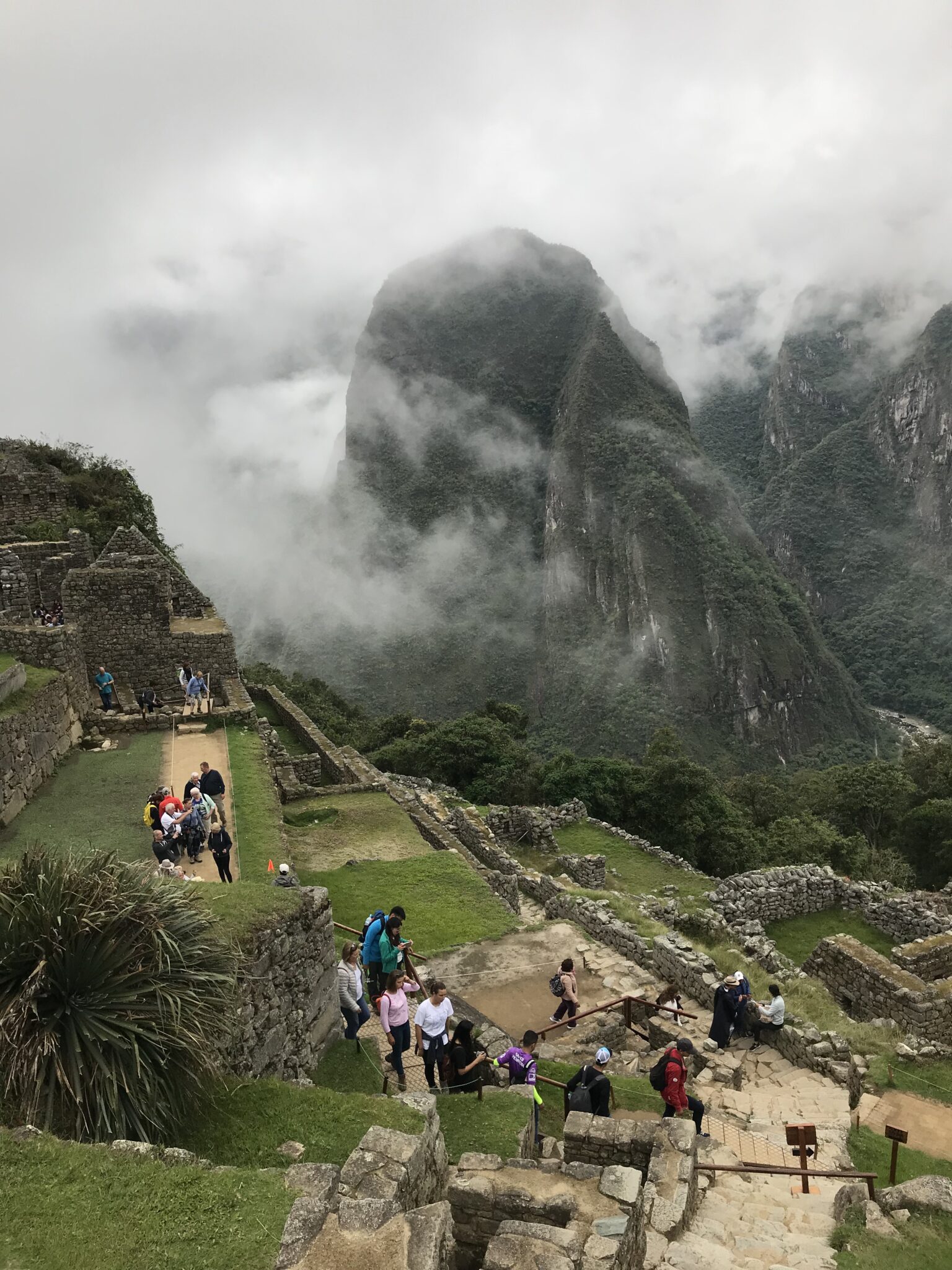
Machu Picchu is not like showing up at a museum, buying a ticket, and walking in whenever you want. There is a lot that goes on and plenty of planning that needs to take place before you ever arrive in Machu Picchu.
A Machu Picchu visit usually involves:
- choosing the right entrance ticket
- selecting the correct circuit or route
- matching the entry time with the train schedule
- traveling to Aguas Calientes
- taking the shuttle bus to the entrance
- arranging a guide
- planning the return train
- coordinating transfers back to Cusco or the Sacred Valley
If one part is wrong, the day can feel rushed or confusing.
For example, a traveler may buy a Machu Picchu entry time that does not work well with their train arrival, or choose a circuit that does not include the view they expected. In my experience, a lot of this can be resolved by booking at least 60 days in advance.
How to approach Machu Picchu
Plan Machu Picchu as a sequence starting at your hotel:
hotel location → train station → train time → Aguas Calientes → bus → entry ticket → circuit → guide → return train → transfer
For many travelers, the smoothest option is:
Sacred Valley → Aguas Calientes overnight → Machu Picchu → Cusco
This usually feels better than trying to do everything from Cusco in one very long day. The best and smoothest way to visit Machu Picchu is usually by splitting the trip into a two-day journey.
Mistake 5: Booking Machu Picchu Tickets Too Late
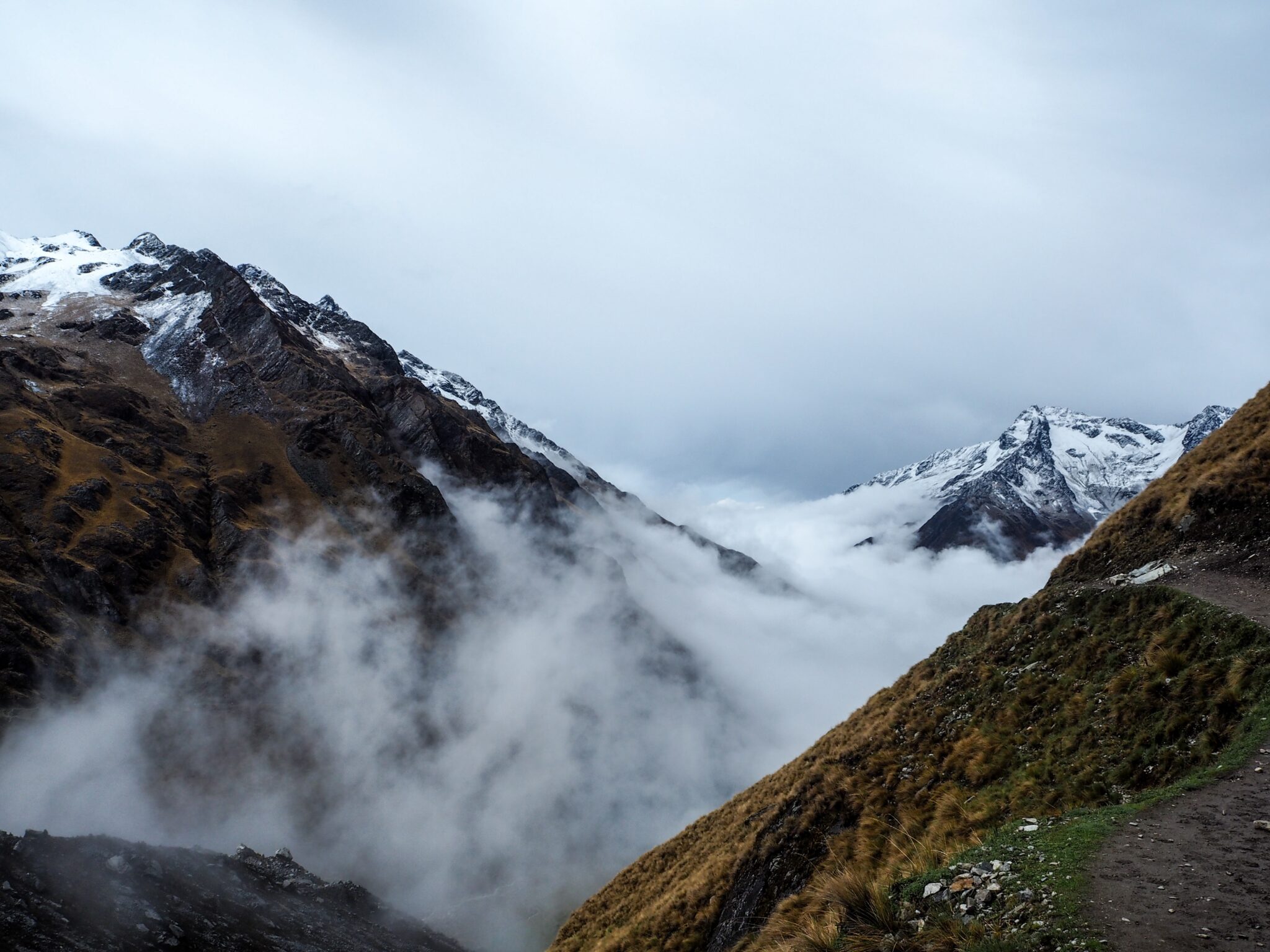
This is what I just mentioned in the previous section. Machu Picchu tickets are limited, and the most popular routes can sell out. This is especially true during high season, holidays, and peak travel periods. Booking early is more important ever since the new circuit system was applied.
Many travelers wait too long because they assume Machu Picchu is easy to book once flights are confirmed. But if the preferred ticket or circuit is no longer available, the entire itinerary may need to change. Most travelers are now looking for circuit 2; however, it is not necessary to book much sooner in order to secure those particular permits. The right permit can make a big difference since they don’t all allow you to visit the same areas.
This is especially important if you want:
- the classic Machu Picchu viewpoint
- Huayna Picchu
- Machu Picchu Mountain
- morning entry
- a specific travel date
- a private guided experience
- a tight itinerary with limited flexibility
Better approach
Check Machu Picchu ticket availability before finalizing trains and hotels.
A good planning order is:
- Decide your travel dates
- Choose the Machu Picchu experience you want
- Check ticket and circuit availability
- Coordinate train times
- Arrange hotel and transfers
- Confirm guide timing
Do not treat the ticket as an afterthought. It is one of the most important pieces of the trip. Many travelers are coming to Peru simply to visit Machu Picchu, so make sure to keep permits and trains as a top priority.
Mistake 6: Choosing the Wrong Machu Picchu Circuit
| Permit / Route | Circuit | What It Includes | Best For | Max Time | High Season Only? |
|---|---|---|---|---|---|
| Route 1-A: Machu Picchu Mountain | Circuit 1: Panoramic | Machu Picchu Mountain hike plus upper panoramic terraces and classic viewpoints | Travelers who want a longer mountain hike and wide views | 7 hours | No |
| Route 1-B: Upper Terrace | Circuit 1: Panoramic | Upper terrace route with the classic panoramic Machu Picchu photo viewpoint | Travelers who mainly want the iconic photo and a shorter visit | 2 hours 30 minutes | No |
| Route 1-C: Inti Punku / Sun Gate | Circuit 1: Panoramic | Route toward Inti Punku, also known as the Sun Gate, plus panoramic terrace areas | Travelers who want the Sun Gate route and elevated views | 4 hours | Yes |
| Route 1-D: Inca Bridge | Circuit 1: Panoramic | Inca Bridge route plus panoramic terrace areas | Travelers who want a shorter add-on walk with scenic views | 3 hours | Yes |
| Route 2-A: Designed Route | Circuit 2: Classic / Inka City | Classic postcard view plus a broader route through the main citadel areas | Best overall option for most first-time visitors | 2 hours 30 minutes | No |
| Route 2-B: Lower Terrace | Circuit 2: Classic / Inka City | Classic view from the lower terrace plus a broad visit through the main citadel | First-time visitors who want a complete experience with a lower-terrace start | 2 hours 30 minutes | No |
| Route 3-A: Huayna Picchu Mountain | Circuit 3: Royalty | Huayna Picchu hike plus lower royal-sector route | Travelers with a Huayna Picchu permit | 6 hours | No |
| Route 3-B: Designed Route | Circuit 3: Royalty | Lower royal-sector route; this is also the mobility-friendly option | Travelers who want a shorter or easier lower-route visit | 2 hours 30 minutes | No |
| Route 3-C: Great Cavern / Temple of the Moon | Circuit 3: Royalty | Great Cavern, also called Temple of the Moon, plus lower royal-sector route | Travelers who want the Temple of the Moon hike | 7 hours | Yes |
| Route 3-D: Huchuy Picchu | Circuit 3: Royalty | Huchuy Picchu hike plus lower royal-sector route | Travelers who want a shorter summit add-on | 3 hours 30 minutes | Yes |
This is one of the newer mistakes travelers make because the Machu Picchu circuit system can be confusing.
Your ticket does not simply say “Machu Picchu.” It determines where you can walk inside the site and what type of view or route you get.
For many first-time visitors, the classic panoramic view is very important. That is why choosing the wrong circuit can be disappointing.
Some routes focus more on the upper sectors and classic views. Others focus on lower areas or special hikes such as Huayna Picchu. If you do not understand the difference before booking, you may not get the experience you expected.
A Better approach to circuits
Before buying a ticket, ask:
- Do I want the classic Machu Picchu photo?
- Do I want to hike Huayna Picchu?
- Do I prefer an easier walk?
- Is this my first and only visit?
- Am I traveling with children or seniors?
- Does my train schedule match the entry time?
For many first-time travelers, Circuit 2 is often the preferred choice because of the classic view and more complete first impression. But the best ticket depends on your travel style, availability, and itinerary.
Mistake 7: Booking Train Tickets Before Matching the Whole Schedule
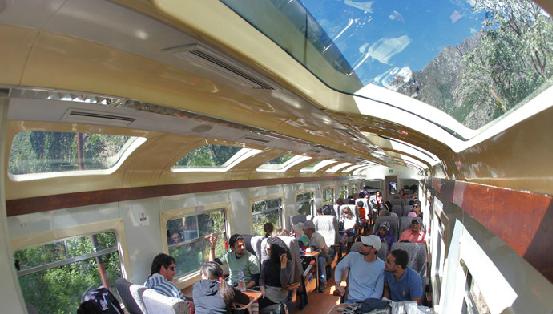
The train to Machu Picchu is one of the most scenic parts of the journey, but it must be coordinated carefully. The train departure and arrival schedules need to link up perfectly to items like permits and pickup times.
A common mistake is booking a train because the departure time looks convenient, without checking whether it works with:
- hotel checkout
- transfer time to the station
- Machu Picchu entrance time
- shuttle bus timing
- guide availability
- lunch timing
- return transfer
- hotel arrival in Cusco or the Sacred Valley
This is especially risky for day trips from Cusco.
A better approach to Machu Picchu train tickets
Think of the train as one part of the full Machu Picchu day, not a separate booking.
The key question is:
Does this train time make the entire day work?
If you are staying in the Sacred Valley, the train day may be easier. If you are starting from Cusco, you need more buffer time because you must travel by road to the train station first.
Mistake 8: Skipping the Sacred Valley
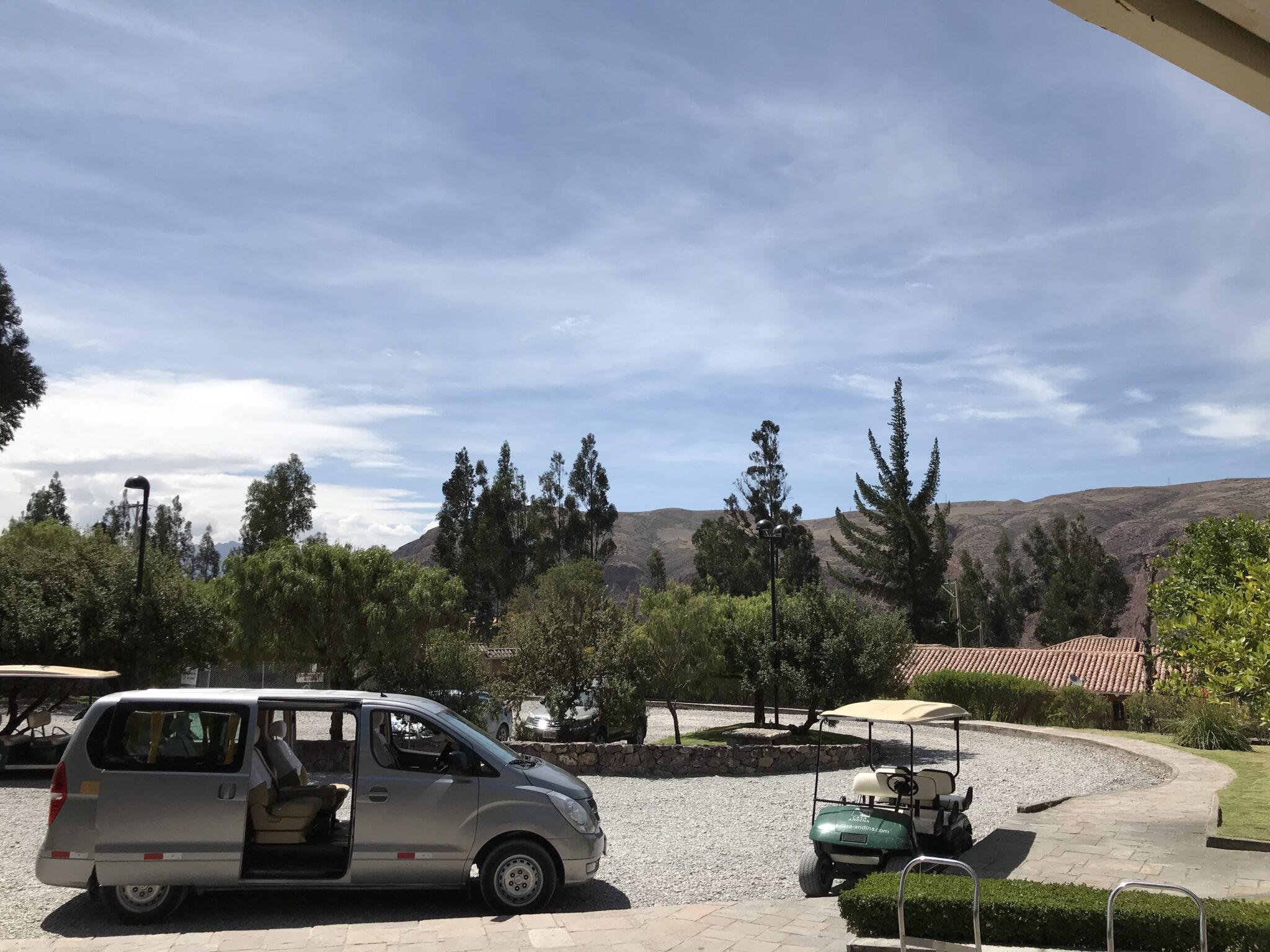
Some travelers think the Sacred Valley is just a transfer area between Cusco and Machu Picchu. That is a mistake. By skipping this part of the trip, you are essentially leaving out one of the most scenic and culturally important destinations in Peru.
The Sacred Valley is one of the most important regions in the Cusco area. It includes Inca sites, markets, traditional towns, farmland, mountains, and some of the best hotel experiences in the region. Urubamba gives you a look at rural life, while Ollantaytambo has impressive Incan ruins to explore. Those are just two towns, there are several other great places you’ll want to visit at the Sacred Valley.
It is also strategically useful. The Sacred Valley is generally lower than Cusco and closer to the train route to Machu Picchu.
Skipping it can make the trip feel more rushed and less balanced.
A better approach to the Sacred Valley
Spend at least one night in the Sacred Valley if your schedule allows. Two nights is even better for many itineraries.
Good Sacred Valley bases include:
- Urubamba
- Yucay
- Ollantaytambo
- Pisac, depending on the route
A Sacred Valley stay can help with altitude, train logistics, and the overall flow of the trip. It is also a beautiful destination where you are bound to take some great photographs.
Mistake 9: Choosing Hotels Without Understanding Location

Hotel location matters a lot in Peru. If you’ve ever had “hotel anxiety” you know what I’m talking about.
A hotel may look beautiful online but be inconvenient for pickups, walking, altitude, restaurants, or train connections. This is especially true in Cusco, the Sacred Valley, Aguas Calientes, and Lima.
In Cusco, a hotel uphill from the main plaza may look charming but feel difficult if you are still adjusting to the altitude. In the Sacred Valley, a remote hotel may be peaceful but require private transportation for meals and touring will probably need to be done in private as opposed to a group tour. In Aguas Calientes, the hotel location can affect how easily you reach the bus station for Machu Picchu.
A better approach to choosing hotels
Choose hotels based on both quality and logistics. If you are booking this all yourself take extra careful when choosing hotels or Airbnbs for that matter. There are several times when a client has asked to be picked up in a hotel or airbnb they booked themselves, that’s miles outside of the pick-up locations in Cusco.
Before choosing a hotel ask:
- Is the hotel close to restaurants or pickup points?
- Is it located on a steep hill?
- Does it work with early morning departures?
- Is it convenient for the train station?
- Does the hotel style match the trip?
- Is it practical for families or seniors?
- Does it help or complicate the route?
The cheapest hotel is not always the best value if it makes the logistics harder. To make sure you are staying at a hotel near the city center or the tourist-designated areas, contact one of our travel advisors.
Mistake 10: Not Leaving Enough Buffer Time for Domestic Flights
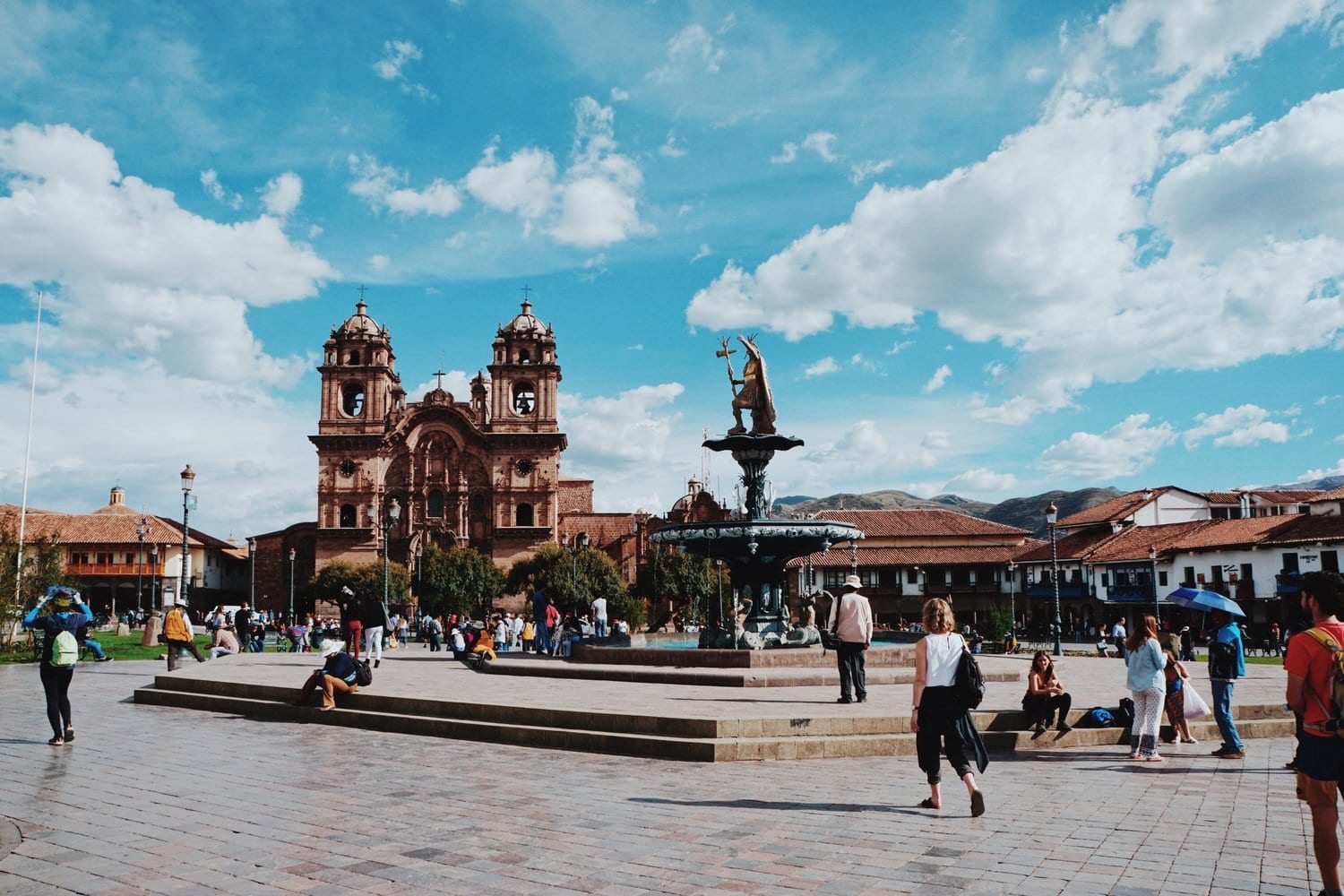
Domestic flights are the best way to cover long distances in Peru, especially between Lima and Cusco. But they still require planning. A lot of travelers don’t realize that there are often delayed flights arriving in and leaving Cusco due to: weather conditions and high winds in the Andes. This can delay flights by a few minutes to several hours.
Travelers sometimes schedule tours, trains, or long transfers too close to flight arrival times. That can be risky because delays, baggage, airport traffic, and altitude adjustment can affect the day.
This is especially important on arrival in Cusco. Even if the flight lands on time, you may not want to jump immediately into a full tour. This also plays a big part when you are departing Cusco and need to get to Lima at a certain time to catch your international flight. Buffer times in these situations are essential.
A better approach to domestic flights in Peru
Use domestic flights strategically, but allow buffer time.
For example:
- Do not schedule Rainbow Mountain on the day after a late Cusco arrival.
- Avoid tight same-day connections between flights and trains.
- Build in airport transfer time.
- Keep the first day in the Andes lighter.
- Consider flying to Cusco in the morning if transferring to the Sacred Valley.
- Give yourself at least 4 hours from the time you fly back to Lima and your international departure
A good itinerary gives you enough time to recover from travel and adjust to the elevation as well as get to your international connecting flight on time.
Mistake 11: Assuming Peru Has One Climate

Peru has coastal desert, high mountains, cloud forest, rainforest, and high-altitude plateau environments. That means one trip can include very different weather.
Lima may be humid and gray depending on the time of the year. Cusco may be sunny during the day and cold at night. Machu Picchu may feel warmer and more humid. The Amazon may be hot and wet. Lake Titicaca can be sunny, warm, cold, and windy all in the same day.
Travelers who pack for one climate often end up uncomfortable.
A better approach to Peruvian climate
When you are getting your packing list together, pack in layers.
Bring clothing that works for:
- cool mornings
- warm afternoons
- rain
- sun exposure
- high-altitude cold
- humidity around Machu Picchu
- comfortable walking
- early departures
For most Peru itineraries, layers are more useful than bulky clothing. I remember one time when I took the Lares trek in Cusco, on day two of the trek, it was: Cold and rainy in the morning – Sunny and warm at noon – windy and some snow in the afternoon – very cold at night. This all happened in the same day, and it is more common than you think in the Andes.
Mistake 12: Not Understanding How Long Travel Days Can Be
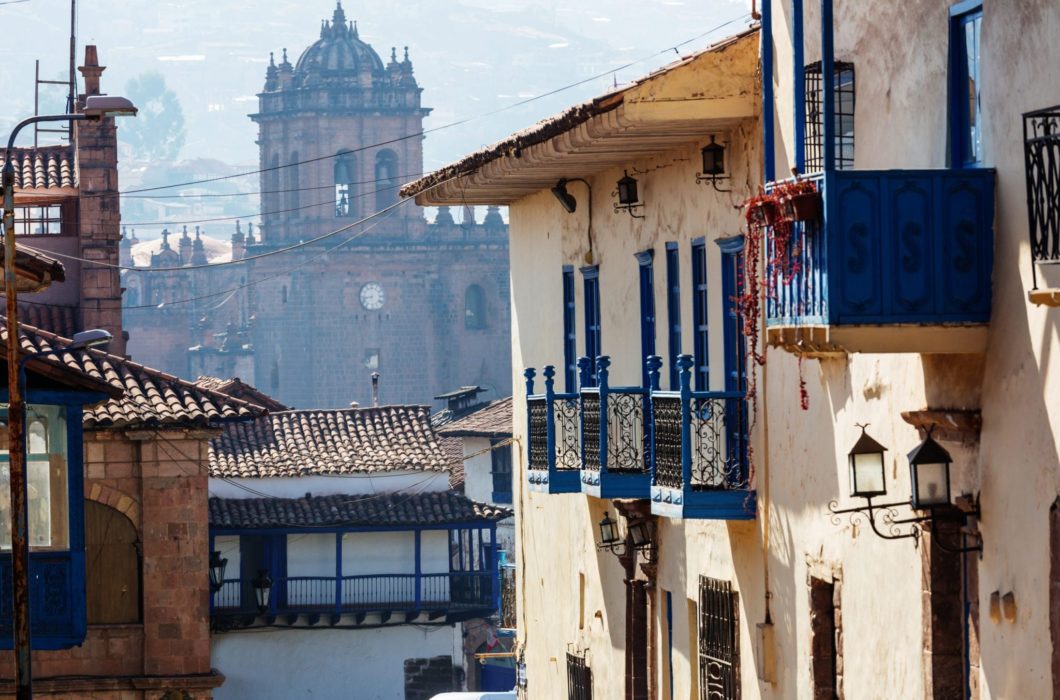
Some Peru travel days are longer than they look. A Machu Picchu day can include a transfer, train, bus, guided visit, return bus, return train, and another transfer. A Sacred Valley day may include multiple archaeological sites and mountain roads. A Colca Canyon route may involve many hours of driving. An Amazon lodge transfer may include flights, road, boat, and lodge coordination.
If every day is planned as a full day, travelers can get tired quickly.
A better approach to traveling around Peru
Balance heavy travel days with lighter days.
For example, after a long Machu Picchu day, do not automatically schedule another early, demanding excursion unless you are comfortable with the pace.
A good itinerary has rhythm:
arrival day → active day → travel day → lighter day → major experience → recovery or flexible day
It is understandable to want to take advantage of the time you are in Peru by seeing as much as possible. For some travelers, that is perfect; others might need some downtime between heavy days (like the Rainbow mountain tour) and a less demanding day with a half-day Cusco city tour, for example.
Mistake 13: Forgetting That Machu Picchu Is Only One Part of the Trip
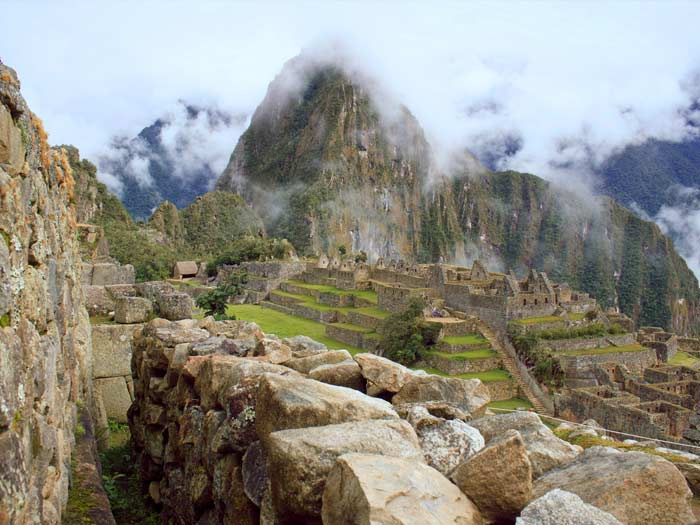
Machu Picchu is the highlight for many travelers, but Peru is more than one archaeological site. A strong trip usually includes context before and after Machu Picchu:
- Lima for food, history, and arrival logistics (Enjoy the food!)
- Sacred Valley for Inca sites and altitude adjustment (Enjoy the views!)
- Cusco for culture, architecture, and history (Enjoy the history!)
- Aguas Calientes for smoother Machu Picchu access (Enjoy the train ride there!)
- optional extensions like Amazon, Lake Titicaca, Arequipa, or Colca Canyon (Enjoy more exotic destinations!)
If you only focus on Machu Picchu and ignore the route around it, the experience can feel disconnected.
A better approach to building your trip
Build the trip around Machu Picchu, but do not isolate it. Add extensions depending on time and interest. Your base route should be Lima – Cusco – Sacred Valley – Aguas Calientes – Machu Picchu. Paracas and Huacachina should go in the Lima section of the trip. Lake Titicaca should go after the Cusco portion. If you need more details on how to set up the itinerary, contact one of our travel advisors for a customized itinerary.
Mistake 14: Waiting Too Long to Ask for Help

Some travelers only contact a Peru travel agency after they have already booked flights, hotels, or tickets that do not work well together.
At that point, fixing the itinerary can be harder. Train times may not match. The preferred Machu Picchu circuit may be sold out. A hotel may be in the wrong location. The route may require unnecessary backtracking. There have been several times when a client contacts us, and they have their hotels, trains and Machu Picchu ticket already purchsed but none of them line up, and they ask us to please “make it work”. This is not how trip crafting works and it ends up being more expensive for the traveler to correct the mistakes.
A better approach to crafting your dream trip
Ask for help before locking in the hard-to-change pieces.
The most important items to coordinate early are:
- international flights
- domestic flights
- Machu Picchu tickets
- train tickets
- Sacred Valley and Cusco hotel order
- Amazon or Lake Titicaca extensions
- private transfers and guides
A Peru travel specialist can help prevent problems before they are built into the trip, so before you put your Machu Picchu tour package together, make sure to double-check with us first.
When a Peru Tour Package Makes Sense
A Peru tour package can be useful when you want the main logistics arranged together instead of booking each piece separately.
This is especially helpful if your trip includes:
- Machu Picchu tickets
- train tickets
- Cusco and Sacred Valley hotels
- private guides
- airport and train station transfers
- domestic flights
- Amazon, Lake Titicaca, Arequipa, or Colca Canyon extensions
- family, honeymoon, senior, or private travel needs
A good tour package should not feel like a rigid group schedule unless that is what you want. It should help connect the moving parts of the trip in a logical, comfortable way.
Journey Machu Picchu plans custom Peru tour packages around your travel dates, hotel style, pace, interests, and preferred level of service.
Practical Peru Travel Mistakes First-Time Visitors Make
Even travelers with a solid itinerary can run into smaller mistakes once they arrive in Peru. Things like exchanging money in the wrong place, eating too heavily on day one, drinking too much alcohol at altitude, or underestimating how tiring travel days can be may seem minor, but they can affect comfort, energy, and the overall experience. These practical Peru travel mistakes are easy to overlook, especially for first-time visitors, but avoiding them can make your trip smoother from the moment you land.
Exchanging money in the wrong place
Travelers often exchange money at airports, hotels, or random street changers without comparing the rate. Airport exchange counters are usually convenient but not the best value, and street exchange can be risky if you do not know what to look for. A safer approach is to exchange a small amount on arrival, then use reputable exchange houses or ATMs in safe areas such as Miraflores, San Isidro, Cusco’s historic center, or established commercial zones.
Eating too heavy too soon after arriving
Peruvian food is excellent, but travelers sometimes overdo it immediately after landing: heavy sauces, fried foods, ceviche, spicy dishes, street food, or large meals after a long flight. This can be a problem if your body is adjusting to travel fatigue, altitude, a new schedule, or dehydration. Start with lighter meals during the first day, especially before flying to Cusco or heading into the Andes.
Drinking too many Pisco Sours early in the trip
Pisco Sours are part of the Peru experience, but drinking too much on the first night is a bad idea, especially before flying to Cusco or starting high-altitude touring. Alcohol can worsen dehydration and make altitude adjustment feel harder. Enjoy one, but do not turn your first night in Lima or Cusco into a late night if you have an early flight, train, or tour the next morning.
Ignoring hydration
Travelers often drink less water than they should because the weather feels mild or because they are moving between flights, transfers, and tours. In the Andes, dehydration can make fatigue, headaches, and altitude symptoms feel worse. Drink water regularly, especially before and after flights, on arrival to Cusco, and before long walking days.
Assuming all taxis are the same
In Lima and Cusco, it is better to use hotel-arranged transportation, trusted taxi apps, or prearranged transfers rather than jumping into any random taxi. This is especially true when arriving at the airport, traveling at night, or carrying luggage. A few extra dollars for a reliable transfer is usually worth it.
Carrying too much cash or showing valuables
Peru is generally manageable for travelers, but common-sense precautions matter. Avoid walking around with large amounts of cash, expensive jewelry, passports in your pocket, or phones loosely held near busy streets. Keep copies of documents and use hotel safes when available.
Not keeping small bills and coins
This is a small but real mistake. Travelers often carry only large bills, then have trouble paying for small purchases, tips, snacks, bathrooms, local markets, or short taxi rides. Keep smaller soles handy.
Forgetting that bathrooms are not always like home
On long drives, hikes, markets, ruins, and rural routes, bathrooms can be basic. Carry tissues, hand sanitizer, and some coins. This is especially useful on Sacred Valley tours, Rainbow Mountain, Colca Canyon, Lake Titicaca, and road transfers.
Wearing the wrong shoes
Some travelers dress for photos but forget that Peru involves uneven stone streets, ruins, stairs, cobblestones, wet paths, and long walking days. Comfortable walking shoes are more important than stylish shoes, especially in Cusco, Machu Picchu, the Sacred Valley, and archaeological sites.
Final Advice: Plan Peru by Route, Not Just by Destination
The biggest mistake travelers make in Peru is choosing destinations before understanding the route.
Peru is not difficult to visit, but it rewards smart planning. Altitude, train schedules, Machu Picchu tickets, hotel locations, domestic flights, and travel time all affect the experience.
For most first-time visitors, a well-planned route looks something like this:
Lima → Sacred Valley → Machu Picchu → Cusco
From there, you can add the Amazon, Lake Titicaca, Arequipa, Colca Canyon, Paracas, Nazca, or other destinations depending on how much time you have.
The best Peru trip is not the one with the longest list of places. It is the one that gives you enough time to enjoy each destination without feeling rushed.
If you want help avoiding the most common planning mistakes, our Peru tour packages can be customized around your dates, travel style, hotel preferences, and preferred pace.
Frequently Asked Questions About Peru Travel Mistakes
The biggest mistake is trying to fit too many destinations into too little time. Peru has large distances, high altitude, train logistics, domestic flights, and different climates, so the itinerary needs realistic pacing.
For many first-time visitors, the Sacred Valley is better before Cusco. It is generally lower, calmer, and closer to the train route to Machu Picchu. Cusco is still worth visiting, but many travelers enjoy it more after they have had time to acclimate.
Machu Picchu can be visited independently, but the logistics are more complex than many travelers expect. You need to coordinate tickets, circuits, trains, buses, guides, hotels, and transfers.
You should book as early as possible once your travel dates are confirmed, especially if you want a specific circuit, Huayna Picchu, Machu Picchu Mountain, or high-season travel dates.
Usually, no. Rainbow Mountain is very high and physically demanding. It is better to schedule it later in the trip after you have had time to adjust to the altitude.
Most first-time visitors should plan at least 7 to 10 days for Lima, the Sacred Valley, Machu Picchu, and Cusco. With 14 days, you can add destinations such as the Amazon, Lake Titicaca, Arequipa, Colca Canyon, Paracas, or Nazca.
Private tours can be worth it if you want flexible pacing, private guides, better logistics, family-friendly travel, honeymoon planning, or a smoother Machu Picchu experience. Group tours can still work well for budget travelers or simple day trips.
Start with your overall route and travel dates. Then check Machu Picchu ticket availability before finalizing trains, hotels, and transfers. Machu Picchu tickets and train schedules should work together.
Most first-time visitors should not rent a car. Private transfers, guided tours, domestic flights, and trains are usually easier and more practical for Lima, Cusco, the Sacred Valley, and Machu Picchu.