Last Updated on May 26, 2026 by Michael R. Barthelmess
Altitude sickness is one of the most common concerns travelers have when planning a trip to Peru, especially if the itinerary includes Cusco, the Sacred Valley, Machu Picchu, Rainbow Mountain, Lake Titicaca, or high-altitude treks. Out of 10 travelers, 9 will have questions directly related to elevation sickness and what the protocols are in case they get it.
The good news is that most travelers can visit Peru comfortably with the right pacing, smart route planning, and realistic expectations. The most important thing to understand is that Cusco is usually the main altitude concern, not Machu Picchu.
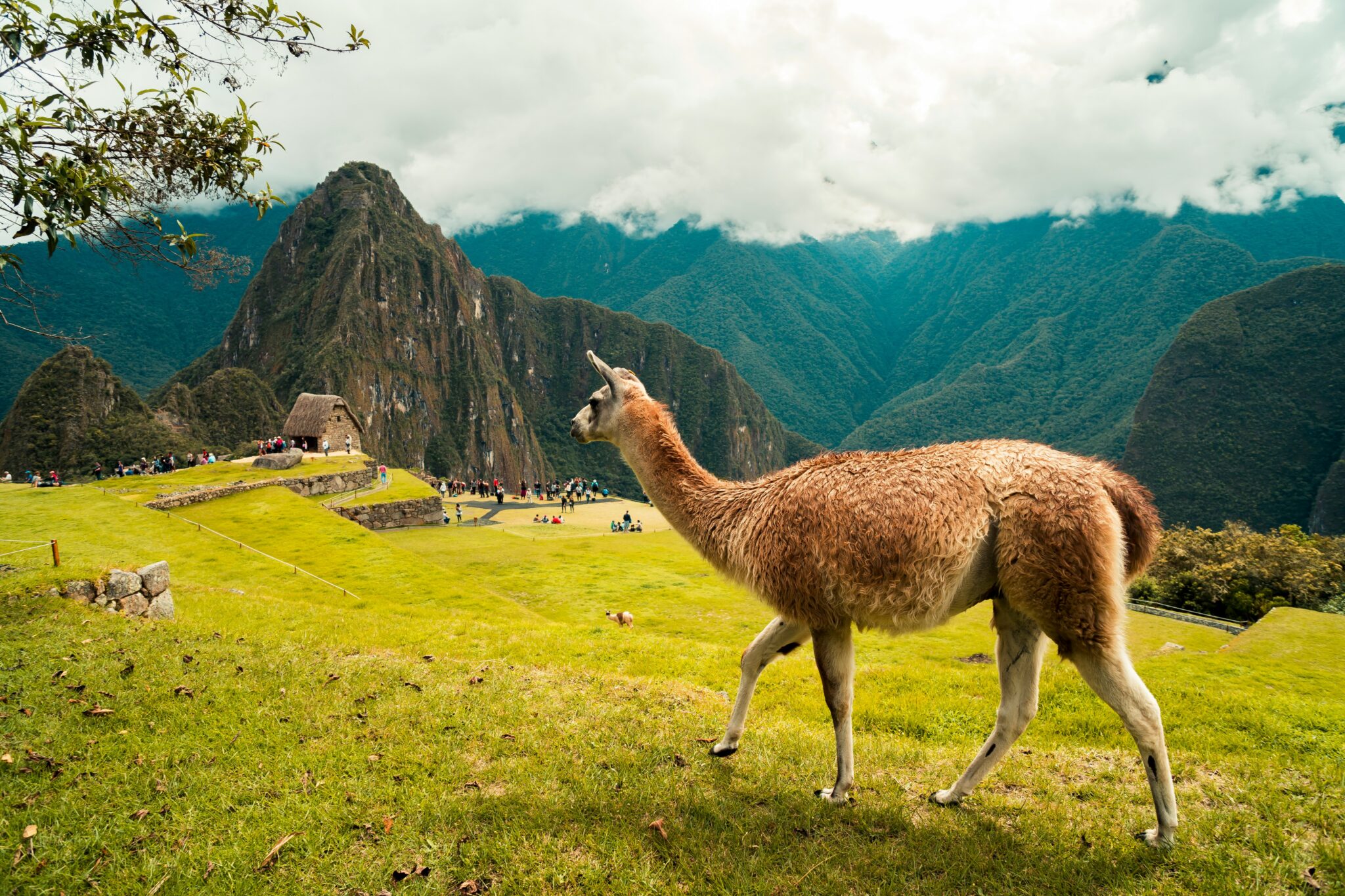
Cusco sits at about 11,152 ft / 3,399 m, while Machu Picchu is much lower at about 7,970 ft / 2,430 m. Many towns in the Sacred Valley are also lower than Cusco, which is why a well-planned itinerary often sends travelers from Cusco Airport directly into the Sacred Valley before returning to Cusco later in the trip.
For many first-time visitors, the most comfortable route is to first go straight to the Sacred Valley as soon as you land in Cusco. The route is outlined below:
Lima → Cusco Airport → Sacred Valley → Machu Picchu → Cusco → Lima
This order gives your body more time to adjust before sleeping in Cusco or attempting higher-altitude day trips.
So full disclosure, because I am not a medical professional. This article is written from a travel-planning perspective, not as medical advice. If you have heart, lung, blood, pregnancy-related, or other health concerns, speak with your doctor or a travel medicine specialist before traveling to high altitude.
Will You Get Altitude Sickness in Peru?
You may feel the altitude in Peru, especially when you arrive in Cusco, but not every traveler gets altitude sickness. Many visitors feel only mild symptoms such as tiredness, a headache, shortness of breath when walking uphill, or trouble sleeping during the first day or two. Some travelers are fine within a few hours while others can take a little longer to fully acclimate to the elevation.
Altitude sickness is more likely when travelers ascend quickly to high elevations. The CDC explains that acute mountain sickness is usually linked to recent ascent to high altitude, with headache as a key symptom often accompanied by nausea, dizziness, fatigue, appetite loss, or vomiting. Symptoms often begin within several hours after arrival or after the first night at altitude.
In my personal experience, I might feel like I am getting a headache every time I go to Cusco but that’s about it. I’ve never had stomach issues at all. In fact, I get the opposite effect; I tend to get hungry right after arriving in places with high elevation. One time I went to Lake Titicaca and within two hours of arriving I was ordering the Alpaca steak with roasted potatoes. It is not recommended to eat like that so soon in high altitude locations, though.
For Peru travelers, the biggest altitude points to understand are:
| Destination | Approx. Elevation | Altitude Concern |
|---|---|---|
| Lima | Sea level | Very low |
| Machu Picchu | 7,970 ft / 2,430 m | Lower than Cusco |
| Ollantaytambo | 9,160 ft / 2,792 m | Moderate |
| Urubamba | 9,420 ft / 2,870 m | Moderate |
| Pisac | 9,751 ft / 2,972 m | Moderate |
| Cusco | 11,152 ft / 3,399 m | Higher concern |
| Lake Titicaca / Puno | approx. 12,500 ft / 3,810 m | Higher concern |
| Rainbow Mountain | over 16,000 ft / 5,000 m | Very high concern |
The key planning advice is simple:
Do not overexert yourself on your first day in the Andes.
Do not schedule Rainbow Mountain or Humantay Lake immediately after arriving. In fact, I would go as far as saying you should not schedule any type of organized day trip on your first day.
Consider staying in the Sacred Valley before Cusco if your itinerary allows.
What Is Altitude Sickness?

Altitude sickness happens when your body has not had enough time to adjust to lower oxygen levels at higher elevations. It is also commonly called acute mountain sickness, or AMS.
It can affect fit travelers, older travelers, first-time visitors, and even people who exercise regularly. Being in good physical condition does not guarantee that you will avoid symptoms. There is no doubt that it helps to adapt quicker but being in good physical condition does not guarantee that you won’t have symptoms.
Common mild symptoms may include:
- headache
- nausea
- dizziness
- tiredness
- loss of appetite
- shortness of breath with activity
- trouble sleeping
- feeling unusually weak or slow
The NHS advises travelers who feel unwell at altitude to rest at the same altitude until they feel better and not continue climbing higher while symptoms are present. Symptoms often improve within 1 to 3 days.
Most Peru travelers who feel altitude symptoms experience mild discomfort that improves with rest, hydration, lighter meals, and a slower pace. But altitude symptoms should still be taken seriously, especially if they worsen.
Why Cusco Causes More Altitude Problems Than Machu Picchu
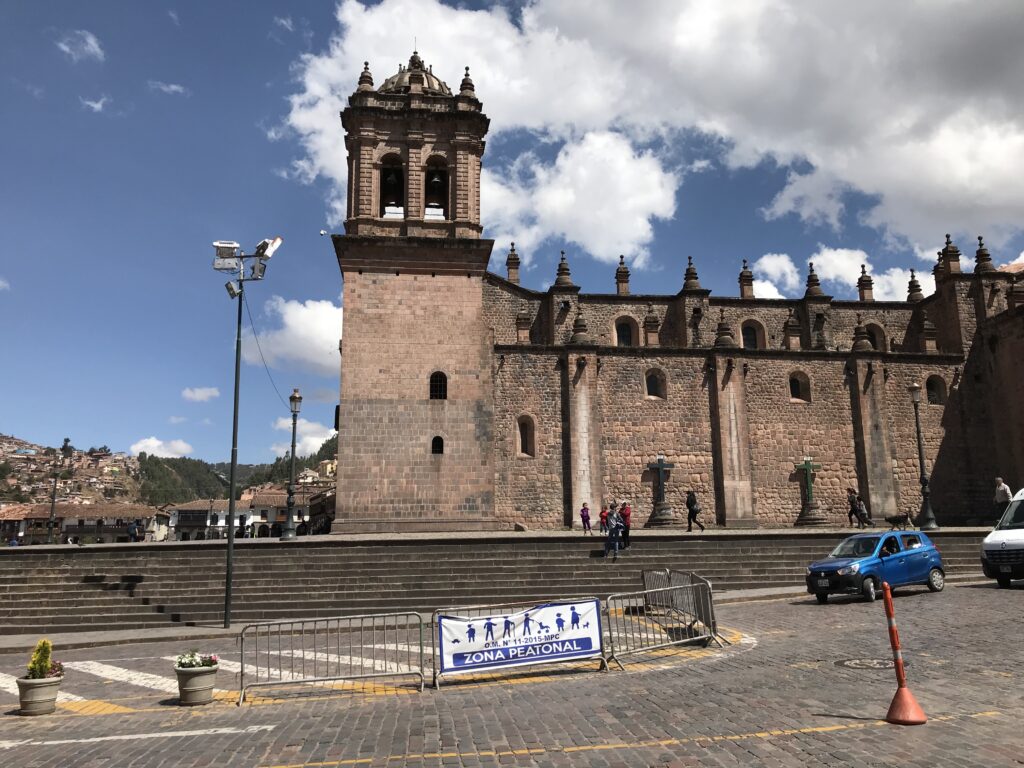
Many travelers assume Machu Picchu is the main altitude problem because it is the most famous mountain destination in Peru. In reality, Cusco is higher than Machu Picchu. This comes as a big surprise to most travelers.
Cusco is where many travelers first notice the altitude. You fly from Lima, which is at sea level, and land in the Andes at more than 11,000 feet. That jump happens quickly, often after an international travel day.
Machu Picchu, by comparison, is lower and warmer. It sits in a cloud forest environment, not at the same elevation as Cusco. The cloud forest is a unique place where the Andes mountains meet the Amazon rainforest. The lower elevation and extra humidity feel amazing after spending your first few hours in Cusco.
This is why some travelers feel worse in Cusco than they do at Machu Picchu.
A common pattern is:
- Arrive in Cusco and feel tired, lightheaded, or winded
- Transfer to the Sacred Valley and feel slightly better
- Visit Machu Picchu and feel more comfortable
- Return to Cusco after a few days and adjust better
This does not mean Machu Picchu has no physical demands. The site includes stairs, uneven stone paths, one-way routes, and walking at elevation. But from an altitude standpoint, Machu Picchu is usually easier than Cusco. Again, this doesn’t mean you won’t feel the elevation in Machu Picchu; it just means that it isn’t as intense as in Cusco.
Peru Elevation Guide: Cusco, Sacred Valley, Machu Picchu, and More
Understanding the elevation levels in Peru helps you plan a better route. We get all sorts of questions about elevation from travelers. They’re worried that the elevation will play a big role in their Peru travel package since it includes various destinations. In a way, the traveler is correct, but there won’t be high altitude in all locations, and the typical profession is itemized below for reference.
Lima Elevation
Lima is at sea level. You do not need to worry about altitude sickness in Lima. Yes, I’ve received questions from travelers asking if they will be ok in Lima. I’m guessing that Peru is connected to high altitude and travelers tend to relate Lima to high altitude. No need to worry though, the Lima portion is just like arriving at any seaside city.
This is one reason many Peru itineraries begin with one or two nights in Lima before flying to Cusco. It gives travelers a softer arrival into Peru after a long international flight. While in Lima travelers take a colonial Lima city tour or they can travel to the south and visit the Ballestas Islands in Paracas.
Cusco Elevation
Cusco is approximately 11,152 ft / 3,399 m above sea level. This will be higher in elevation than most people have ever been to. It can be quite the shock for most travelrs and it is high enough for many to feel symptoms, especially during the first 24 to 48 hours.
Walking uphill, climbing stairs, drinking alcohol, eating heavy meals, or scheduling a full tour immediately after arrival can make the first day feel harder. We have an entire protocol we ask travelers to follow. It is basically:
- Plenty of rest on day one (Do no over do it with activitie)
- Move around a little bit and don’t jus stay in bed. Short walks around the hotel or if you are up to it, around the neighborhood
- Light meals
- No alcohol
Cusco is one of Peru’s most important destinations, but it is often better enjoyed after you have spent a little time adjusting.
Sacred Valley Elevation
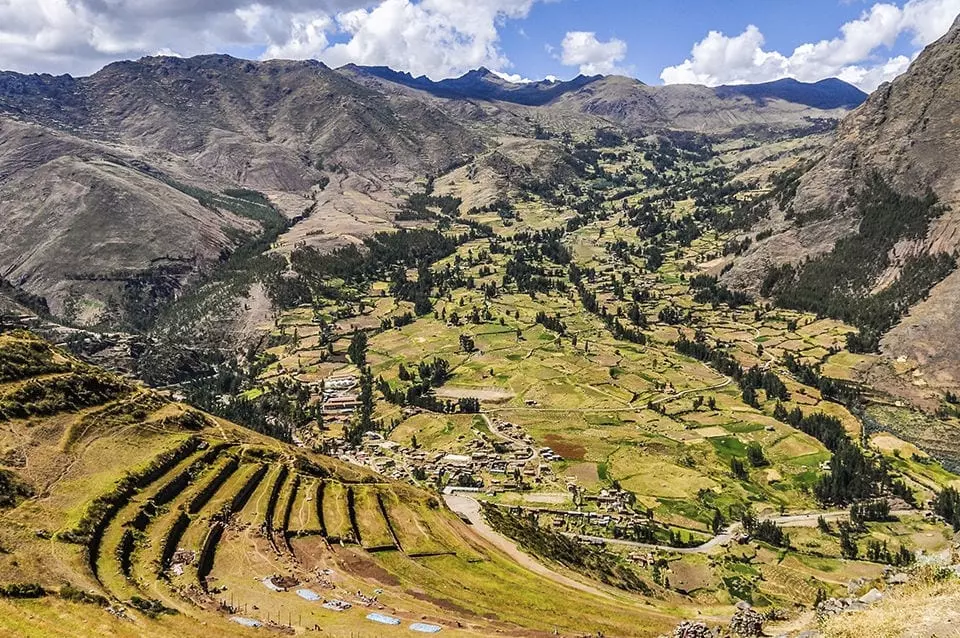
The Sacred Valley is generally lower than Cusco, although exact elevation depends on the town your visiting. In general, travelers will have an easier time adjusting to the elevation here compared to Cusco. The downside is that if you plan to take day tours from the Sacred Valley than they will have to be done in a private setting. If you are looking for a place to start several group tours, then Cusco is the better option.
Common Sacred Valley elevations include:
| Town | Approx. Elevation |
|---|---|
| Pisac | 9,751 ft / 2,972 m |
| Urubamba | 9,420 ft / 2,870 m |
| Ollantaytambo | 9,160 ft / 2,792 m |
This is why the Sacred Valley is often a smart first stop after flying into Cusco. It is still high-altitude travel, but it is usually easier than spending the first night in Cusco.
Machu Picchu Elevation
Machu Picchu is approximately 7,970 ft / 2,430 m above sea level so it is considerably lower in elevation than Cusco and the Sacred Valley. Many travelers are surprised to learn this.
Machu Picchu can still feel tiring because of the walking, stairs, humidity, and early start, but altitude itself is usually less intense there than in Cusco.
I have advice that most Peru specialists fail to mention when heading to Machu Picchu. Make sure to have insect repellent. Depending on the season, there can be a mosquito problem. Machu Picchu is in the cloud forest which isn’t quite the Amazon but it is close enough to have weather that is perfect for mosquitos and other little insects.
Rainbow Mountain Elevation
Rainbow Mountain is much higher than Cusco and Machu Picchu. The main viewpoint is over 16,000 ft / 5,000 m.
This is one of the biggest reasons not to schedule Rainbow Mountain immediately after arriving in Cusco. It is a beautiful day trip, but it is physically demanding and should be planned after you have had time to acclimate. We usually reserve this day hike for travelers who have had more than 3 or 4 days in the region so that they have enough time to acclimate before attempting a Rainbow Mountain day trip.
Lake Titicaca Elevation
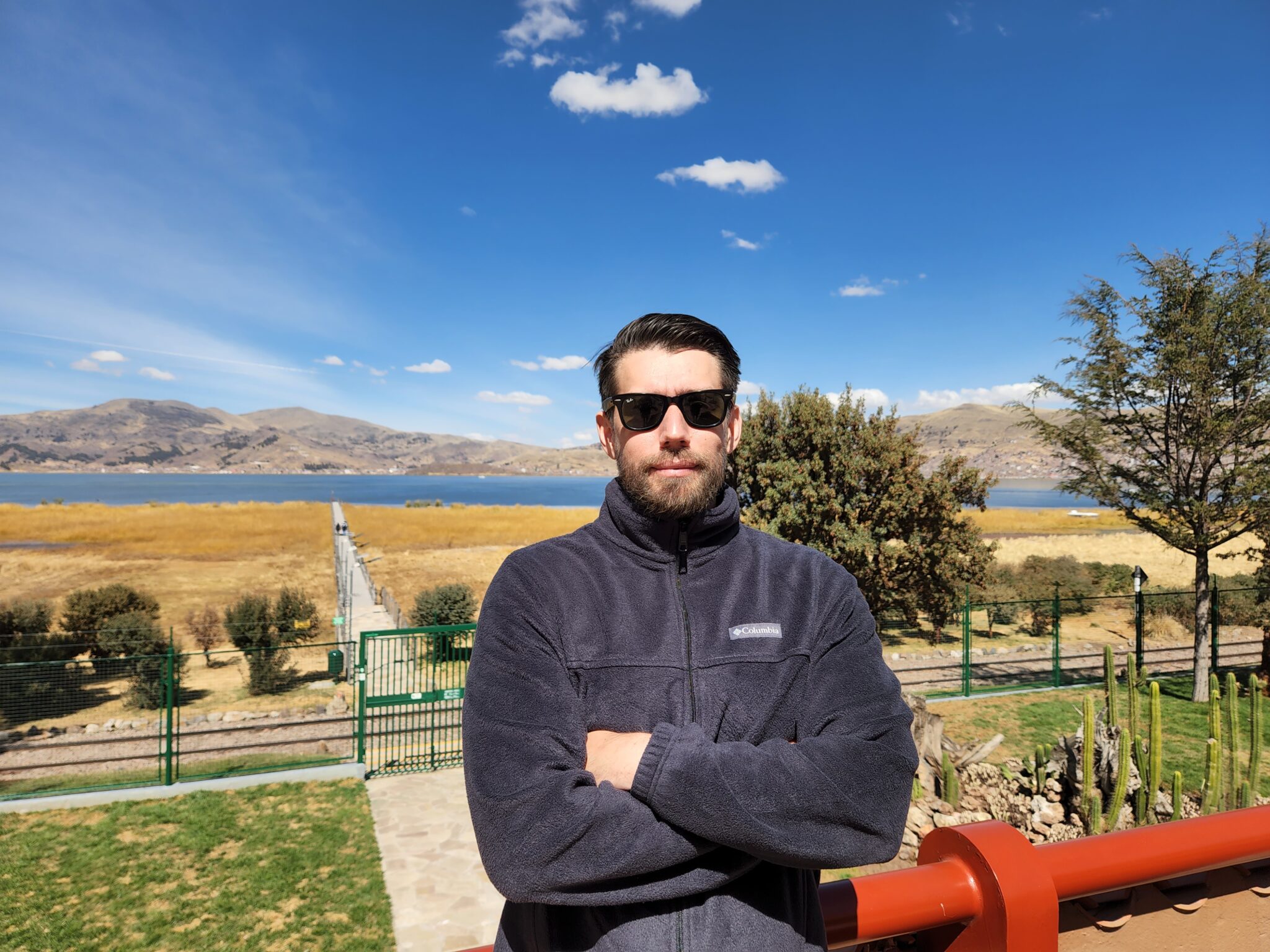
Lake Titicaca and Puno are around 12,500 ft / 3,810 m. This is higher than Cusco, so travelers should not treat it as an easy low-altitude extension. If your itinerary includes Lake Titicaca, the overall route should be paced carefully. Lake Titicaca is usually part of 9 or 10 day itineraries like the one added below:
When I say you should be careful not to overdo it in high elevation, it’s from personal experience. I was visiting a new hotel on the shores of Lake Titicaca, and I decided to take my wife with me. We arrived directly from Lima and immediatedly felt the elevation. I felt better in the evening, and by day two I was fine.
My wife, on the other hand, had a bit of a rough day when we arrived, but by day two she felt “better”. She decided to try one of the hotel’s signature Maracuya sours, which was a mistake. An hour later I was carrying her back to the hotel room because she could not walk.
High elevation tends to exacerbate how we feel certain things; in this case, it was the alcohol in the cocktail. The moral of the story is to not to have alcohol for at least two full days if not more.
What is The Best Peru Itinerary Order to Reduce Altitude Stress
The order of your itinerary matters when it comes to acclimatization. It can mean the difference from an amazing trip to a trip where you need to spend the first couple of days lying down at your hotel and missing out on fun activities.
For many first-time visitors, I recommend this route:
Lima → Cusco Airport → Sacred Valley → Machu Picchu → Cusco → Lima
This route works because it avoids making Cusco your first overnight stop in the Andes when possible. This route works as long as you are willing to spend the first night or two at the valley. It is also the route where travelers have the least amount of issues with the elevation.
Why Sacred Valley Before Cusco Works Well
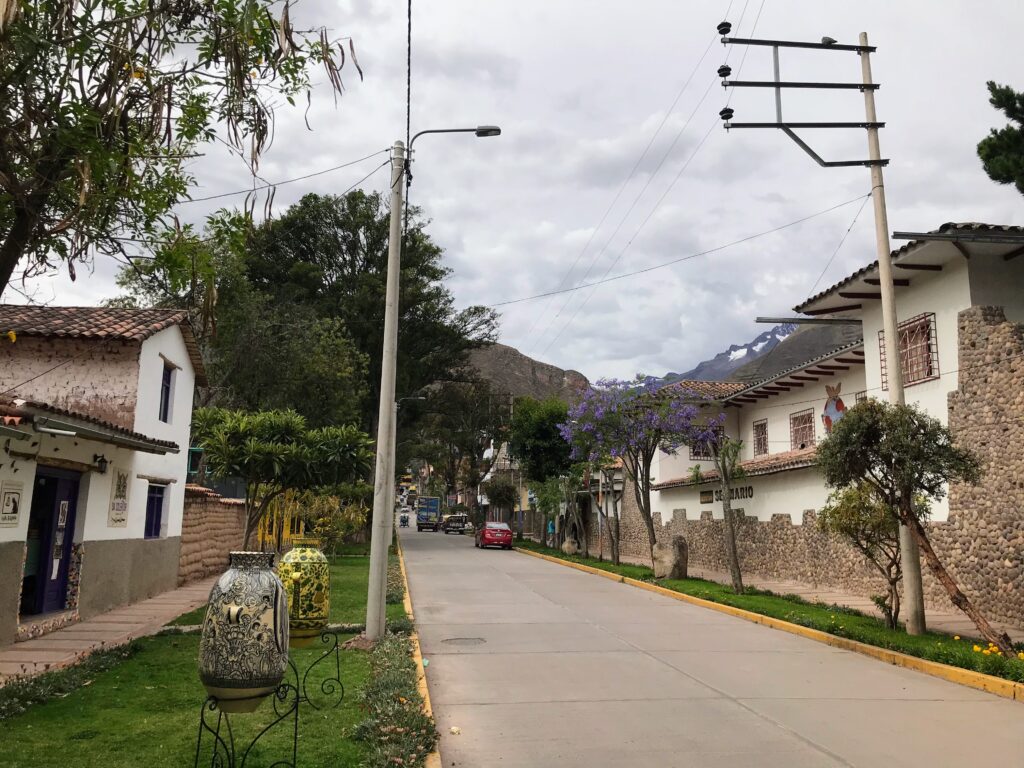
The Sacred Valley is generally lower than Cusco and closer to the train route to Machu Picchu. It also has a calmer atmosphere, scenic hotels, and a more relaxed first-night feel. The views are spectacular, the sounds of the birds chirping while you gaze at the valley over a warm cup of coffee is an unbeatable feeling.
Starting in the Sacred Valley can help because:
- You sleep lower than Cusco.
- You avoid too much walking on arrival day.
- You are closer to Ollantaytambo for the train.
- You can visit Sacred Valley sites before Machu Picchu.
- You return to Cusco after your body has had more time to adjust.
This does not eliminate altitude risk, but it often makes the trip feel smoother.
Why Cusco After Machu Picchu Can Feel Better
Cusco is a wonderful city, but it is hilly and high. If you visit Cusco after the Sacred Valley and Machu Picchu, you may enjoy it more because your body has had more time to adjust. I understand the appeal of wanting to immediately explore the former Inca capital that is now a beautiful city with coffee shops, stores, restaurants, ruins, old colonial buildings, and unique cathedrals. You can do all this after you’ve gone through the valley and Machu Picchu, though.
This is especially useful for:
- first-time visitors
- families
- seniors
- honeymooners
- luxury travelers
- travelers concerned about altitude
- private/custom tours
What to Do on Your First Day at Altitude in Peru
Your first day in the Andes should be simple.
If you fly from Lima to Cusco, do not plan an intense schedule immediately after arrival. Even if you feel fine at the airport, symptoms can appear later in the day or after the first night.
A good first day might include:
- airport pickup
- scenic transfer to the Sacred Valley
- hotel check-in
- light lunch or dinner
- short walk if you feel well
- early night
If you stay in Cusco on the first night, keep the day light:
- avoid a full walking tour immediately after arrival
- do not climb too many stairs
- skip alcohol
- eat light
- rest if you feel tired
- hydrate normally
- avoid intense exercise
The first day is not the day to prove your fitness. It is the day to let your body adjust. I never recommend any activities on day one in Cusco. If a client insists on being active, I usually give a walking route near their hotel that has some churches, ruins, etc. If the traveler is very adamant about being active, the most I’ll propose is an afternoon half-day city tour.
What Not to Do on Arrival Day in Cusco
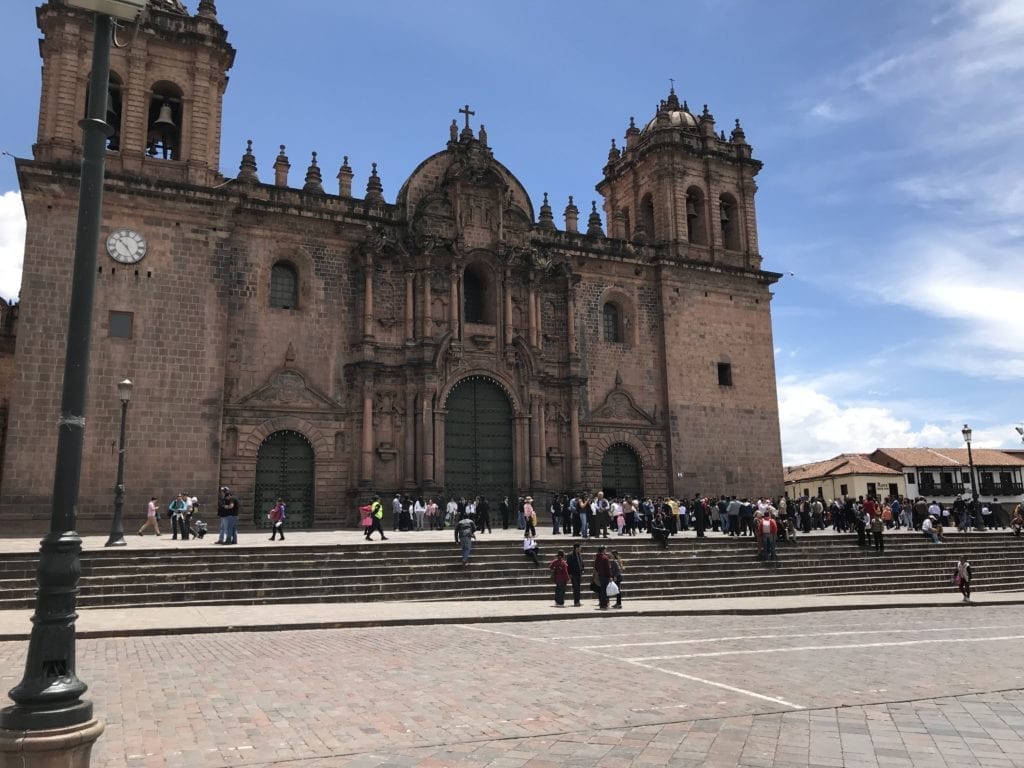
Most of the time, travelers ask what they should do on the first day in Cusco. The real question is what not to do. Many travelers make the same mistake: they arrive in Cusco and try to do too much immediately. At Journey Machu Picchu, we understand that travelers want to get on with their Peru itinerary. It is important to pace your self upon arrival though. Too much, too quickly is a recipe for altitude sickenss.
Here is a list of activities and items to avoid on your first day:
- Rainbow Mountain
- Humantay Lake
- long hikes
- Heavy alcohol – I would say any alcohol just to be clear of any issues
- large heavy meals
- intense walking tours
- rushing through ruins
- sleeping very late after a long travel day
- ignoring symptoms because you want to “push through”
Even if your itinerary is short, it is better to start carefully. Losing one light afternoon is much better than feeling bad for two or three days.
I think I would add regarding meals. Yes, pace yourself with meals and with Peruvian food in particular. Many times, we have travelers arriving in Cusco after going out to eat in Lima (who can blame them?) the previous day. Suddenly, they develop stomach issues and blame the elevation in Cusco, the Sacred Valley, or Machu Picchu.
The altitude is a factor of course, but this tends to be indigestion from eating Peruvian cuisine, which is tasty but is also very heavy on the condiments. Some ingredients might be too much for someone who hasn’t experienced Peruvian gastronomy. So, if you are going to Cusco, make sure your last few meals in Lima are also light. Maybe avoid the Chicharron Sandwich at the Lima airport, no matter how tempting it can be.
How to Help Prevent Altitude Sickness in Peru
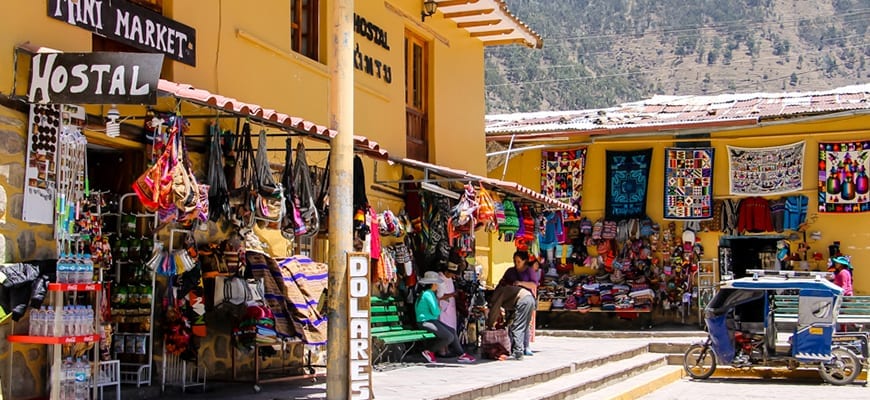
There is no guaranteed way to prevent altitude sickness, but smart planning can lower the risk and make symptoms easier to manage. We’ve gone over some suggestions like light meals, light walks, no alcohol and others. Let’s add some suggestions to help you prevent altitude sickness in Peru.
Ascend gradually when possible
The CDC notes that a gradual ascent is the most effective way to prevent altitude illness, although many travelers have fixed itineraries and limited time. There is no perfect gradual ascend from Lima to Cusco so we try to minimize the time spent in Cusco at the beginning of the trip.
In Peru, gradual ascent can mean:
- spending a night in Lima before flying to Cusco
- transferring to the Sacred Valley after landing in Cusco
- avoiding high-altitude hikes at the beginning
- saving Cusco for after Machu Picchu
- adding rest time before Lake Titicaca or Rainbow Mountain
Keep your first day light
This may be the most practical advice for travelers. Do not schedule a packed sightseeing day immediately after flying into Cusco. We’ve said this several times in this article just to drive the point across.
Drink water normally
Hydration helps, but do not force excessive water. The goal is to avoid dehydration, not to overdrink. That being said, whenever I travel to Cusco or any other high-altitude destination, I am always holding a water bottle.
Eat lighter meals at first
Many travelers do better with soups, simple meals, tea, fruit, rice, chicken, vegetables, or lighter foods on the first day. Save heavier meals and alcohol for later in the trip.I know it can be hard being in a country known for its amazing cuisine and not be able to try them but saving them for later on in the trip will be worth it.
Avoid alcohol at first
Alcohol can make dehydration, poor sleep, and altitude symptoms worse. If you want to enjoy cocktails or wine in Cusco, it is better to wait until you feel adjusted. Your body only really acclimates while you sleep, so doing anything that can make your sleep worse will not be good for acclimatization.
Sleep and rest
Rest is underrated. A slower first day can make the rest of the itinerary much more enjoyable. As I said before, your body only acclimates while you sleep so make sure to bring along something that can help with that.
Consider medication only with medical guidance
Some travelers ask about acetazolamide, commonly known by the brand name Diamox. This is a prescription medication used for altitude illness prevention or treatment in some cases. The CDC includes acetazolamide among medications used to prevent and treat altitude illness, but travelers should discuss it with a clinician because it is not appropriate for everyone.
Do not start prescription medication without medical advice, especially if you have allergies, are pregnant, have kidney issues, take other medications, or have underlying health conditions.
Coca Tea, Oxygen, and Local Remedies in Peru
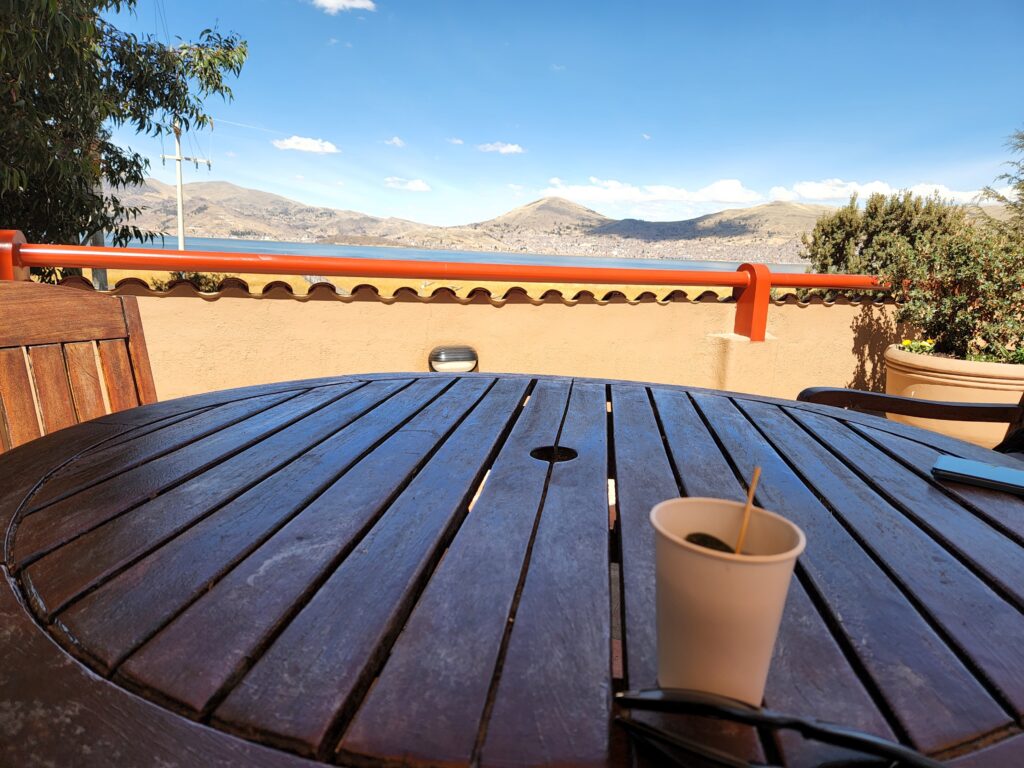
Many hotels in Cusco and the Sacred Valley offer coca tea, and travelers often hear that it helps with altitude.
Coca tea is part of local Andean culture, and many travelers find it comforting. However, it should not be treated as a medical solution for serious altitude sickness. Whenever I am in my Cusco hotel I try to get a cup of coca leaf tea whenever I can. In Cusco you can find coca leafs being sold in every corner. The locals chew on them for energy, it’s their version of an espresso. I prefer the coca tea method, and it works fine.
Some hotels may also have access to oxygen. Oxygen can help relieve symptoms temporarily, but it does not replace a proper medical evaluation if symptoms are severe or worsening. Rarely have I ever seen anyone need oxygen in Cusco.
A practical approach is:
- enjoy coca tea if appropriate for you
- rest and avoid overexertion
- use oxygen only when needed and available
- seek medical help if symptoms are serious or do not improve
- descend to lower elevation when medically necessary
So as a side note. If you are a traveler who may be drug tested for work or competition, be cautious with coca products and ask your employer or physician about possible implications.
Symptoms You Should Not Ignore
Most travelers don’t really get many symptoms other than a headache or feeling tired. Most mild altitude symptoms improve with rest and time, but some symptoms require urgent attention.
Seek medical help immediately if someone has:
- severe headache that does not improve
- confusion
- trouble walking straight
- shortness of breath at rest
- chest tightness
- persistent vomiting
- blue lips or severe weakness
- worsening symptoms despite rest
- cough with breathing difficulty
Serious altitude illness can involve the brain or lungs and can be life-threatening. The safest response to severe or worsening symptoms is medical evaluation and descent when advised. Cleveland Clinic notes that more severe symptoms should not be ignored and that flexible scheduling can help with acclimatization.
The Practical message is simple:
Do not push through serious symptoms.
Should You Visit Machu Picchu If You Feel Altitude Symptoms in Cusco?
It depends on how you feel. If symptoms are mild and improving, many travelers can continue with a carefully paced itinerary. Going from Cusco to Machu Picchu means going to a lower elevation, so some travelers actually feel better once they descend toward the Sacred Valley and Aguas Calientes.
However, if symptoms are severe, worsening, or include warning signs such as confusion, shortness of breath at rest, or repeated vomiting, you should seek medical help and not continue the itinerary until you are evaluated.
From a planning standpoint, this is another reason an overnight route through the Sacred Valley and Aguas Calientes can be better than a rushed Machu Picchu day trip from Cusco.
Is Machu Picchu High Enough to Cause Altitude Sickness?
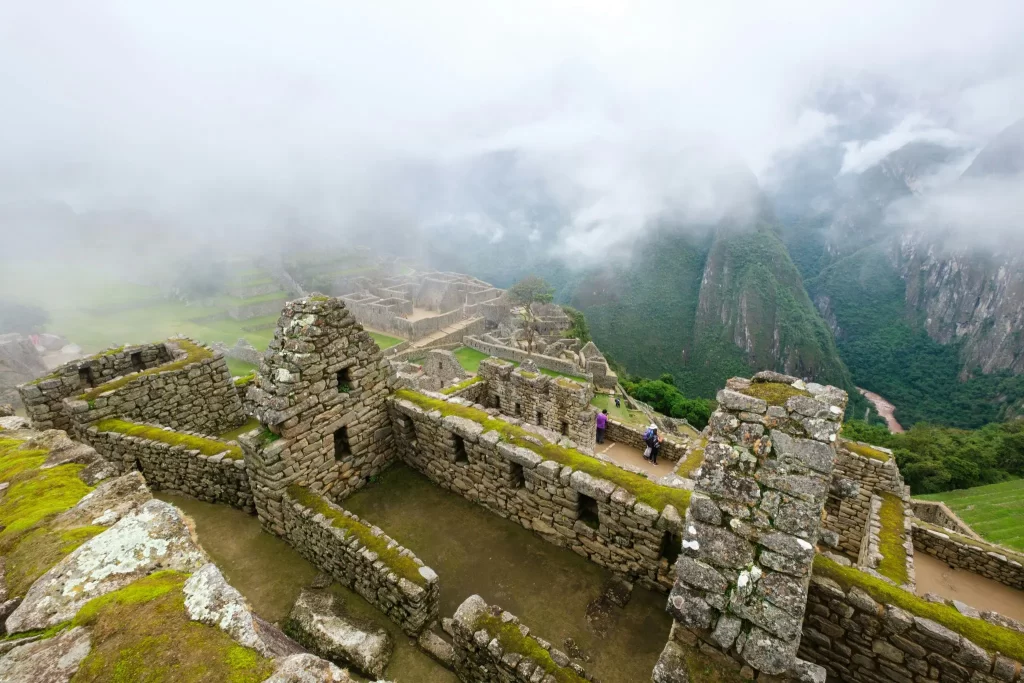
Machu Picchu is high enough that some travelers may feel the elevation, but it is lower than Cusco and usually less of an altitude problem. With all that said, yes, some travelers can feel sick from the altitude in Cusco if they’ve never experienced high elevation before or if they didn’t follow the steps to acclimate. Machu Picchu is at a lower elevation than Cusco and the Sacred Valley, by the time you get there, you’ve already crossed through both of those areas so most people feel better at Machu Picchu.
The bigger challenge at Machu Picchu is often the combination of:
- early wake-up
- travel logistics
- many stairs
- uneven stone paths
- humidity
- sun exposure
- limited shade in some areas
- walking on one-way circuits
This is why even travelers who feel fine at Machu Picchu should pace themselves, bring water, wear comfortable shoes, and avoid rushing. One big issue is being exposed to the sun for so long at such a high elevation. You can dehydrate quickly and get some bad sunburns if you aren’t careful.
Should You Visit Rainbow Mountain Early in the Trip?
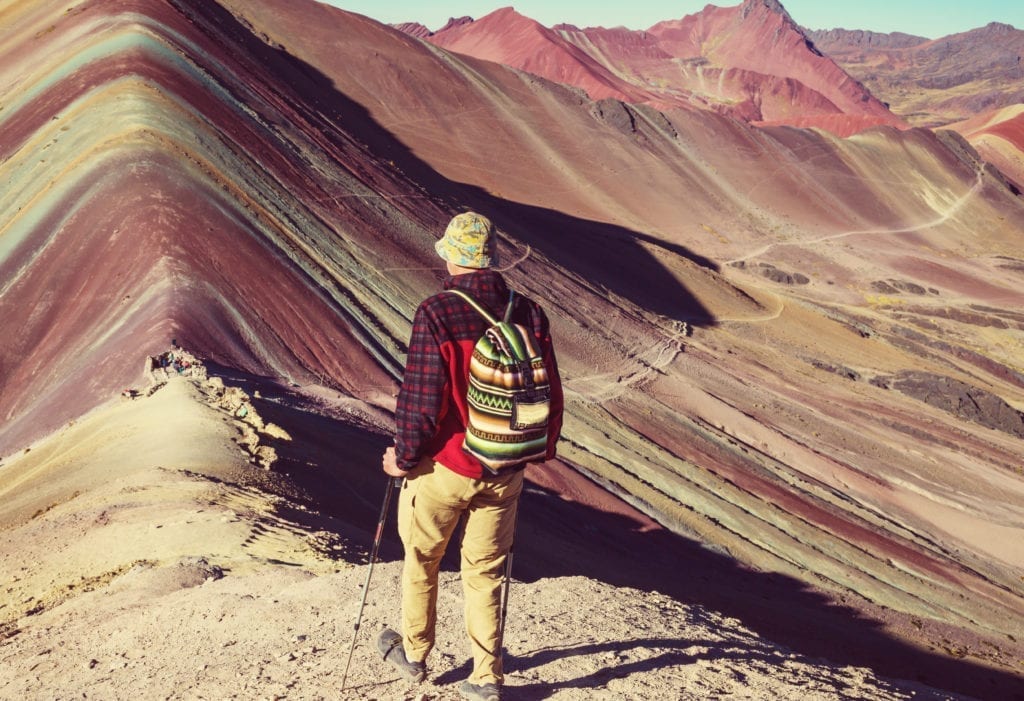
Absolutely not. Rainbow Mountain is one of the highest, most common day trips from Cusco. Because it is over 16,000 feet, it should not be scheduled immediately after arriving from Lima.
I would usually place Rainbow Mountain later in the itinerary, after you have already spent time in the Sacred Valley, Machu Picchu, and Cusco. For me, this is usually a day five in the highlands type of trip.
A better route is:
Lima → Sacred Valley → Machu Picchu → Cusco → Rainbow Mountain if you feel well
This gives you a better chance of enjoying the hike instead of struggling through it.
Rainbow Mountain is beautiful, but it is not the right activity for everyone. Families, seniors, travelers with limited fitness, and anyone who has been feeling altitude symptoms should think carefully before adding it.
Altitude Tips for Families
Families should be especially careful with pacing. Children may not always describe symptoms clearly, and family itineraries can become stressful if the first days are too busy. Children are also not great at pacing themselves so some extra precaution should be taken here.
Family-friendly altitude planning should include:
- Sacred Valley before Cusco when possible
- private transfers
- shorter touring days
- flexible start times
- comfortable hotels
- enough snacks and water
- fewer early mornings
- no high-altitude hikes at the beginning
- a guide who understands family pacing
For families, the goal is not to see everything. The goal is to make the trip enjoyable for everyone.
Altitude Tips for Seniors
Seniors can absolutely enjoy Peru, but the itinerary should be designed carefully. We make sure to be extra careful with our senior travelers to make sure they have enough time to enjoy their trip.
Important considerations include:
- hotel location
- walking distance
- stairs
- private transfers
- slower pacing
- extra rest time
- access to medical support
- avoiding overly long travel days
- avoiding high-altitude hikes early in the trip
For many seniors, the best route is:
Lima → Sacred Valley → Aguas Calientes → Machu Picchu → Cusco
This allows a more gradual and comfortable experience.
Seniors with heart, lung, blood pressure, or mobility concerns should speak with a doctor before traveling to high-altitude destinations.
Altitude Tips for Honeymooners and Luxury Travelers
Honeymoon and luxury itineraries should not feel like rushed experience either. A romantic Peru trip can lose its magic if the first days are overpacked and uncomfortable. For couples, I usually recommend a smooth route with luxury hotels and private transfers.
A good honeymoon or luxury route might include:
Lima → Sacred Valley luxury hotel → Aguas Calientes or Machu Picchu hotel → Cusco boutique hotel → Lima or Amazon extension
This gives the trip better pacing and allows the Sacred Valley to feel like part of the experience, not just a transfer zone.
Private touring is especially helpful because the guide and driver can adapt the day if you feel tired.
Altitude Tips for Trekkers
Trekkers need to take altitude seriously. They are most likely being picked up for their trek early in the morning from Cusco and then heading to even greater elevations. I always suggest extra precaution in this case.
Routes such as the Inca Trail, Salkantay Trek, Lares Trek, Ausangate, and Rainbow Mountain can involve high elevations, steep climbs, and changing weather.
Before trekking:
- spend time acclimating
- avoid heavy drinking before the trek
- sleep well
- eat properly
- choose a route that matches your fitness
- do not ignore symptoms
- tell your guide if you feel unwell
- understand the highest elevation of your route
We always monitor pacing and symptoms, but travelers also need to be honest about how they feel. My first time taking a high altitude hike was the Lares trek to Aguas Calientes and then to Machu Picchu. At that time I was 28, went to the gym 5 days a week, and ran sprints most mornings before heading to the office.
I remember being outpaced by the local children who live in small towns on the trail. I was struggling to hike through a section of the Lares with my hiking shoes, backpack, glasses, hiking pole, etc. while a little girl with flip flops was playing football with her brothers right next to me and watching their Alpacas graze at the same time. It was a humbling experience with nice views of the landscape.
What is an Altitude-Friendly Peru Itinerary I Can Follow
The itinerary that is easiest on the traveler trying to acclimate is the one that gives you time to rest and slowly allows you to ascend in elevation with each location. Here is a simple altitude-conscious route for first-time travelers.
Day 1: Arrive in Lima
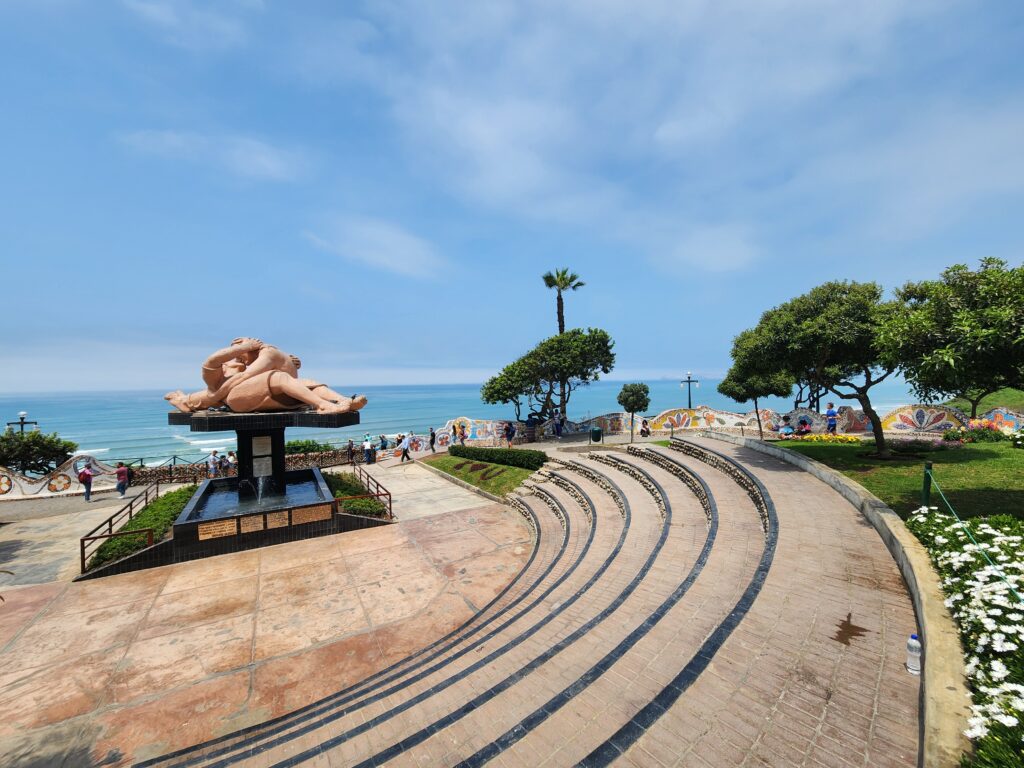
Spend the first night in Lima after your international flight. Check in, walk around Miraflores and try a sandwich at la Lucha restaurant.
Day 2: Explore Lima
Enjoy a light city day, food tour, museum visit, or coastal neighborhoods like Miraflores and Barranco. This is your chance to try a real Peruvian Pisco sour.
Day 3: Fly to Cusco and Transfer to the Sacred Valley
Arrive in Cusco, then continue to the Sacred Valley. Check in at your hotel. Keep the day relaxed.
Day 4: Sacred Valley Tour
Visit Pisac, Ollantaytambo, Maras, Moray, or Chinchero at a comfortable pace on a private sacred valley tour.
Day 5: Train to Aguas Calientes
Take the train toward Machu Picchu and stay overnight in Aguas Calientes.
Day 6: Visit Machu Picchu and Continue to Cusco
Tour Machu Picchu, return by train, and transfer to Cusco.
Day 7: Explore Cusco
Visit Cusco after you have had more time to adjust. If you have more time to spend in Cusco, I suggest booking a Rainbow Mountain tour or a hike to Humantay lagoon.
This route works well because it avoids putting the highest city stay at the very beginning of the trip.
When to Talk to a Doctor Before Traveling to Peru
Some travelers might need to speak with a medical expert before heading to Cusco. Talk to a doctor or travel medicine specialist before traveling to a high altitude if you:
- have heart disease
- have lung disease
- have severe anemia
- are pregnant
- have a history of severe altitude sickness
- have had HAPE or HACE before
- take medications that may affect breathing or hydration
- have serious blood pressure concerns
- are traveling with young children or older adults with medical issues
This does not mean you cannot travel. It means the trip should be planned with better information.
Should You Book a Private Peru Tour If You Are Worried About Altitude?
A private Peru tour can be very helpful if altitude is a concern because the itinerary can be planned around pacing, hotel location, transfers, and activity level. If you need to start the day a little later, that is programmable. Group tours start between 4 and 9 am but with a private version, you can pretty much schedule your day trips as you please.
Private planning can help with:
- starting in the Sacred Valley
- choosing comfortable hotels
- avoiding high-altitude activities too early
- using private transfers instead of long shared pickups
- adding rest time
- adjusting the pace if someone feels unwell
- placing Machu Picchu at the right point in the trip
- deciding whether Rainbow Mountain or Lake Titicaca makes sense
A good itinerary does not just list destinations. It puts them in the right order.
Common Altitude Planning Mistakes in Peru
As usual, we have a list of items that travelers tend to get wrong when planning to visit a high altitue destination. Avoid these common mistakes:
- flying into Cusco and doing a full walking tour immediately
- drinking alcohol on the first night at altitude
- booking Rainbow Mountain the day after arrival
- assuming Machu Picchu is higher than Cusco
- ignoring symptoms because the schedule is fixed
- choosing hotels without considering stairs or location
- planning too many early mornings in a row
- trying to fit Lima, Cusco, Machu Picchu, Rainbow Mountain, and Lake Titicaca into too few days
- skipping the Sacred Valley even when it would improve the route
- not talking to a doctor when you have a relevant medical condition
Most altitude problems in travel planning come from rushing.
Final Advice: Plan the Route, Not Just the Destinations
Altitude sickness in Peru is manageable for most travelers, but the itinerary should be designed carefully.
The biggest point to remember is this: Cusco is usually the main altitude concern, while Machu Picchu is lower in elevation.
For many travelers, the best route is:
Lima → Cusco Airport → Sacred Valley → Machu Picchu → Cusco
This order helps the trip feel smoother, especially for first-time visitors, families, seniors, honeymooners, and travelers who want a more comfortable experience.
Peru is not just about where you go. It is about when you go there, how quickly you move, and whether your body has time to adjust.
If you want hotels, transfers, Machu Picchu tickets, train schedules, private guides, and pacing arranged around a comfortable route, our Peru tour packages can be customized around your travel dates, hotel style, and preferred pace.
Frequently Asked Questions About Altitude Sickness in Peru
Altitude symptoms are common enough that travelers should plan for them, especially in Cusco, Lake Titicaca, Rainbow Mountain, and high-altitude treks. Not everyone gets altitude sickness, and many symptoms are mild, but the itinerary should still be paced carefully.
Yes. Cusco is much higher than Machu Picchu. Cusco is about 11,152 ft / 3,399 m, while Machu Picchu is about 7,970 ft / 2,430 m.
Machu Picchu is at a high altitude, but it is lower than Cusco. Many travelers feel more altitude effects in Cusco than at Machu Picchu.
Yes. Many Sacred Valley towns, including Urubamba and Ollantaytambo, are lower than Cusco. This is why the Sacred Valley is often a good first stop after flying into Cusco.
For many first-time travelers, the Sacred Valley is better first because it is generally lower, calmer, and closer to the train route to Machu Picchu. Cusco can be more enjoyable after you have had time to acclimate.
Many travelers feel better after 1 to 2 days, but everyone responds differently. A route that starts in the Sacred Valley before returning to Cusco can help make the adjustment feel easier.
It is usually not a good idea. Rainbow Mountain is very high and physically demanding. It is better to schedule it later in the trip after you have had time to acclimate.
Common symptoms include headache, nausea, dizziness, fatigue, loss of appetite, shortness of breath with activity, and trouble sleeping. Severe or worsening symptoms require medical attention.
Coca tea is commonly offered in the Andes and many travelers find it comforting, but it should not be considered a guaranteed prevention or treatment for altitude sickness.
Some travelers use acetazolamide, also known as Diamox, for altitude sickness prevention or treatment, but it is a prescription medication and should only be taken after medical guidance.
Rest, avoid going higher, hydrate normally, and monitor your symptoms. Seek medical help if symptoms are severe, worsening, or include confusion, shortness of breath at rest, repeated vomiting, or trouble walking.
Mild symptoms are common and often improve with rest and time, but severe altitude illness can be dangerous. Do not ignore serious or worsening symptoms.