

Last Updated on May 26, 2026 by Michael R. Barthelmess
Getting around Peru takes more planning than many travelers expect. Peru looks simple on a map, but the distances are large, the geography is dramatic, and the best route often depends on mountains, valleys, airports, train stations, altitude, road conditions, and how much time you have. Learning how to get around in Peru can be overwhelming when you think about the logistics of it all.
I get questions all the time like “What’s the best way to get from Lima to Cusco?” or “Where does the train from Lima to Machu Picchu leave?” Answer: That train does not exist.
For most first-time visitors, the best way to get around Peru is by combining domestic flights, trains, private transfers, and guided tours. Flights are usually best for long distances, trains are essential for many Machu Picchu routes, private transfers make the Sacred Valley and Cusco region smoother, and organized tours help connect the logistics in the right order.
Travelers who want to plan it all on their own tend to take longer to reach each destination, sometimes wasting several extra hours or even days. If you are traveling to Peru for the first time and want a simple route, it would be the following:
Lima → Cusco → Sacred Valley → Aguas Calientes → Machu Picchu → Cusco → Lima
That route may sound straightforward, but it usually includes a domestic flight, road transfers, a train, a shuttle bus, timed Machu Picchu tickets, and hotel coordination. If the pieces are not planned correctly, the trip can feel rushed or stressful, or not line up enough to cancel certain legs of the trip.
The goal is not just to move from one place to another. The goal is to build a route that makes sense for your time, comfort level, altitude adjustment, and travel style. A Peru tour package will cover all of this as well as manage accommodations. For travelers who want more details about getting around in Peru, I’ve put together a helpful chart below.
Quick Answer: What Is the Best Way to Get Around Peru?
For most travelers, the best way to get around Peru is:
| Route or Situation | Best Transportation Option |
|---|---|
| Lima to Cusco | Domestic flight |
| Cusco to Sacred Valley | Private transfer or guided tour |
| Sacred Valley to Machu Picchu | Train from Ollantaytambo |
| Aguas Calientes to Machu Picchu | Shuttle bus or uphill walk |
| Cusco to Lake Titicaca | Flight, bus, or scenic train depending on itinerary |
| Lima to Arequipa | Domestic flight |
| Arequipa to Colca Canyon | Private transfer or guided tour |
| Lima to Paracas / Huacachina | Private transfer, bus, or tour |
| Cusco to Amazon | Flight to Puerto Maldonado or flight route to Iquitos |
| Multi-destination Peru trip | Mix of flights, trains, transfers, and tours |
The best transportation plan depends on how many days you have. If you only have 7 to 10 days, flights and private transfers usually save valuable time. If you have 14 days or more, you can include more scenic overland routes without making the trip feel too rushed.
Why Transportation in Peru Requires Careful Planning
Peru has diverse geographies and is a large country, making it necessary to plan out travel arrangements down to the last detail. Peru is one of the most rewarding travel destinations in South America, but it is not always the easiest country to move through quickly. Different regions require different methods of transportation. Remember you are trying to travel through a country that has a coastal desert, vast highlands, and an extensive portion of the Amazon rainforest.
The country includes:
- coastal cities
- desert regions
- high Andean mountains
- deep valleys
- rainforest
- remote archaeological sites
- towns connected by winding mountain roads
- destinations that require timed tickets and train schedules
That geography is part of what makes Peru special, but it also means travelers should avoid planning the trip as if every destination is close together. I always try to look at it like each region is its own country. Looking at it this way helps organize the trip.
A route that looks short on a map can take several hours by road. A flight may save a full travel day. A train may only depart at certain times. A private transfer may make the difference between a relaxed day and a stressful one.
Good Peru planning is not only about choosing destinations. It is about connecting them in the right order.
The Main Ways to Get Around Peru
Most Peru trips use a combination of transportation styles. Depending on the destination, you can pick and choose how you want to travel in some cases, while others have really only one optimal way to get around.
Domestic Flights
Domestic flights are the fastest way to travel between major regions. They are especially useful when connecting Lima with Cusco, Arequipa, Puerto Maldonado, Iquitos, Juliaca, or other regional gateways.
Flights are best for:
- Lima to Cusco
- Lima to Arequipa
- Lima to Puerto Maldonado
- Lima to Iquitos
- Cusco to Lima
- Arequipa to Lima
- longer Peru itineraries with limited time
Flights save time, but they also need to be planned carefully. Peru itineraries often depend on morning flights, connection times, airport transfers, and altitude adjustment after arriving in Cusco.
Trains in Peru
Trains are most important for reaching Machu Picchu. Unless you are taking the classic Inca Trail to Machu Picchu or the bus that drops you off near the hydroelectric plant, you will need to book the train to reach the Inca citadel.
The most common train route is:
Ollantaytambo → Aguas Calientes
Aguas Calientes, also called Machu Picchu Pueblo, is the town below Machu Picchu. Think of it as a tourist hub for everyone going to Machu Picchu. Once you arrive in Aguas Calientes, travelers take a shuttle bus or walk uphill to the archaeological site.
Trains can also be part of scenic routes between Cusco and Lake Titicaca, depending on the itinerary and travel style.
Trains are best for:
- Machu Picchu
- Sacred Valley to Aguas Calientes
- travelers who want a scenic experience
- travelers who prefer comfort over long bus rides
- certain luxury or slow-travel itineraries (Cusco – Lake Titicaca)
Private Transfers
Private transfers are one of the most useful ways to move around Peru, especially in the Cusco and Sacred Valley region.
A private transfer can help with:
- Cusco airport pickup
- Cusco to Sacred Valley
- Sacred Valley hotel to Ollantaytambo train station
- Ollantaytambo to Cusco after Machu Picchu
- Lima airport transfers
- hotel-to-hotel connections
- Colca Canyon routes
- Paracas, Nazca, and Huacachina routes
Private transfers cost more than shared transportation, but they are often worth it for comfort, timing, luggage, family travel, seniors, and travelers who want a smoother route. From my personal experience and years of working in travel, I can safely say that most clients arrive and just want to get to their destination as quickly, safely and comfortably as possible. That is where private transfers fill a role.
Buses
Buses can be useful in Peru, especially for longer overland routes or budget travel. Peru has tourist-class buses on some major routes, and they can be comfortable for travelers with more time.
Buses are best for:
- Lima to Paracas
- Paracas to Huacachina
- Arequipa to Puno
- Cusco to Puno
- budget travelers
- travelers with flexible schedules
However, buses are not always ideal for short vacations. If you only have one or two weeks, long bus rides can take time away from the places you came to see. For example, there is a bus that goes from Lima to Cusco. It is cheaper than taking the plane but the ride is 26 hours long and not a very comfortable experience in my opinion.
Guided Tours
Guided tours are not just about having someone explain the history. In Peru, tours often solve transportation problems.
A good tour can include:
- hotel pickup
- route planning
- entry tickets
- guide service
- private or shared transport
- train station coordination
- timing between destinations
- support if something changes
This is especially helpful for Machu Picchu, Sacred Valley, Rainbow Mountain, Humantay Lake, Colca Canyon, and multi-day Peru tour packages. One great example is a tour called “La Ruta del Sol” or route of the sun. This tour takes you from Cusco to Lake Titicaca while you visit Andean towns and get scenic views of the landscape along the way. The tour visits four major destinations in the way and also gets you to Lake Titicaca to start the next leg of your Peru trip.
Getting From Lima to Cusco

For most travelers, I would say 99.99% of them, the best way to get from Lima to Cusco is by domestic flight.
The overland route between Lima and Cusco is long and not practical for most first-time visitors with limited vacation time. It’s rough, long, and buses aren’t exactly the most comfortable experience. Flying saves a significant amount of time and allows you to focus your trip on the Andes, Machu Picchu, and other major destinations.
The Best option is:
Domestic flight from Lima to Cusco
Best for
- first-time visitors
- 7-day Peru itineraries
- 10-day Peru itineraries
- travelers visiting Machu Picchu
- families
- couples
- seniors
- private/custom tours
Travel specialist tip
Do not schedule a demanding tour immediately after arriving in Cusco. You are going from sea level to high altitude, and many travelers need time to adjust.
Getting From Cusco to the Sacred Valley
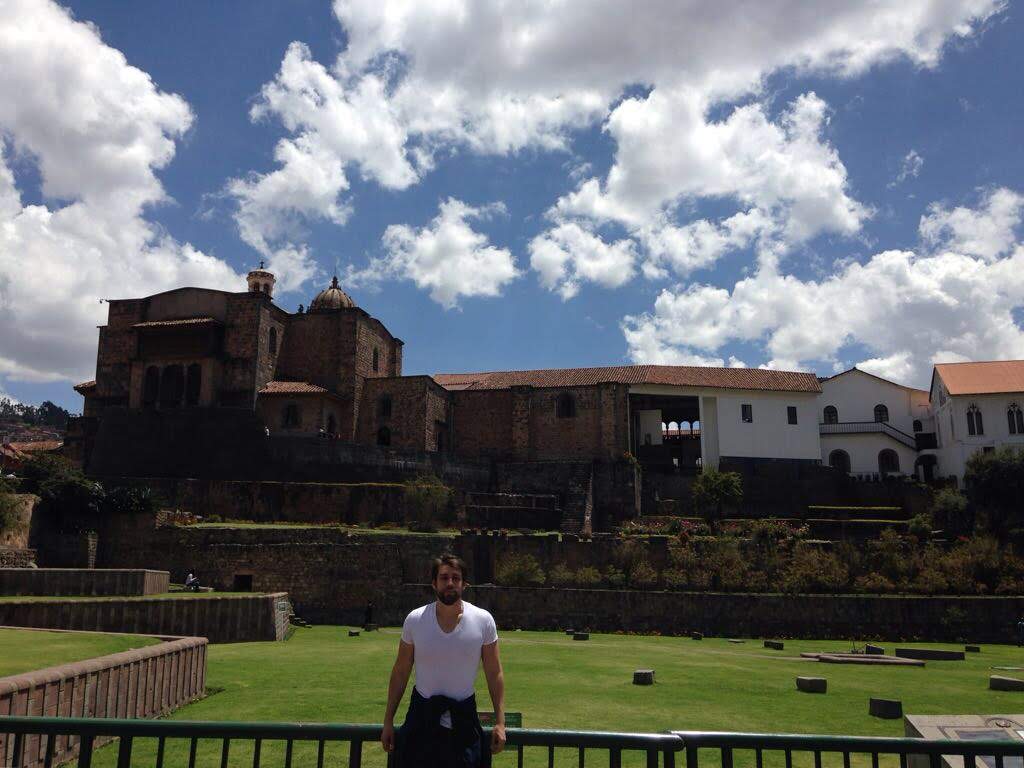
The best way to get from Cusco to the Sacred Valley is by private transfer or by taking a guided tour (Private or shared).
The Sacred Valley includes towns and sites such as:
- Pisac
- Urubamba
- Yucay
- Ollantaytambo
- Chinchero
- Maras
- Moray
A private transfer allows you to travel directly from Cusco Airport or your Cusco hotel to your Sacred Valley hotel. A guided tour allows you to visit key sites along the way.
The Best routes
Common routes include:
Cusco Airport → Pisac → Urubamba
Cusco Airport → Chinchero → Maras → Moray → Urubamba
Cusco → Sacred Valley tour → Ollantaytambo
Sacred Valley hotel → Ollantaytambo train station
Why private transfers work well here
The Sacred Valley is spread out, its not just one small destination. The Sacred Valley covers several towns from Pisac, Urubamba, Chinchero and Ollantaytambo, just to name the most popular ones. Public transportation exists, but it is not ideal for most visitors with luggage, limited time, or a structured itinerary.
Private transfers are especially useful for:
- families
- seniors
- honeymooners
- luxury travelers
- travelers with luggage
- travelers arriving from Lima
- travelers connecting to Machu Picchu trains
I’ve arrived in Cusco in the past and traveled to the Sacred Valley in both private and public transportation. If you are trying to acclimate to the elevation, I don’t recommend taking a bus that has several stops. It’s also a 4-6 hour ride in public transportation, while the private version is 1.5 to 2 hours.
Getting From Cusco or the Sacred Valley to Machu Picchu
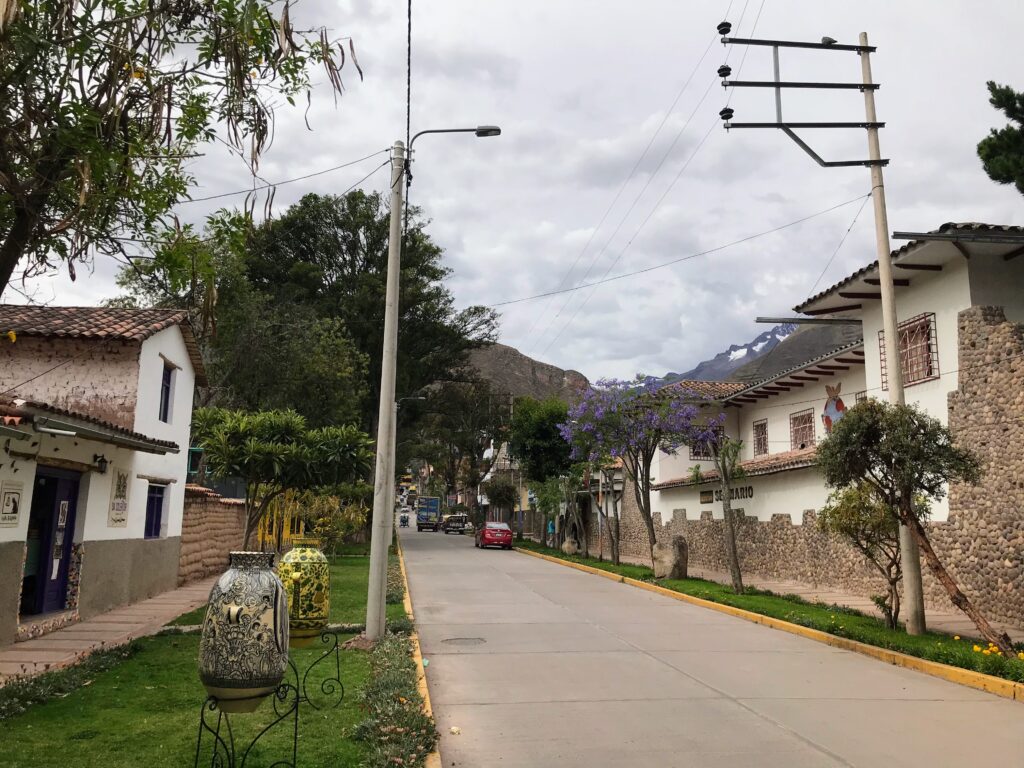
Machu Picchu is the destination where transportation planning matters most. The majority of travelers plan their entire Peru vacation around getting to Machu Picchu, so getting everything right, including transportation, is key in making your Machu Picchu travel experience a great one.
The most common route is:
Cusco or Sacred Valley → Ollantaytambo → Aguas Calientes → Machu Picchu
Travelers usually go by road to Ollantaytambo by private transportation or shared (I recommend private), take the train to Aguas Calientes, then take the bus to the Machu Picchu entrance.
Step 1: Road transfer to Ollantaytambo
If you are staying in Cusco, you need to travel by road to the train station. If you are staying in the Sacred Valley, the transfer is usually shorter. There is also a train that leaves the Poroy station in Cusco, but that can actually take much longer. The best route is still heading to Ollantaytambo by road.
Step 2: Train to Aguas Calientes
The train takes you to Aguas Calientes, the town below Machu Picchu. There are two train lines, and each one has three different levels of railcars. If we take Perurail, the options are the expedition (standard), the Vistadome (superior luxury upgrade), and the Hiram Bingham train (Ultra luxury option). The service is impeccable in all three, that being said, out of the three, the Vistadome is my favorite when it comes price and service.
Step 3: Bus to Machu Picchu
From Aguas Calientes, shuttle buses take travelers up the mountain road to the entrance of Machu Picchu. The ride can take from 20 to 30 minutes, depending on road conditions.
Step 4: Timed entrance and guided visit
Machu Picchu tickets are tied to entry times and official circuits. This means your train schedule, hotel plan, bus timing, guide, and ticket route need to work together. This is where the meticulous planning phase really pays off.
Best planning advice
For most travelers, the smoothest option is:
Sacred Valley → Aguas Calientes overnight → Machu Picchu → Cusco
A same-day trip from Cusco is possible, but it is a long day. Overnighting near Machu Picchu usually creates a better experience. After doing both options more times than I can remember. The two day version will feel like you are getting so much more out of your experience.
Getting From Cusco to Lake Titicaca

Lake Titicaca is usually reached through Puno, located on the high Andean plateau. It is one of the most popukar destination in Peru and is usually on 10-day itineraries. I like to schedule it after Machu Picchu and Cusco.
Common ways to get from Cusco to Lake Titicaca include:
- bus
- private transfer
- scenic train, depending on schedule and travel style
- flight via Juliaca, depending on routing and availability
Best option for most travelers
For comfort and scenery, many travelers choose a tourist-class bus or scenic train-style experience if the itinerary allows. For speed, flight routing may make sense in some itineraries.
Important altitude note
Lake Titicaca is higher than Cusco. Do not assume it is a relaxing low-altitude extension. If your itinerary includes Puno or Lake Titicaca, it should be paced carefully. I tend to like itineraries that take you up in elevation by stages. Ideally: Lima – Arequipa – Cusco – Machu Picchu – Lake Titicaca.
Best for
Lake Titicaca works best in:
- 10-day Peru itineraries
- 12-day Peru itineraries
- 14-day Peru itineraries
- southern Peru routes
- travelers interested in culture and lake communities
For shorter trips, Lake Titicaca may be too much unless you have a specific interest in the region. Include it if you have at least 9 days to spend in Peru. Any less time than that and it probably won’t be the amazing experience it normally is.
Getting From Lima to Paracas, Huacachina, and Nazca
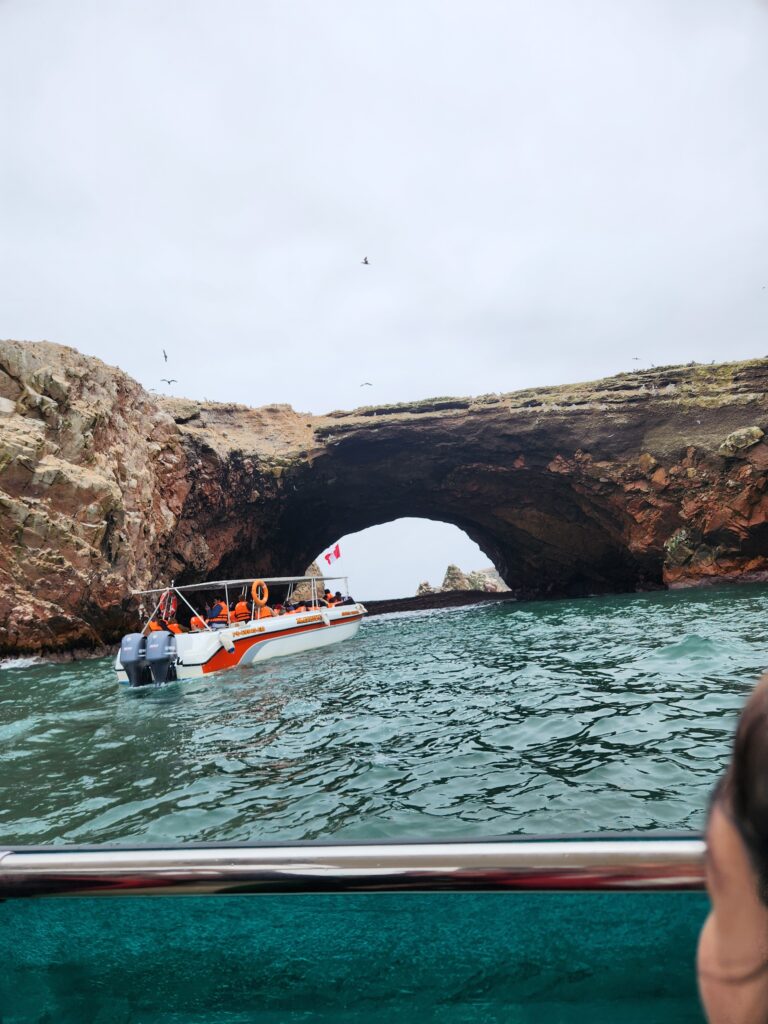
Travelers that wan to extend their trip near Lima will want to visit the Ballestas Islands or Ica. The South of Lima offers:
- Paracas
- Ballestas Islands
- Huacachina
- Nazca Lines
This route is usually done by road and it can take a few days to complete. Again, Peru is a big country and the southern route is usually done in 2-3 days at a comfortable pace.
Best transportation options
- private transfer
- tourist bus
- organized tour
- private driver itinerary
Best route
A common route is:
Lima → Paracas → Huacachina → Nazca → Lima
Some travelers continue toward Arequipa, but that requires more time. If you were heading to Arequipa, you’d need 2-3 more days for activities.
Best for
This route is best for travelers who have more time or who want to include Peru’s coastal desert landscapes.
It can work well in a 10-day or 14-day itinerary, but it may be too much for a short first-time Peru trip focused on Machu Picchu.
Getting From Lima or Cusco to the Amazon
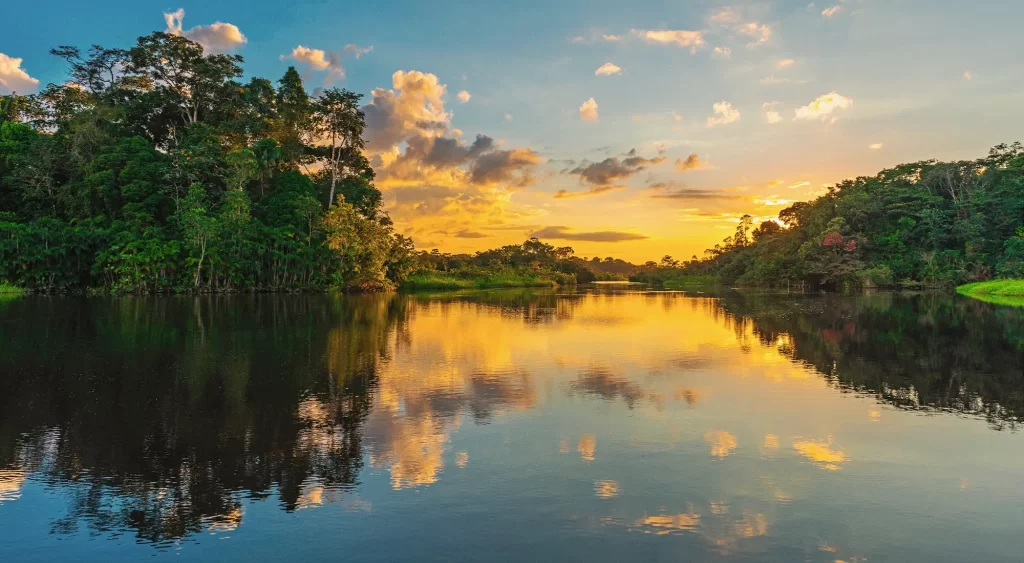
The Peruvian Amazon is usually reached by flight.
The two most common Amazon gateways are:
- Puerto Maldonado
- Iquitos
Puerto Maldonado is commonly combined with Cusco and Machu Picchu because it works well for southern Peru itineraries. Iquitos is farther north and is often used for Amazon river cruises or northern Amazon trips.
Best for first-time Peru itineraries
For many first-time travelers, Puerto Maldonado is the easier Amazon add-on because it combines well with Cusco and Machu Picchu.
Best for river cruises
Iquitos is often better for Amazon river cruise-style itineraries.
Important planning note
Once you reach the Amazon gateway, you usually continue by lodge transfer, road, boat, or a combination of services. These transfers are normally arranged by the lodge or tour operator.
The Amazon should not be treated like a simple city stop. Timing, flights, lodge transfers, and meals all need to be coordinated.
Getting Around Arequipa and Colca Canyon
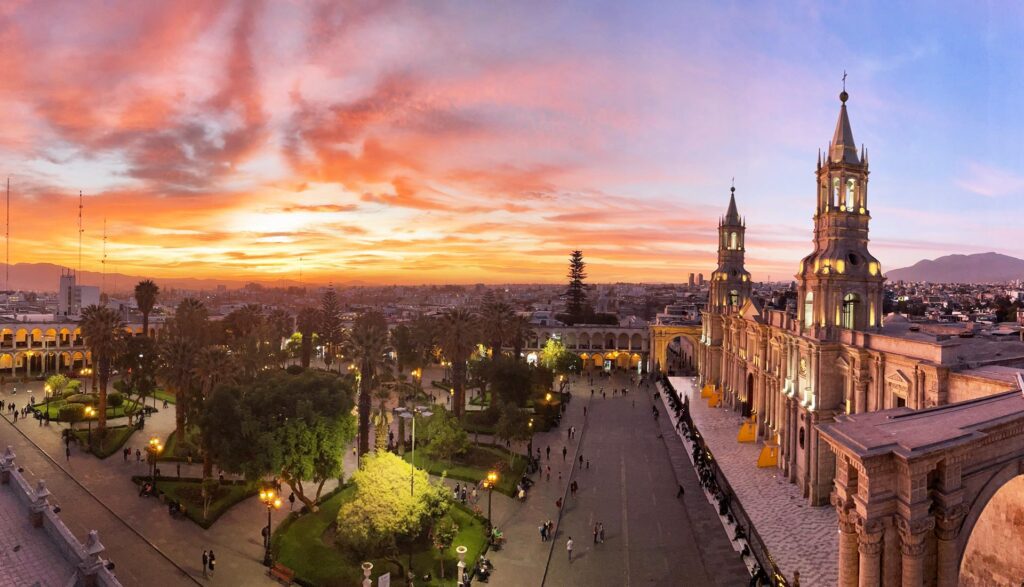
Arequipa is usually reached by flight from Lima or by overland route from other southern Peru destinations. Most travelers want to visit Arequipa to trek the Colca Canyon, hike the Misty volcano, take a city tour, and try the local Arequipa cuisine (It’s some of the best in Peru!)
Best transportation options
- private transfer
- guided Colca Canyon tour
- tourist bus
- multi-day organized route
Best itinerary style
Colca Canyon usually works better as an overnight or multi-day experience rather than a rushed day trip.
A common route is:
Arequipa → Colca Canyon → Puno
This can work well in a longer southern Peru itinerary.
Best for
Arequipa and Colca Canyon are best for:
- 12-day Peru itineraries
- 14-day Peru itineraries
- travelers interested in scenery and condors
- travelers who want more than Lima, Cusco, and Machu Picchu
Should You Use Buses in Peru?
Buses can be useful in Peru, but they are not the best choice for every itinerary. Personally, the only buses you should use are tourist buses, shuttles, guided tour buses and that’s about it. I always recommend agains using commercial buses to get around Lima.
Buses are good if:
- you are on a tighter budget
- you have more time
- you are traveling between coastal destinations
- you are comfortable with longer travel days
- you want to avoid some flights
- the route is scenic and part of the experience
Buses may not be ideal if:
- you only have 7 to 10 days
- you are traveling with young children
- you prefer comfort
- you are concerned about long travel days
- you need reliable timing for flights or trains
- you want a smoother private itinerary
For many travelers booking Peru tour packages, buses are used selectively rather than as the main transportation method.
Should You Use Private Transfers in Peru?
Private transfers are one of the best upgrades you can make in Peru, especially if your trip includes Cusco, the Sacred Valley, Machu Picchu, Arequipa, Colca Canyon, or family travel.
They are not always necessary, but they often make the trip much easier.
Private transfers are worth it for:
- airport pickups
- train station connections
- Sacred Valley hotel transfers
- families
- seniors
- honeymooners
- luxury travelers
- travelers with luggage
- travelers with limited time
- travelers who want flexibility
- early morning or late evening transfers
Why they matter
Private transfers reduce stress. You do not need to negotiate transportation, wait for a group, worry about luggage, or adjust to someone else’s schedule.
This is especially helpful around Machu Picchu, where train times and ticket entries need to line up correctly.
Should You Rent a Car in Peru?
For most first-time visitors, I do not recommend renting a car in Peru. Traffic in Lima can be ridiculous, and local Peruvians have a “unique” way of driving. I have a car in Lima, and I only drive when it is absolutely necessary.
Driving in Peru can be stressful because of:
- unfamiliar roads
- aggressive city traffic
- mountain driving
- limited parking in historic centers
- changing road conditions
- language barriers
- complicated routes
- local driving norms
A rental car is usually unnecessary if your itinerary includes Lima, Cusco, the Sacred Valley, and Machu Picchu.
For most travelers, private transfers and guided tours are easier, safer, and more efficient.
Best Way to Get Around Peru by Trip Length
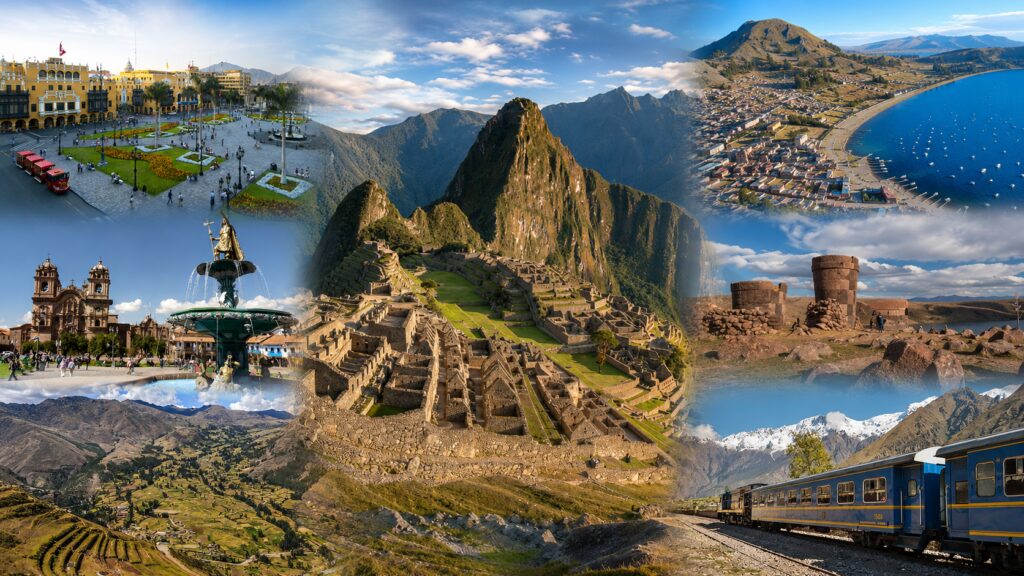
You Have 5 Days
Focus on Lima, Cusco, the Sacred Valley, and Machu Picchu.
Use:
- domestic flight Lima to Cusco
- private transfer to Sacred Valley
- train to Aguas Calientes
- bus to Machu Picchu
- train and transfer back to Cusco
Do not add too many destinations.
If You Have 7 Days
A 7-day Peru itinerary works well with flights, private transfers, and the Machu Picchu train.
Best route:
Lima → Sacred Valley → Machu Picchu → Cusco → Lima
This is a strong first-time route.
If You Have 10 Days
A 10-day Peru itinerary gives you more flexibility.
You can include:
- Lima
- Sacred Valley
- Machu Picchu
- Cusco
- optional Rainbow Mountain, Humantay Lake, or extra Sacred Valley time
Use flights and private transfers to keep the trip efficient.
If You Have 14 Days
A 14-day Peru itinerary allows you to add the Amazon, Lake Titicaca, Arequipa, Colca Canyon, Paracas, or Nazca.
Transportation may include:
- domestic flights
- trains
- private transfers
- tourist buses
- lodge transfers
- guided tours
At this length, route order becomes very important.
Common Transportation Mistakes in Peru
If you want to plan the trip yourself try to avoid these common mistakes:
- assuming Machu Picchu is a short drive from Cusco
- booking flights too close to tours or trains
- choosing Cusco as the first overnight stop when the Sacred Valley would be better
- booking train tickets before confirming Machu Picchu entrance times
- trying to add too many regions to a short trip
- underestimating travel time between mountain towns
- using long buses when a flight would save an entire day
- booking hotels far from practical pickup points
- ignoring altitude when planning transportation
- not allowing buffer time for flights and transfers
- assuming all routes work the same year-round
- treating the Amazon like a simple add-on without lodge transfer planning
Most Peru transportation problems happen when the route is planned in pieces instead of as one complete itinerary. Remember that each destination can have its own transportation limitations.
Final Advice: Choose the Route Before the Transportation
The best way to get around Peru depends on the route you are building.
For most travelers, the right combination is:
- flights for long distances
- trains for Machu Picchu
- private transfers for Cusco and Sacred Valley logistics
- buses for selected routes
- guided tours for complex or high-value experiences
If this is your first trip to Peru, do not try to plan transportation one ticket at a time. Start with the route, then choose the best transportation for each part of the trip.
A well-designed Peru itinerary should feel connected. Lima, Cusco, the Sacred Valley, Machu Picchu, the Amazon, Lake Titicaca, Arequipa, and Colca Canyon can all fit beautifully into a trip, but only when the transportation and pacing make sense.
If you want flights, hotels, train tickets, Machu Picchu entrance, transfers, private guides, and route timing arranged professionally, our Peru tour packages can be customized around your dates, travel style, and preferred pace.
Frequently Asked Questions About Getting Around Peru
The best way to get around Peru is usually a combination of domestic flights, trains, private transfers, buses, and guided tours. Flights are best for long distances, trains are best for Machu Picchu, and private transfers are useful in Cusco and the Sacred Valley.
It is possible to travel around Peru independently, but it requires planning. You need to coordinate flights, trains, transfers, hotel locations, Machu Picchu tickets, guides, and timing. A tour or custom package makes the logistics easier.
For long distances, flights are usually better if you have limited time. Buses can work well for budget travelers or routes such as Lima to Paracas, Cusco to Puno, or Arequipa to Puno, but they can take many hours.
The easiest way to get from Lima to Cusco is by domestic flight. The overland route is long and not practical for most first-time visitors.
Most travelers go from Cusco or the Sacred Valley to Ollantaytambo by road, then take the train to Aguas Calientes. From Aguas Calientes, shuttle buses go up to the Machu Picchu entrance.
Trains go to Aguas Calientes, the town below Machu Picchu, not directly to the ruins. Many travelers board the train in Ollantaytambo, although some services may depart from the Cusco area depending on season and itinerary.
For many first-time visitors, yes. Staying in the Sacred Valley before Machu Picchu can make the route smoother, help with altitude adjustment, and place you closer to the train station in Ollantaytambo.
Private transfers are often worth it in Peru, especially for airport pickups, Sacred Valley travel, train station connections, families, seniors, honeymooners, and travelers with limited time.
Most first-time travelers should plan at least 7 to 10 days for Lima, Cusco, the Sacred Valley, and Machu Picchu. With 14 days, you can add the Amazon, Lake Titicaca, Arequipa, Colca Canyon, Paracas, or Nazca.